Car oil stains on a driveway are one of the most common problems homeowners face. Whether it’s a slow leak, a spill during an oil change, or a vehicle that’s been parked in the same place for months, oil can leave dark, stubborn marks that are difficult to remove.
The good news is that you can remove car oil from a driveway using simple household items, specialised cleaners, and the right techniques. The method you choose depends on the surface type, how old the stain is, and how deep the oil has penetrated.
In this guide, you’ll learn:
- How to remove fresh oil stains
- How to remove old oil stains
- The best products to use
- Methods for concrete, tarmac, and block paving
- What to avoid when cleaning oil stains
- How to prevent oil stains in the future
By the end of this article, you’ll know exactly how to remove oil stains from your driveway safely and effectively.
Why Car Oil Stains Are Difficult to Remove
Before cleaning oil from your driveway, it’s helpful to understand why oil stains are so stubborn.
Car oil is designed to lubricate and protect engine components. This means it’s thick, sticky, and resistant to water. When oil spills onto a driveway, it seeps into the tiny pores in materials like:
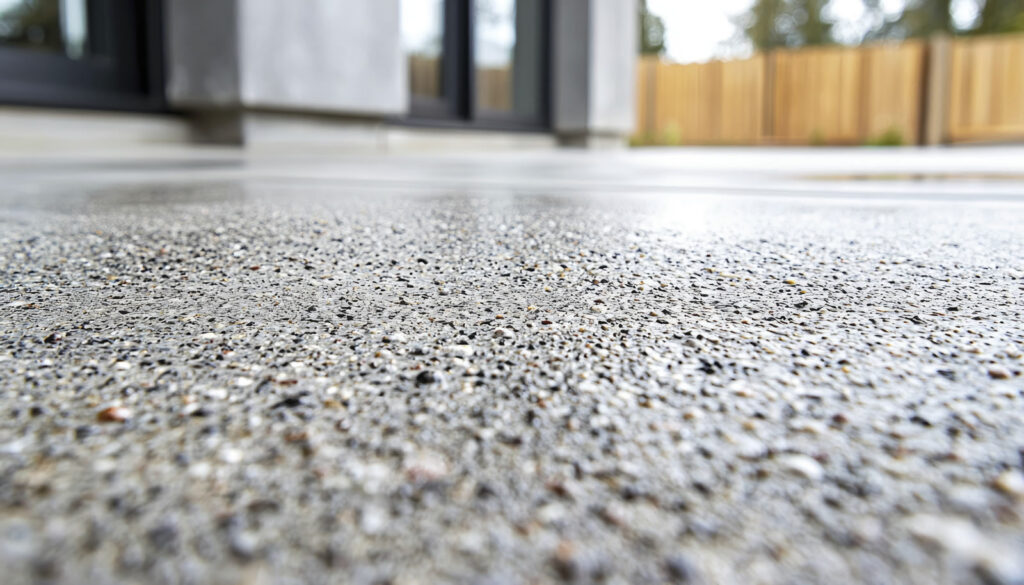
- Concrete
- Tarmac
- Block paving
- Resin driveways
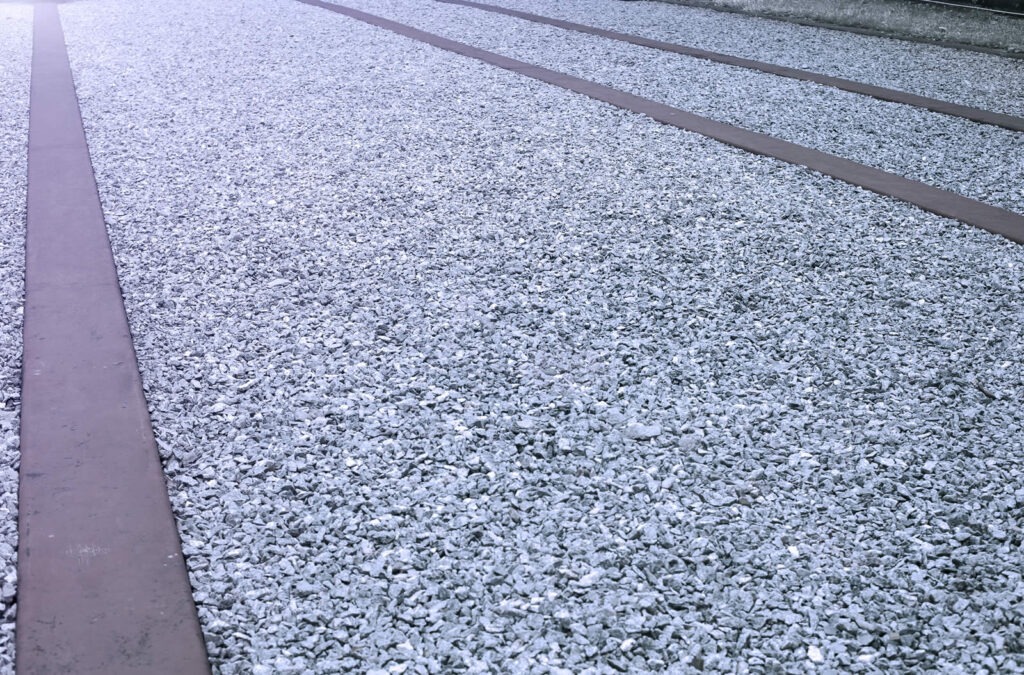
- Gravel surfaces
Once absorbed, the oil binds to the surface and becomes harder to remove over time.
Fresh oil stains are much easier to clean. Older stains require more effort, stronger cleaners, and sometimes multiple treatments.
Step 1: Act Quickly (Fresh Oil Stains)
If you’ve just noticed an oil spill, act immediately. The faster you respond, the easier the stain will be to remove.
Start by soaking up excess oil using absorbent materials such as:
- Cat litter
- Baking soda
- Sawdust
- Sand
- Cornflour
Pour the absorbent material over the stain and leave it for 30 minutes to several hours. This helps draw the oil out of the surface.
Once the oil has been absorbed:
- Sweep away the absorbent material
- Apply washing-up liquid to the stain
- Scrub using a stiff brush
- Rinse with warm water
This simple method often removes fresh oil stains completely.
Step 2: Use Washing-Up Liquid and Hot Water
Washing-up liquid is surprisingly effective at breaking down oil stains. It works by cutting through grease and lifting the oil from the surface.
To use this method:
- Pour washing-up liquid directly onto the stain
- Add hot (not boiling) water
- Scrub using a stiff broom or brush
- Leave for 10–15 minutes
- Rinse thoroughly
Repeat if necessary.
This method works particularly well on:
- Concrete driveways
- Block paving
- Resin driveways
However, older stains may require stronger solutions.
Step 3: Use Baking Soda or Soda Crystals
Baking soda and soda crystals are excellent degreasers and help lift oil from porous surfaces.
To use this method:
- Sprinkle baking soda over the stain
- Add a small amount of water
- Scrub using a stiff brush
- Leave for 30 minutes
- Rinse thoroughly
For tougher stains, mix baking soda with washing-up liquid to create a paste. This helps break down stubborn oil deposits.
Step 4: Use a Pressure Washer
A pressure washer can help remove oil stains after applying a cleaning solution.
However, pressure washing alone usually won’t remove oil stains. It works best when combined with:
- Washing-up liquid
- Degreaser
- Baking soda
- Specialist driveway cleaner
Steps:
- Apply cleaning solution
- Scrub the area
- Leave for 15 minutes
- Pressure wash the surface
Use caution with pressure washers, especially on:
- Block paving (may remove jointing sand)
- Tarmac (can damage surface)
- Resin driveways (avoid excessive pressure)
Step 5: Use a Commercial Oil Stain Remover
If household methods don’t work, specialist oil stain removers are highly effective.
These products are designed specifically for:
- Motor oil
- Engine oil
- Transmission fluid
- Diesel spills
Look for:
- Concrete degreasers
- Driveway oil removers
- Industrial degreasers
Follow the manufacturer’s instructions carefully. Most products require:
- Apply cleaner
- Leave to soak
- Scrub
- Rinse thoroughly
You may need multiple treatments for deep stains.
How to Remove Oil Stains From Concrete Driveways
Concrete is porous, which means oil penetrates deeply.
Best method for concrete:
- Apply absorbent material
- Use degreaser
- Scrub with stiff brush
- Pressure wash
Repeat if necessary.
For old stains, you may need:
- Concrete cleaner
- Industrial degreaser
- Multiple treatments
Sometimes, stains fade gradually over time after cleaning.
How to Remove Oil From Block Paving
Block paving requires extra care because oil can seep between joints.
Steps:
- Apply absorbent material
- Use degreaser
- Scrub carefully
- Pressure wash gently
- Re-sand joints if needed
After cleaning, consider sealing block paving to prevent future stains.
How to Remove Oil From Tarmac Driveways
Tarmac is softer and more sensitive than concrete.
Avoid:
- Strong chemicals
- High pressure washing
- Harsh scrubbing
Instead:
- Apply absorbent material
- Use mild detergent
- Scrub gently
- Rinse with low pressure
For stubborn stains, use a tarmac-safe degreaser.
How to Remove Old Oil Stains From Driveways
Old oil stains require more effort. Try this method:
- Apply degreaser
- Scrub thoroughly
- Leave overnight
- Rinse
- Repeat if necessary
You may need multiple applications for deep stains.
In some cases, stains fade but may not completely disappear.
Natural DIY Oil Stain Removal Methods
If you prefer natural cleaning methods, try:
Coca-Cola
Pour over stain and leave overnight. The acids help break down oil.
Vinegar and Baking Soda
- Sprinkle baking soda
- Add vinegar
- Scrub
- Rinse
Dish Soap and Warm Water
Simple but effective for light stains.
What Not to Do When Removing Oil From Driveways
Avoid these common mistakes:
- Using bleach (can damage surfaces)
- Using petrol or solvents (dangerous and harmful)
- Pressure washing without cleaning solution
- Scrubbing too aggressively on tarmac
- Ignoring fresh spills
These mistakes can worsen stains or damage your driveway.
How to Prevent Oil Stains on Your Driveway
Prevention is easier than cleaning.
Consider:
- Using drip trays
- Parking mats
- Sealing driveway surfaces
- Fixing vehicle leaks
- Cleaning spills immediately
Driveway sealants are particularly useful for:
- Concrete
- Block paving
- Resin surfaces
They create a protective barrier against oil.
When to Call a Professional
Sometimes professional cleaning is the best option, especially for:
- Large oil stains
- Old stains
- Commercial driveways
- Multiple stains
Professional cleaners use:
- Industrial degreasers
- Hot water pressure washing
- Specialist equipment
This can restore your driveway more effectively.
Does Oil Permanently Damage a Driveway?
Oil doesn’t usually permanently damage a driveway, but it can:
- Cause discolouration
- Soften tarmac
- Leave dark patches
Cleaning early prevents long-term damage.
How Long Does It Take to Remove Oil Stains?
This depends on:
- Age of stain
- Surface type
- Cleaning method
Fresh stains may take:
- 30 minutes to 1 hour
Older stains may take:
- Several treatments over days
Best Products for Removing Oil From Driveways
Popular options include:
- Driveway degreasers
- Oil stain removers
- Concrete cleaners
- Industrial degreasers
Choose products suitable for your surface type.
Final Thoughts
Removing car oil from a driveway can seem difficult, but with the right approach, most stains can be significantly reduced or removed completely. Acting quickly, using the right cleaning products, and repeating treatments when necessary are the keys to success.
Whether you’re dealing with a fresh oil spill or a stubborn stain that’s been there for months, the methods in this guide will help restore your driveway and improve its appearance.
Prevention is always best, so consider sealing your driveway and fixing vehicle leaks to avoid future stains.
Need to Calculate Driveway Costs?
If you’re considering replacing your driveway or installing a new surface, it’s helpful to understand the costs involved.
Try our Driveway Cost Calculator to get an instant estimate based on your driveway size and surface type.
It’s quick, easy, and helps you plan your next project with confidence.