
A new driveway is one of the most practical home improvements you can make, but the price can vary far more than many homeowners expect. The final cost depends on the surface you choose, the size of the area, how much preparation is needed and whether drainage or edging work is required.
It is easy to focus only on the surface material, yet that is just one part of the total spend. A driveway that looks straightforward from the outside may still need excavation, sub-base installation, kerb adjustments or planning-related changes before work can begin.
If you are weighing up your options, understanding where the money goes will help you compare quotes properly and avoid costly surprises. It also makes it easier to choose a driveway that suits both your property and your long-term maintenance plans.
Typical driveway costs in the UK
There is no single price for a driveway because every site is different, but most projects fall into clear cost bands. For a typical domestic driveway in the UK, you may pay anywhere from around £1,500 for a simple small gravel area to £10,000 or more for a large, high-spec installation.
The widest swings in price usually come from the surface material and the amount of groundwork required. A driveway laid over an existing sound base will usually cost less than one that needs full excavation and reconstruction.
As a rough guide, these are common starting points for installed driveways:
- Gravel: lower-cost option, often starting from around £30 to £60 per square metre
- Tarmac: mid-range, often around £50 to £100 per square metre
- Concrete: generally around £70 to £120 per square metre
- Block paving: often around £80 to £150 per square metre
- Resin bound: commonly around £90 to £140 per square metre
These figures are only broad estimates, and local labour rates can move them up or down. Larger driveways sometimes benefit from better value per square metre, while awkward access or drainage challenges can push smaller jobs higher than expected.
What affects the price most
The biggest mistake homeowners make is comparing surface prices alone. A driveway is a layered construction, and each layer can affect the final quote significantly.
The most important factors are usually the size of the area, the condition of the ground underneath and the material chosen. Decorative extras also matter, especially if you want edging, lighting or matching features to improve the overall finish.
Driveway size and layout
More area means more material, more labour and usually more preparation. A simple rectangular driveway is cheaper to install than one with curves, multiple access points or tight corners that slow the work down.
Groundworks and excavation
If the existing surface needs to be removed, or if the ground must be dug out to the correct depth, the cost rises quickly. Poor soil, tree roots, old concrete and unstable sub-bases can all add time and expense.
Drainage requirements
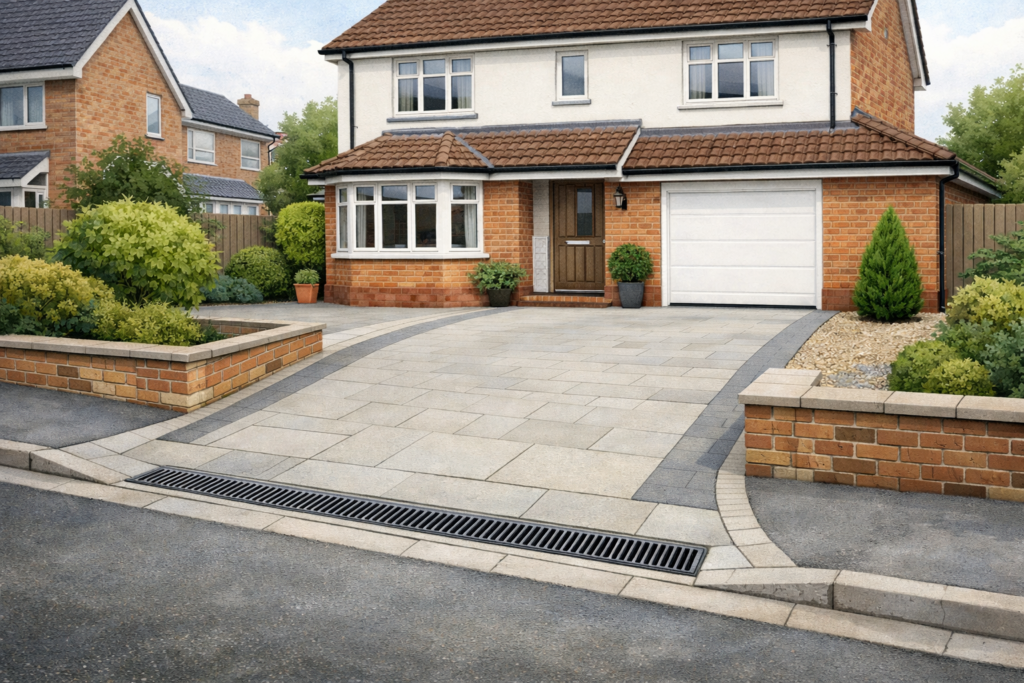
Drainage matters both practically and legally. If rainwater cannot soak away into a permeable surface, you may need channels, soakaways or a permeable system to manage runoff properly.
Access to the site
Restricted access can increase labour costs because materials and machinery are harder to get in and out. Narrow side access, steep gradients or the need for hand excavation all make the job more complex.
Finish and edging
Simple edges are more affordable than decorative kerbs, soldier courses or bespoke borders. The more polished the finish, the more you should expect to pay.
How much different driveway materials cost
Choosing the right surface is one of the most important decisions you will make. The best option is not always the cheapest one, because durability, maintenance and appearance all influence the long-term value.
Gravel driveways
Gravel is often the most budget-friendly choice and can work well for larger areas. It is quick to install, provides good drainage and suits rural or traditional properties, though it can move underfoot and needs occasional topping up.
If you are considering this option, it is worth reading more about gravel driveway suitability before deciding. Gravel is especially useful where you want a natural look and a lower initial spend.
Tarmac driveways
Tarmac offers a neat, practical finish at a sensible price point. It is often chosen for family homes because it is hard-wearing and relatively low maintenance, although the appearance is more functional than decorative.
For a more detailed look at the pros and cons, see tarmac driveway suitability. This surface can be a strong option where you want speed, durability and a tidy appearance.
Concrete driveways
Concrete tends to cost more than tarmac or gravel, but it provides a very robust base and can last for many years if installed properly. It works well for heavy use, though poor installation can lead to cracking if movement is not managed well.
Block paving
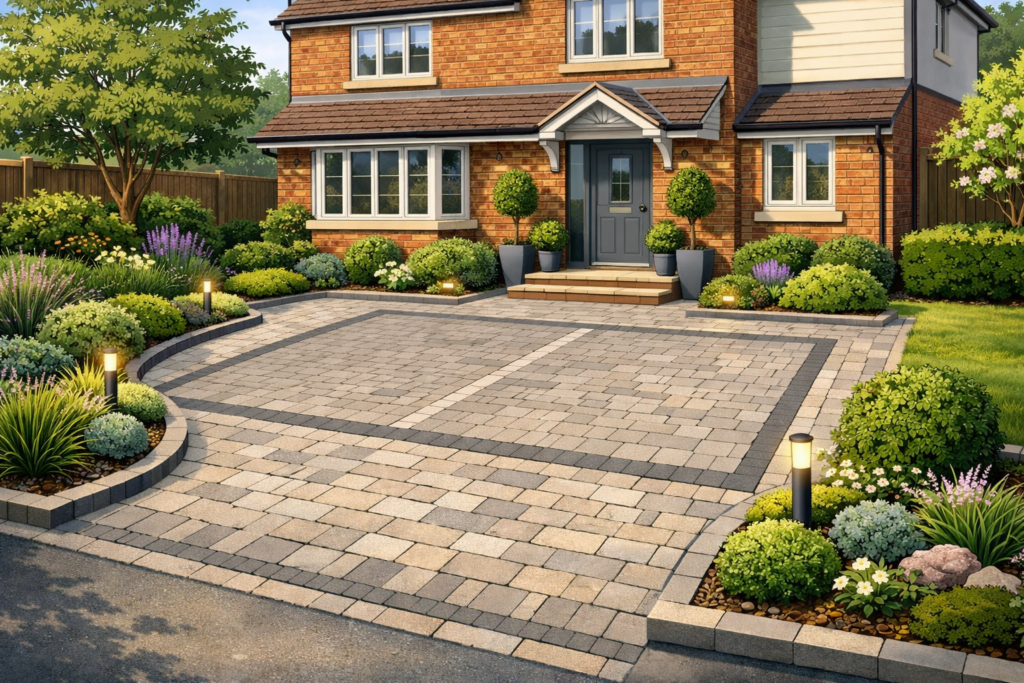
Block paving is one of the more expensive choices because it is labour-intensive, but it offers excellent visual appeal and flexibility. Individual blocks can also be replaced if damaged, which can help with long-term upkeep.
Resin bound driveways
Resin bound surfaces are popular for their smart finish and permeability. They usually sit in the mid-to-high price range because the materials and installation standards need to be right for the surface to perform properly.
Extra costs homeowners often overlook
Many people budget for the surface and then get caught out by the supporting work around it. Those extras can be unavoidable, especially if you want the driveway to last and drain correctly.
Removal of the old surface
If an old driveway, path or slabbed area has to be taken up first, disposal costs may be added. Hard materials such as concrete can be expensive to remove and cart away.
Edging and borders
Edging improves appearance and helps keep the driveway surface in place. It may be a modest addition, but across a wider project it can make a noticeable difference to the overall quote.
Drainage installation
Driveways larger than a certain size or those that slope towards the house often need proper drainage solutions. Fitting channels or soakaways adds cost, but it protects the property and helps the driveway meet modern requirements.
Planning and permissions
Some driveways, particularly in conservation areas or where changes affect access to the road, may need permission or extra checks. It is wise to confirm this early rather than assuming the work can go ahead without issue.
Lighting, gates and finishing touches
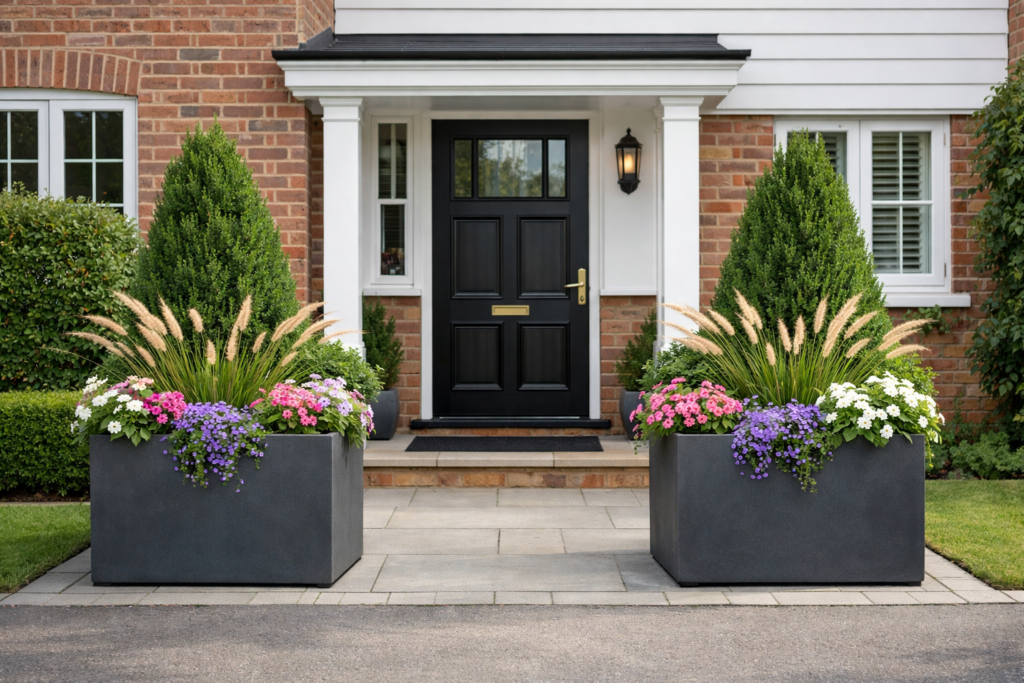
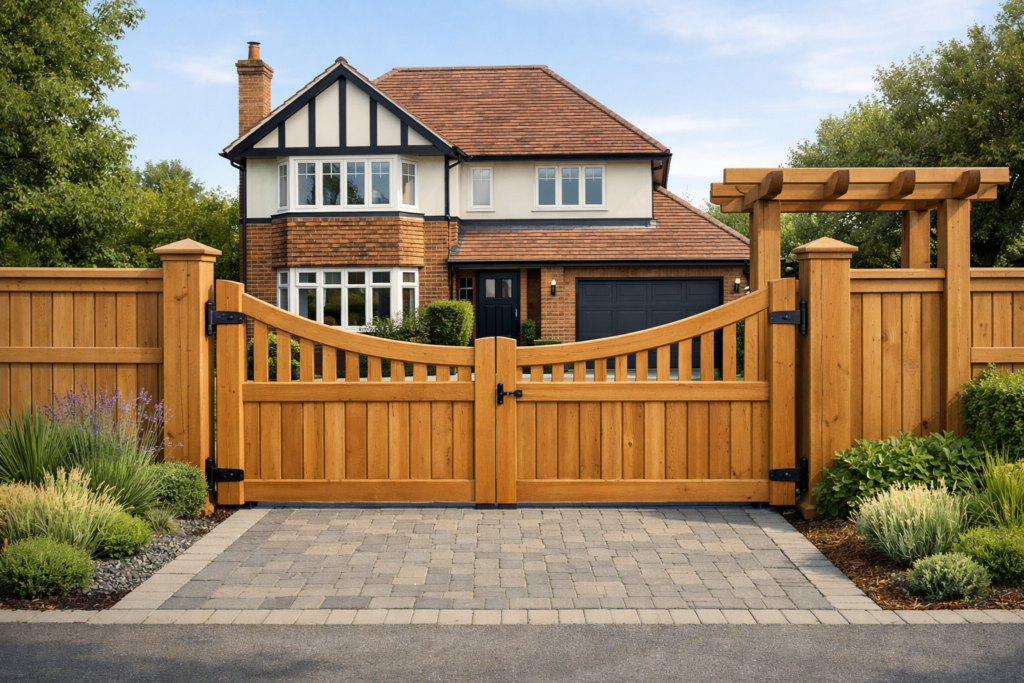
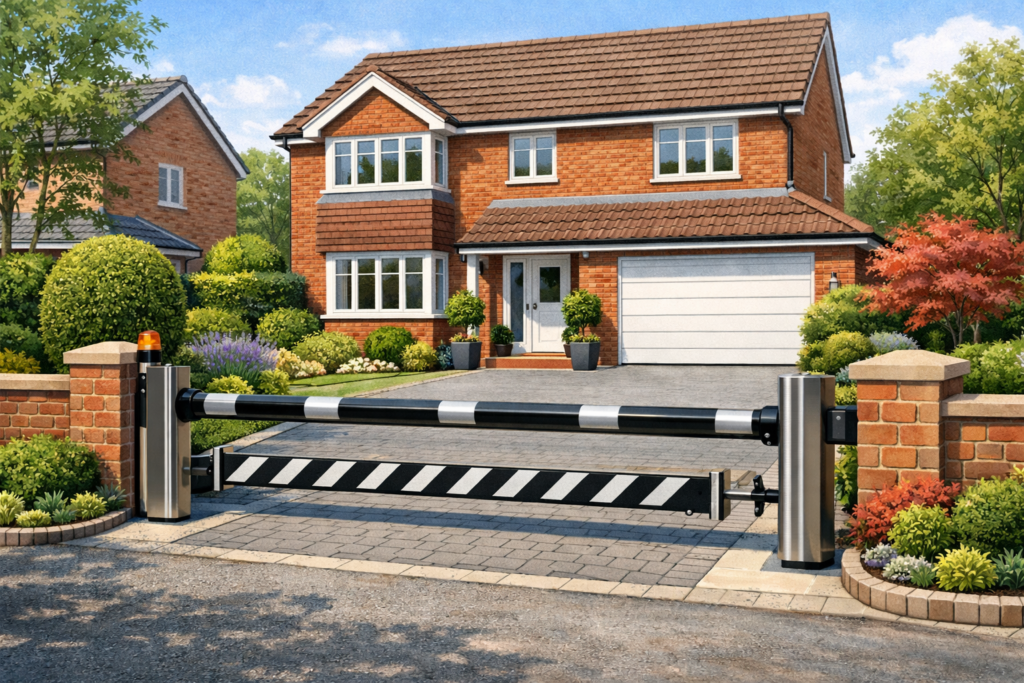
Features such as lighting and driveway gates can transform the entrance, but they also increase the budget. If you are planning extras, it makes sense to include them in the design stage rather than adding them later.
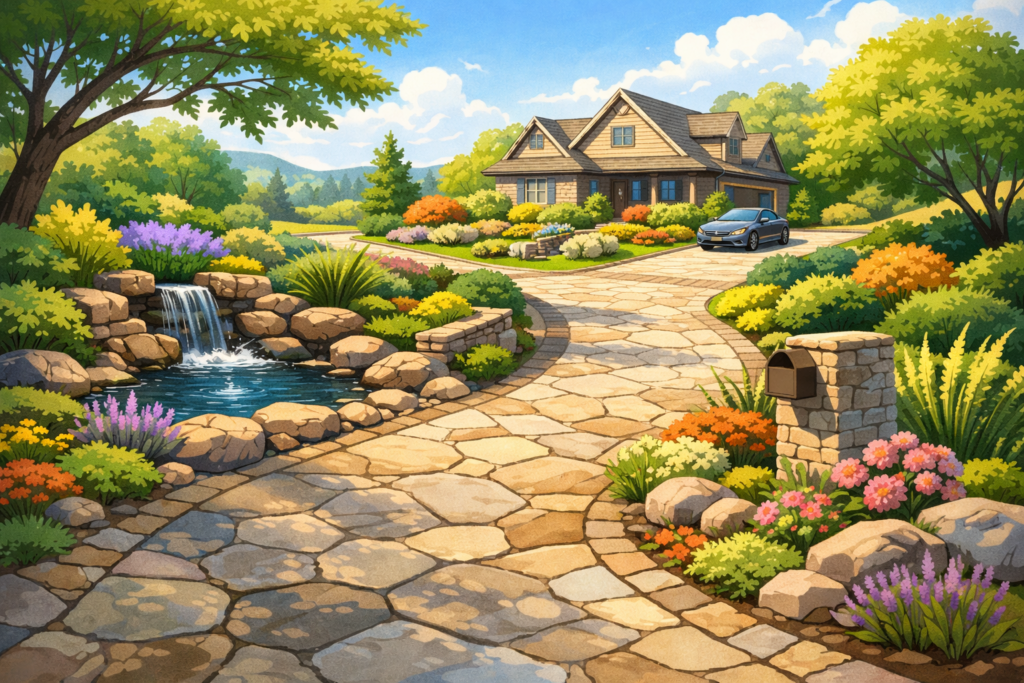
For ideas on improving both practicality and presentation, you may also find driveway ideas for a smarter front garden helpful when planning the wider layout.
Why quotations can differ so much
Two contractors can look at the same driveway and return very different prices. That does not always mean one is overcharging; often they are simply making different assumptions about labour, materials or preparation.
One quote may include excavation, waste removal and drainage, while another only covers the visible surface. Some firms also use different thicknesses of sub-base or material grades, which affects both price and performance.
When comparing quotations, ask exactly what is included and what is excluded. It is the only sensible way to compare like for like.
Look for clarity on:
- Ground preparation and depth of excavation
- Sub-base materials and thickness
- Waste removal and skip charges
- Drainage and edging
- Labour, materials and VAT
- Any guarantees or aftercare
How to get better value for money
Getting a fair price is not just about choosing the cheapest quote. The best value comes from a driveway that suits your home, performs well and does not need constant repair.
One of the smartest ways to save is to choose a surface that fits the intended use. A busy family driveway needs strength and durability, while a smaller decorative entrance may justify a more premium finish.
Be clear about what matters most
If low maintenance is your priority, pay attention to upkeep as well as installation cost. If appearance matters most, it may be worth spending more on block paving or resin rather than choosing a cheaper surface that does not suit the house.
Keep the design sensible
Simpler shapes cost less to install and usually look cleaner. Avoid unnecessary curves, complicated edging or features that add labour without improving everyday use.
Ask about long-term costs
A low initial price can be misleading if the surface needs frequent replenishing or repairs. Gravel, for example, may be cheaper to install than block paving, but it can need more ongoing attention.
Choose the right contractor
Reliable workmanship matters just as much as the material itself. A well-installed mid-range driveway will usually outperform an expensive surface that has been rushed or poorly prepared.
Planning for maintenance and lifespan
Driveway cost should always be looked at over the full life of the surface, not just on installation day. Some materials are cheaper to put in but more expensive to maintain, while others cost more upfront and save money later.
Gravel usually needs topping up and raking, but it is easy to refresh. Tarmac can last well with the right care, though it may need occasional sealing or patching, while resin bound and block paving need proper cleaning to stay looking their best.
If you want to protect the surface you choose, regular cleaning matters too. Guidance such as looking after driveway cleaner safely can help you avoid damage while keeping the finish tidy.
Think about lifespan as part of the budget
A driveway that lasts longer can offer better value even if the initial invoice is higher. The key is to match the material to your property, usage and willingness to maintain it.
Signs you may need more than a simple replacement
Sometimes homeowners start with the idea of resurfacing, only to discover the base is failing. If the driveway has persistent sinking, pooling water or major cracking, a full rebuild may be more cost-effective than patching it.
Likewise, if your front garden layout is awkward, improving access or rethinking the whole entrance could add much more value than a straightforward like-for-like replacement. That is especially true where parking space, visibility and drainage all need improvement at the same time.
If security or privacy is part of your plan, you may also want to consider related upgrades. A well-chosen entrance can be strengthened further with features discussed in driveway gates buying advice or by adding practical lighting for safer access after dark.
What We Get Asked…
How much does a basic driveway cost in the UK?
A basic driveway can start from around £1,500 for a small gravel installation, though most projects cost more once groundwork and drainage are included.
What is the cheapest driveway material?
Gravel is usually the cheapest option to install, especially for larger areas, but it may require more maintenance over time.
What is the most expensive driveway type?
High-end block paving and premium resin bound driveways often sit at the top of the price range because they are more labour-intensive and require careful installation.
Do I need planning permission for a new driveway?
Not always, but drainage, surface type and local rules can affect whether permission or additional checks are needed. It is best to confirm before work starts.
How can I keep driveway costs down?
Keep the design simple, compare detailed quotes and choose a surface that suits the property without unnecessary extras.
Our Final Thoughts
The cost of a driveway in the UK depends on much more than the surface you see from the road. Groundworks, drainage, access and finish all play a part, which is why detailed quotations are so important.
If you want the best result, think about how the driveway will be used, how much maintenance you are prepared to do and how long you expect it to last. That approach will help you avoid false economy and choose a surface that adds real value to your home.
If you are planning a driveway project, start by comparing materials, checking the condition of the base and getting a clear breakdown of costs from a reputable installer. A well-planned driveway should improve everyday convenience, support kerb appeal and stand up to years of use.