
A gravel driveway has a certain appeal that is hard to ignore. It can suit country cottages, suburban homes and larger plots alike, while offering a relaxed appearance that feels less formal than many hard surfaces.
That said, gravel is not the best answer for every property. Before you commit, it helps to think about how your driveway is used, how much maintenance you are comfortable with and whether the look will complement the rest of your home.
The right driveway should do more than improve kerb appeal. It needs to handle vehicle access, drainage, everyday wear and the practical realities of your household without creating more work than it solves.
Why gravel remains such a popular driveway choice
Gravel has stayed popular for good reason. It is often more affordable than many alternative driveway surfaces, and it can be installed relatively quickly when the ground is properly prepared.
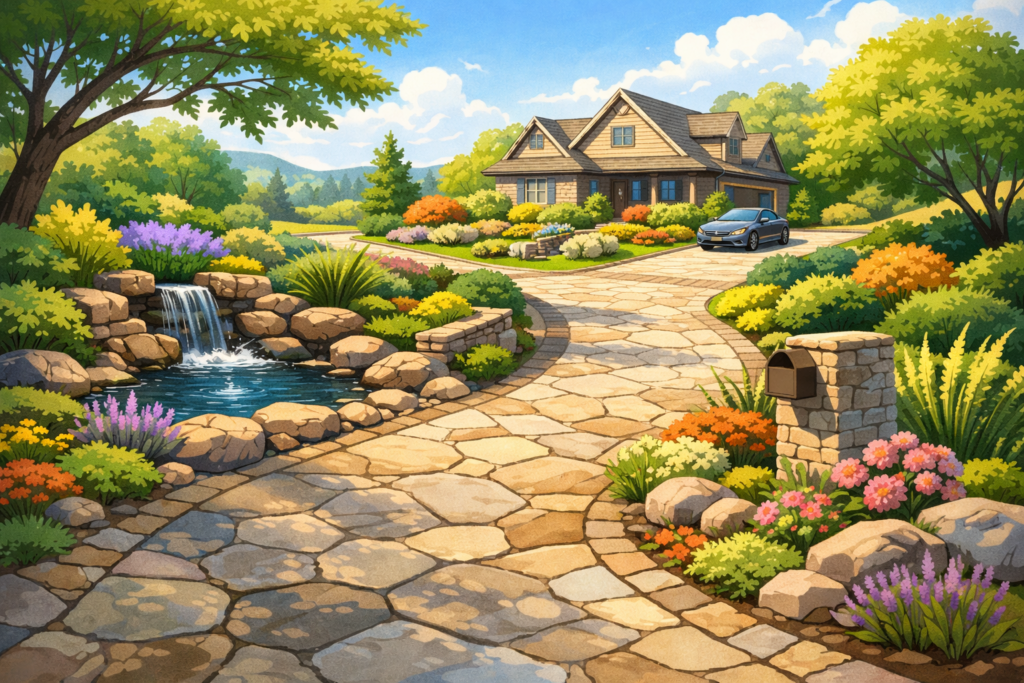
It also gives a softer, more natural appearance than concrete or block paving. That makes it particularly effective for homes with period features, garden landscaping or rural surroundings.
For many homeowners, gravel is appealing because it offers a balance of cost, character and drainage performance. If you are comparing surfacing options, it is worth looking at how it measures up against other materials such as a tarmac driveway or a resin driveway.
The main benefits of a gravel driveway
Gravel can work beautifully when the property, layout and expectations all line up. Its advantages go beyond appearance, especially where drainage and budget are important.
Cost-effectiveness
One of gravel’s biggest strengths is affordability. The materials themselves are usually less expensive than many other driveway finishes, and installation can be simpler if the site is already suitable.
That does not mean every gravel driveway is cheap, though. Proper edging, a stable sub-base and weed control measures all add to the total cost, but they usually improve long-term performance.
Good drainage performance
Gravel is a naturally permeable surface, which means water can pass through it rather than pooling on top. This can be a major advantage on properties that need to reduce surface water runoff.
In the UK, drainage matters more than ever, especially where driveways are being replaced or enlarged. A well-designed gravel driveway can help you avoid the visual bulk and water management issues that sometimes come with sealed surfaces.
A softer, more traditional look
Gravel can create a welcoming entrance without looking too rigid or modern. It is particularly well suited to rural homes, older properties and front gardens that aim for a more natural finish.
Colour choice also gives you some flexibility. Buff, grey and mixed stone blends can either blend into planting schemes or provide contrast against brick, render and stone.
Relatively straightforward repairs
If part of the surface sinks, spreads or becomes uneven, repairs are usually manageable. In many cases, it is possible to top up, rake out and re-level areas without replacing the entire driveway.
That can make gravel a practical option for homeowners who prefer maintainable materials rather than surfaces that need specialist resurfacing.
Where gravel can fall short
Despite its strengths, gravel is not a perfect surface. Some of its biggest drawbacks are related to movement, noise and upkeep.
It can shift under tyres
Gravel is not fixed in place, so it naturally moves when vehicles turn, brake or reverse. Over time, this can create ruts, bare patches and uneven areas, particularly if the driveway sees frequent use.
Homes with multiple cars, larger vehicles or busy access routes may find this frustrating. A gravel surface can still work, but it usually needs better preparation and more regular maintenance.
It is noisier than solid surfaces
The crunch of tyres on gravel is part of its charm for some people, but others find it intrusive. This is worth considering if your driveway is close to bedrooms, neighbouring homes or a home office.
If privacy and quiet access are priorities, it may be sensible to compare gravel with more contained finishes, especially if you are also considering driveway gates for privacy and security.
It requires ongoing care
Gravel driveways are not high-maintenance in a complicated way, but they do need attention. Stone may need raking back into place, weeds can appear at the edges and debris can gather in low spots.
If you want a truly low-intervention surface, gravel may not suit you as well as a bound finish. A more structured driveway design can also be explored through driveway paving options if you prefer a tidier, more fixed result.
Which homes suit gravel best?
The right driveway surface depends heavily on the property itself. Gravel tends to perform best where the setting allows it to feel deliberate rather than improvised.
Rural and semi-rural homes
Gravel often looks most natural in countryside settings. It complements hedgerows, lawns, mature planting and larger front plots where the driveway is part of a wider landscape.
These homes also tend to tolerate the informal character of gravel better than compact urban plots, where a sharper, cleaner finish may suit the architecture more closely.
Properties with generous frontages
A larger entrance area allows gravel to look intentional. It also reduces the sense of wear that can appear when every tyre mark is close to the house.
More space can make it easier to include proper edging, turning areas and parking bays, all of which help the driveway work better day to day.
Homes that benefit from permeability
If drainage is a concern, gravel can be an excellent choice. This is especially useful where the plot has heavy soil, limited fall or a need to minimise standing water.
That said, drainage still depends on the layers beneath the surface. Simply pouring gravel onto bare ground is rarely enough, and poor base preparation can quickly undo the benefits.
When gravel may not be the best option
Some properties are simply better suited to another material. It is better to be honest about the limitations than to choose a surface that creates daily irritation.
Busy family driveways
If the driveway is used repeatedly throughout the day, gravel can become messy quite quickly. Car movement may displace the stones, while children, bicycles and pushchairs can make the surface less convenient.
Families often prefer surfaces that stay put under pressure, especially where the driveway doubles as a play area or a route to the front door.
Steep slopes or awkward gradients
Gravel can migrate on slopes, particularly if the driveway is long or vehicles need to turn uphill. This can lead to stone collecting in one area and thinning out in another.
Edging, stabilising layers and careful grading can help, but very steep driveways often suit a more fixed surface better.
Homes that need crisp, formal kerb appeal
Some properties suit a smoother and more tailored entrance. Modern homes, minimalist frontages and highly contemporary gardens may look more cohesive with a cleaner surface finish.
In those cases, gravel can still work as a feature, but it is often better as part of a mixed design rather than the main surfaced area.
What makes a gravel driveway perform well?
A good gravel driveway is about more than the stones you can see. The hidden structure beneath the surface is what determines whether it stays tidy and usable.
A properly prepared sub-base
A compacted sub-base gives the driveway stability and prevents excessive sinking. Without this foundation, the gravel is more likely to move, spread and form dips after repeated vehicle use.
This is one of the most common mistakes homeowners make. A driveway that looks fine at first can begin to fail surprisingly quickly if the base was rushed.
Quality edging
Strong edging helps keep the gravel contained. It creates a visible boundary and reduces the amount of stone that escapes onto paths, lawns and the road.
Timber, stone, brick and metal edging can all work, provided they match the style of the property and are installed firmly enough to cope with daily use.
The right stone size and type
Smaller chippings can feel more comfortable underfoot and are less likely to roll as much as larger stones. Angular gravel generally locks together better than rounded stones, which can move more easily.
Choosing a stone that suits the driveway’s purpose makes a noticeable difference to noise, stability and visual finish.
Weed control and membrane layers
A weed membrane can reduce growth from below, although it is not a complete guarantee. Over time, seeds can still arrive in blown soil or organic debris, so routine cleaning remains important.
Keeping the edges clear and avoiding build-up of leaves and soil will help the driveway look better for longer.
Maintenance: what to expect through the year
Gravel driveways are manageable, but they need a realistic maintenance routine. That routine is usually easier if you stay on top of small issues before they become larger ones.
After wet weather, check for ruts and low patches where water is beginning to sit. These are often early signs that the surface needs raking or topping up.
During dry periods, the main concern is displacement. Regular use can spread gravel beyond the driveway boundary, especially near turning points and entrances.
Leaves, mud and organic matter should be removed as they build up. If they are left to decompose, they can encourage weeds and reduce the clean look that makes gravel attractive in the first place.
Practical maintenance habits
- Rake high-traffic areas before they become deeply rutted.
- Top up thin patches before the sub-base becomes visible.
- Keep edges trimmed so grass and soil do not encroach.
- Clear drains and nearby channels if your driveway relies on managed runoff.
These tasks are not especially demanding, but they are easier when planned as part of seasonal home care rather than left until the surface looks tired.
Cost considerations beyond the headline price
Gravel is often chosen because it appears economical, but it is worth looking at the full picture. The cheapest surface upfront is not always the best value if it needs more frequent topping up or remedial work.
Total cost depends on excavation depth, sub-base preparation, edging, access to the site and the quality of gravel selected. If your plot has poor drainage or soft ground, preparation may matter more than the stone itself.
It is also sensible to compare gravel with other common finishes when thinking about long-term value. A more fixed surface can cost more at installation but may reduce the level of maintenance you deal with afterwards.
Common mistakes to avoid
Many gravel driveway problems come from poor planning rather than the material itself. Avoiding these mistakes can make the difference between a tidy entrance and a frustrating one.
Choosing the wrong stone
Large or very rounded gravel can roll too freely, while overly fine material may compact in an uneven way. The best choice depends on the property and how often the driveway is used.
Skipping proper containment
Without edging, gravel will drift. That can leave your lawn messy, your pathways untidy and the driveway looking smaller than it really is.
Underestimating drainage and preparation
Many of the best-looking driveways are built on a solid base that nobody sees. When this layer is weak, the surface will usually show signs of it within a short time.
Ignoring how the driveway is used
A driveway that suits occasional parking may not cope well with daily comings and goings. Think about wheel movement, delivery vehicles, bin access and whether visitors will use it regularly.
What We Get Asked…
Will gravel stop weeds completely?
No surface will stop weeds entirely. A good membrane and clean edges help a great deal, but some maintenance will always be needed.
Is gravel suitable for heavy cars?
Yes, if the driveway has a strong sub-base and is built properly. Without that foundation, heavy vehicles can quickly create ruts and spreading.
Does gravel work in wet weather?
It can work very well in wet conditions because water drains through the surface. However, poor preparation can still lead to sinking or uneven patches.
Can gravel be used with other materials?
Yes, and mixed designs often work well. Many homeowners combine gravel with paving, borders or gate systems to create a more structured finish.
Our Final Thoughts
A gravel driveway can be a smart choice when you want a surface that is attractive, permeable and generally more affordable than many alternatives. It is especially appealing for traditional homes, larger plots and properties where natural character matters as much as pure convenience.
It is less suitable if you want a quiet, low-maintenance driveway with a highly formal appearance. The key is to think honestly about how the surface will be used, how much upkeep you are happy to manage and whether the design will suit the home.
If you are still weighing up your options, it can help to compare gravel with other finishes and think about the wider driveway layout as a whole. A well-chosen surface should feel practical every day, not just look good on installation day.
When you are ready to move forward, explore the driveway style that fits your home best and plan the build carefully from the ground up.