A driveway ramp can solve a very real problem. If a vehicle scrapes on the threshold, the front of the property sits awkwardly above the road, or access feels uncomfortable in wet or icy weather, a well-designed ramp can make everyday use far easier.
That said, a ramp is not simply a matter of adding height or building a slope. The right design needs to work with the existing driveway, the house level, the drainage pattern and how you actually use the space day to day.
When it is planned properly, a driveway ramp can improve safety, protect vehicles and make an entrance feel more practical. When it is poorly designed, it can create water pooling, awkward angles, or even a surface that is harder to drive on than the one it replaced.
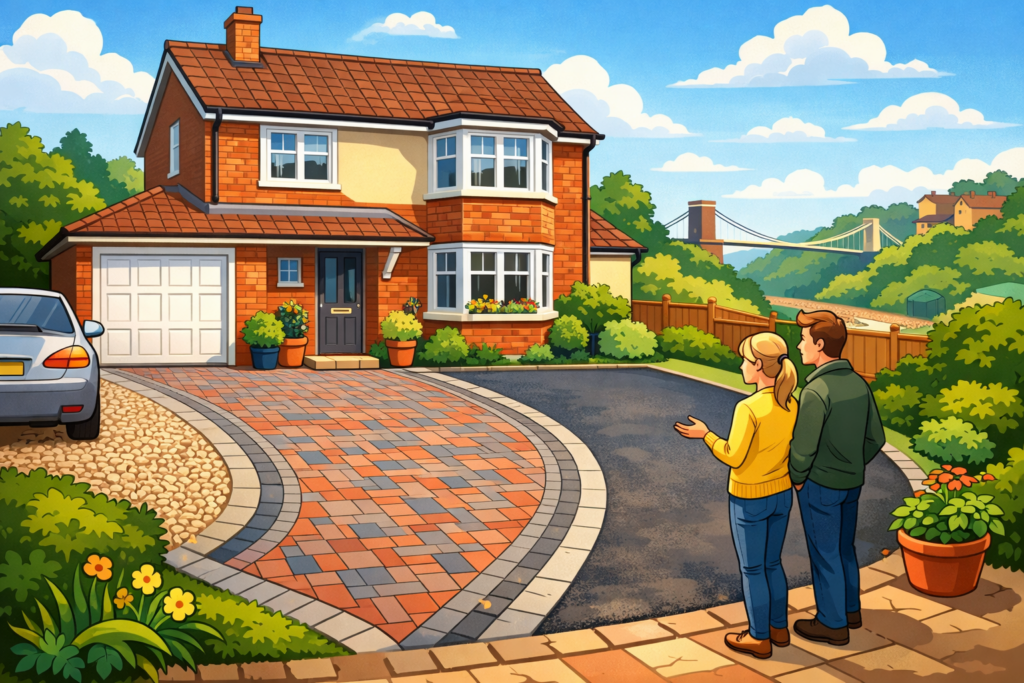
If you are considering changes to your driveway, it helps to think about the ramp as part of a wider front-of-house decision. That is much the same approach used when assessing whether a new driveway suits your home, because the best outcome comes from matching the design to the property rather than forcing a one-size-fits-all solution.
What a driveway ramp actually does
A driveway ramp creates a smoother transition between two levels, usually between the road, pavement, garage, or house entrance and the main driveway surface. Its job is to remove the abrupt change in height that can cause scraping, jolting, or poor access.
In practical terms, that can mean adjusting the driveway profile so a car can enter and leave without hitting the underside, bumper, or splitter. It can also make wheelchairs, pushchairs, mobility scooters and trolleys easier to move across the space.
Some ramps are obvious and purpose-built, while others are built into the overall shape of the driveway so the slope feels natural. The best versions are not dramatic add-ons; they are carefully integrated changes in level that preserve both function and appearance.
When a driveway ramp makes sense
A ramp is worth considering when the existing access creates repeated problems. If you have to slow to a crawl, approach at an angle, or still hear the vehicle catch, the current layout is probably not working as it should.
Homes on raised plots often benefit most, particularly where the driveway rises steeply from the road. The same applies where a garage sits above or below the driveway level, or where the property has been altered over time and the access no longer feels proportionate to the new layout.
A ramp can also be helpful if the driveway is used frequently by different drivers. What feels manageable to one person may be difficult for visitors, older family members, or anyone driving a lower car.
It is often a good option when:
- The car regularly grounds on entry or exit.
- There is a sharp level change at the front of the property.
- Access is awkward in poor weather.
- You want smoother entry for pushchairs or mobility aids.
- The driveway forms part of a larger improvement project.
Common situations where ramps are useful
Driveway ramps are not just for one type of home. They can work for modern properties, older houses, suburban plots and homes with unusual ground levels.
Homes with a steep front slope: A driveway that drops quickly from the pavement can look tidy but be difficult to use. A ramp can soften the transition and reduce the risk of bottoming out.
Garages set below ground level: Some garages sit partially lower than the driveway, particularly on sloping plots. In that case, a properly formed ramp can improve vehicle clearance while keeping the approach stable.
Front gardens converted into parking: If an older front garden has been turned into a parking area, the new surface may need shaping to create a safe entrance from the road.
Multi-use access areas: Where the front drive serves both vehicles and pedestrians, a gentler ramp can make the whole space easier to use, provided the surface remains safe and not too steep.
The practical benefits of getting it right
A good driveway ramp can make day-to-day life easier in more than one way. The most obvious benefit is vehicle clearance, but the wider impact often matters just as much.
One major advantage is reduced strain on cars. Repeated scraping can damage bumpers, undertrays and exhaust components, especially on low vehicles or cars with longer wheelbases. A smoother profile helps reduce that wear.
Another benefit is comfort. Approaching a driveway at the wrong angle every day is inconvenient, and it can become stressful during rain, darkness or icy conditions. A better-shaped entrance can make coming home feel simpler.
Ramps can also improve accessibility. A gentle transition can be valuable where the entrance needs to accommodate wheelchairs, shopping trolleys or buggies. For many households, that convenience is a genuine quality-of-life improvement.
If the driveway is part of a wider design refresh, a ramp can be incorporated into the visual scheme too. This is especially true when paired with thoughtful planting, edging or surfacing, similar to the ideas explored in whether a landscape driveway suits your home.
Limitations and drawbacks to consider
A ramp is not automatically the right answer. In some properties, it can solve one issue while creating another, which is why the design stage matters so much.
The biggest technical risk is drainage. If the slope is not planned carefully, water can run towards the garage or house rather than away from it. That can cause standing water, damp concerns, or even freeze risk in winter.
Steep ramps can also be awkward to drive over. If the angle is too aggressive, a car may still scrape, especially if the ramp changes too quickly rather than gradually. A smooth gradient is usually more effective than a short, sharp rise.
There is also the matter of appearance. A bulky or badly formed ramp can dominate the front of the home. For many properties, the best result is a subtle regrading of the driveway rather than an obvious structure.
Finally, ramps can reduce usable space if the front area is already small. In tighter drives, careful planning is needed to ensure turning, parking and pedestrian movement still work well.
Design details that make the difference
Good ramp design is about more than slope alone. Surface choice, width, edge treatment and drainage all affect how well the finished driveway performs.
Gradient: The slope should be gentle enough for regular use, but not so shallow that it creates a long, awkward approach where space is limited. The right balance depends on the property and the vehicle.
Width: A ramp should allow comfortable alignment, especially if drivers need to approach slightly off-centre. Too narrow a ramp can make the entry feel unforgiving.
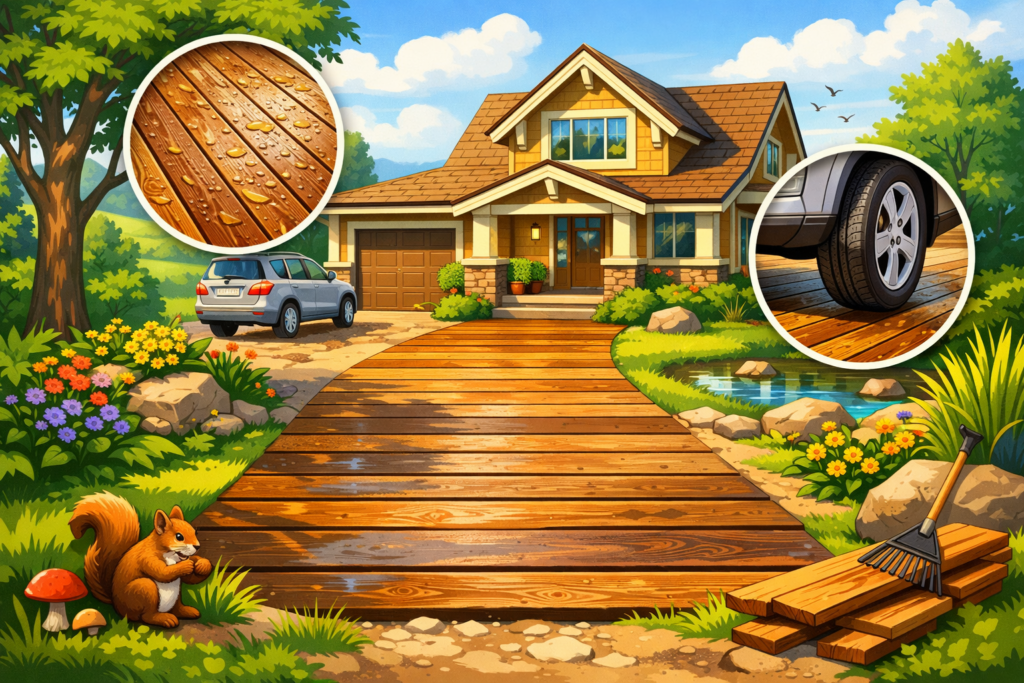
Surface texture: A ramp should have enough grip for wet and icy conditions. Smooth surfaces may look clean, but they need to be chosen carefully to avoid slipperiness.
Drainage: Channels, falls and soakaway planning need to be considered from the start. This is one of the most common areas where rushed projects go wrong.
Edges and transitions: The change from pavement to drive, or drive to garage, should feel gradual rather than abrupt. Poor transitions are often what cause scraping in the first place.
How to judge whether your home is a good candidate
The easiest way to assess suitability is to look at how the property behaves in real use. If you already know where the vehicle catches, where water sits, or where people struggle to move, those are clear signs that the current layout needs work.
It is also worth thinking about the vehicle itself. A family SUV, a van and a low sports car each place different demands on a driveway. If the home may need to accommodate different vehicles over time, the ramp should be designed with some flexibility.
House style matters too. Period homes, for example, often need a more restrained solution so the front elevation is not overwhelmed. For some properties, a ramp can be combined with softening features such as planting or edging, which is why it can be useful to compare options with driveway landscape ideas for homes.
If the front of the property is already very compact, the answer may be a partial ramp, a reprofiled entrance, or a broader driveway redesign rather than a single slope.
Common mistakes to avoid
One of the most common mistakes is underestimating the importance of drainage. A ramp that looks fine in dry weather can become a problem the moment heavy rain hits.
Another frequent issue is making the slope too steep in order to save space. That can leave the driveway looking tidy but still unusable, because the angle remains uncomfortable or damaging for vehicles.
Some homeowners also focus only on the driveway surface and ignore what happens at the edges. If the transition meets an uneven threshold, broken paving or a poorly set kerb, the benefit of the ramp will be limited.
It is also easy to overlook future needs. A driveway ramp should not just work for the vehicle parked there today. It should still be sensible if the household changes car size, mobility needs or parking habits.
Planning, permissions and local considerations
Many driveway improvements can be carried out without major formalities, but that does not mean the work should be approached casually. Local conditions, pavement levels and drainage requirements can all affect what is appropriate.
If the driveway connects to a public pavement or road edge, the relationship between the private drive and the highway needs close attention. Changes to kerbs or access points may require the right approvals, depending on the layout and local authority rules.
It is also sensible to consider the wider setting of the property. A ramp that suits one street can look out of place on another, especially where front boundaries, garden space or historic character need to be preserved.
When in doubt, it is better to ask questions before work begins than to correct avoidable issues afterwards. That is particularly true where the driveway is being combined with other changes, such as barriers, gates or improved security measures.
Should you combine a ramp with other driveway upgrades?
Often, yes. A ramp can work even better when paired with other improvements that support access, safety and appearance.
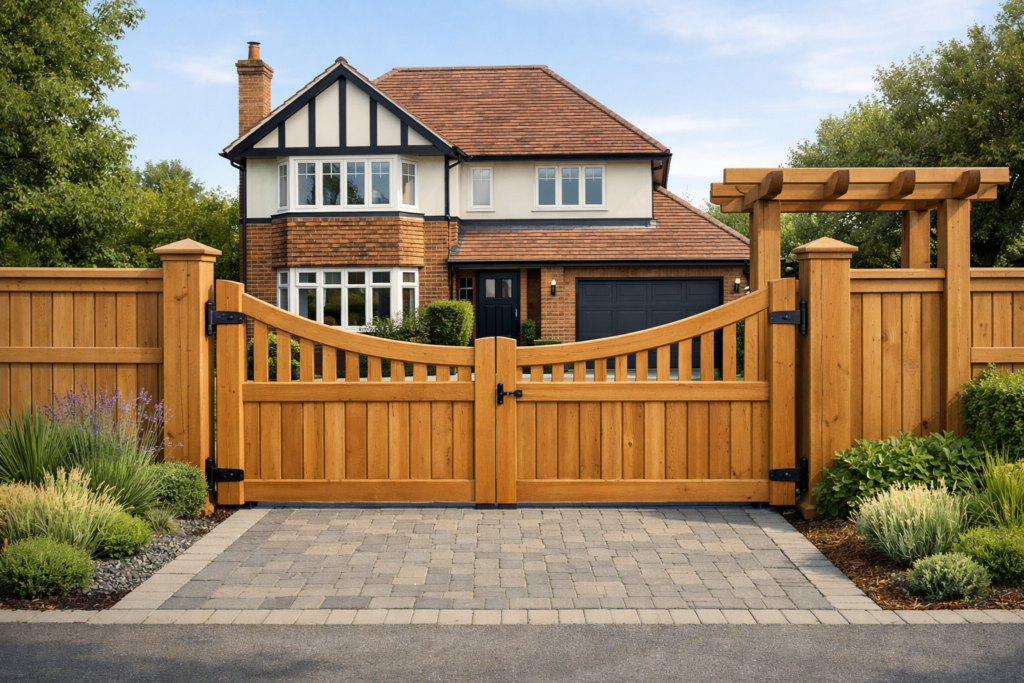
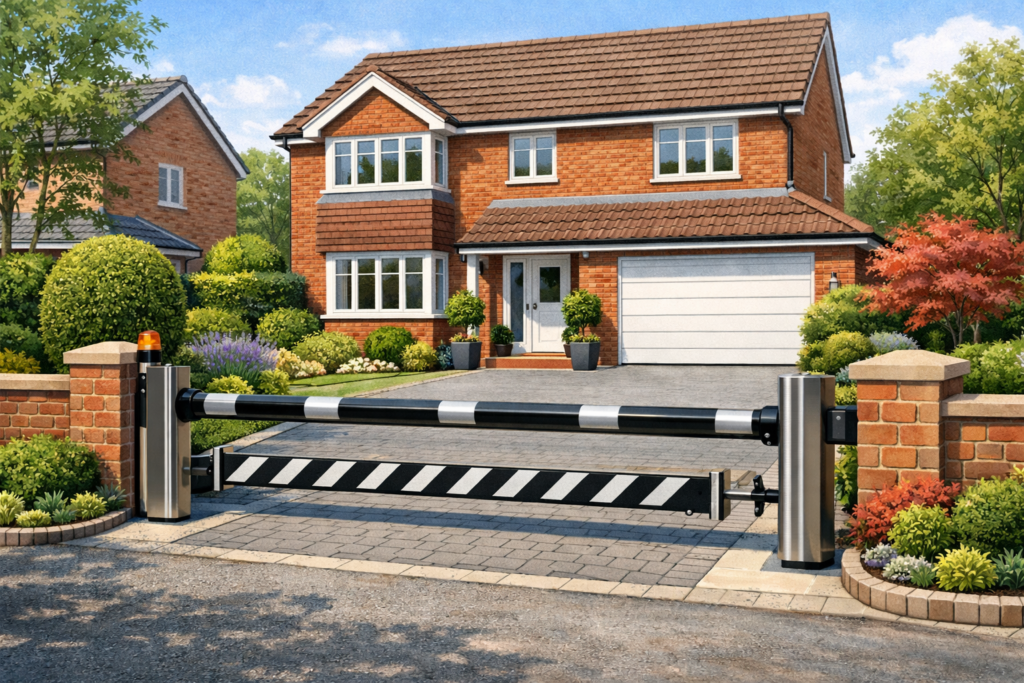
For example, if privacy or controlled entry is also important, the project may be combined with features like posts or gating. In those cases, it is worth considering whether driveway barriers make sense alongside the ramp, rather than treating each element as separate.
Other useful additions can include new edging, better lighting, and a cleaner surface finish that highlights the approach. The aim should be a front area that feels intentional, practical and easy to maintain.
Combining works can also save time and disruption. If excavation, levelling or resurfacing is already planned, it may be more efficient to complete the ramp as part of the same project.
What to ask before committing to a ramp
Before agreeing to a design, it helps to look beyond the visual impression. A ramp may seem straightforward, but the details determine whether it will perform properly for years.
Ask how the slope will affect drainage, what surface material will be used, and whether the transition points will be smooth enough for your current and future vehicles. It is also worth asking how the ramp will look from the street, especially if the property relies on kerb appeal.
If possible, think about the driveway in different conditions. Wet weather, frost and evening visibility can all change how the space feels in use. A good design should cope with all three.
Useful questions to keep in mind:
- Will the ramp improve access without making parking harder?
- Is the gradient suitable for my vehicle?
- How will rainwater move across the surface?
- Can the design blend into the existing frontage?
- Will the ramp still work if our needs change later?
What We Get Asked…
Do all driveway ramps need permission?
Not always, but access changes near a pavement or road can bring local rules into play. It is sensible to check before work starts, particularly if kerb alterations are involved.
Can a ramp stop my car scraping?
It often can, provided the slope is designed well. If the angle is still too sharp or the transition is too sudden, scraping may continue.
Will a ramp make my driveway slippery?
It should not, if the correct surface finish is chosen. Grip is especially important on sloped areas that may get wet or icy.
Is a ramp suitable for small front drives?
Sometimes, but space has to be used carefully. A compact plot may need a subtle regrade rather than a pronounced ramp.
Can a ramp be added to an older driveway?
Yes, although the existing structure and drainage will need to be assessed. Older driveways often need more preparation than homeowners expect.
Our Final Thoughts
A driveway ramp can be a smart and worthwhile improvement when the existing access causes problems. It can protect vehicles, improve day-to-day convenience and make the front of the property far easier to use.
However, the key question is not whether a ramp sounds useful in principle, but whether it fits the specific shape, level and use of your home. The best results come from careful planning, realistic expectations and a design that balances access with drainage and appearance.
If your driveway already feels awkward, harsh or restrictive, a ramp may be the solution that makes the space work properly again. The next sensible move is to assess the slope, think about how the drive is used, and explore whether a ramp should be part of a wider driveway upgrade.
For many homes, that first conversation is the point where a frustrating entrance starts to become a practical and welcoming one.