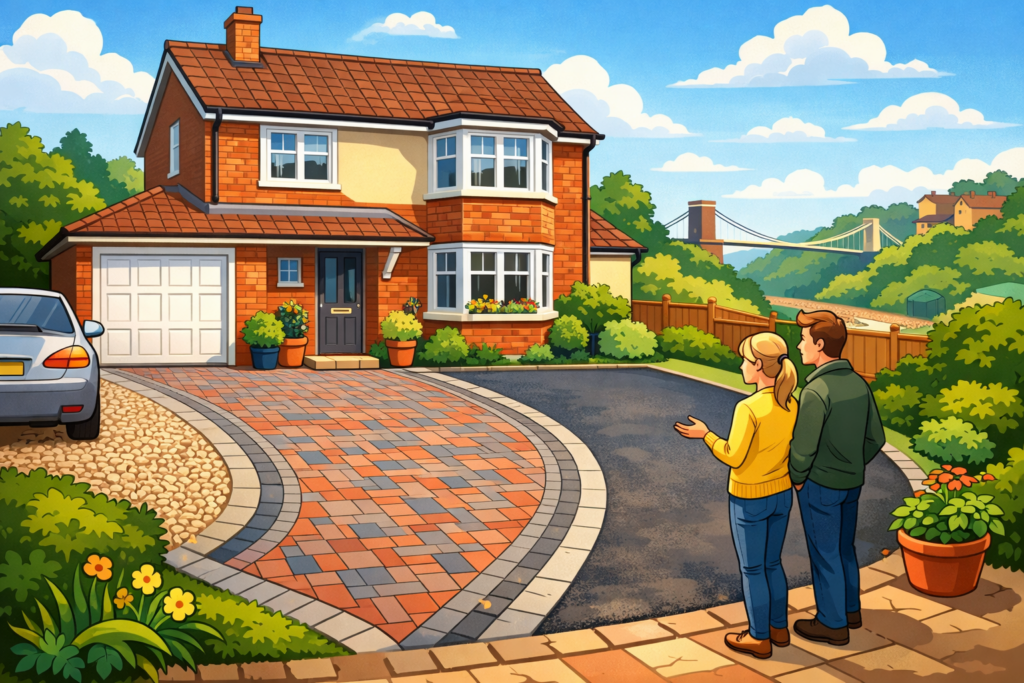
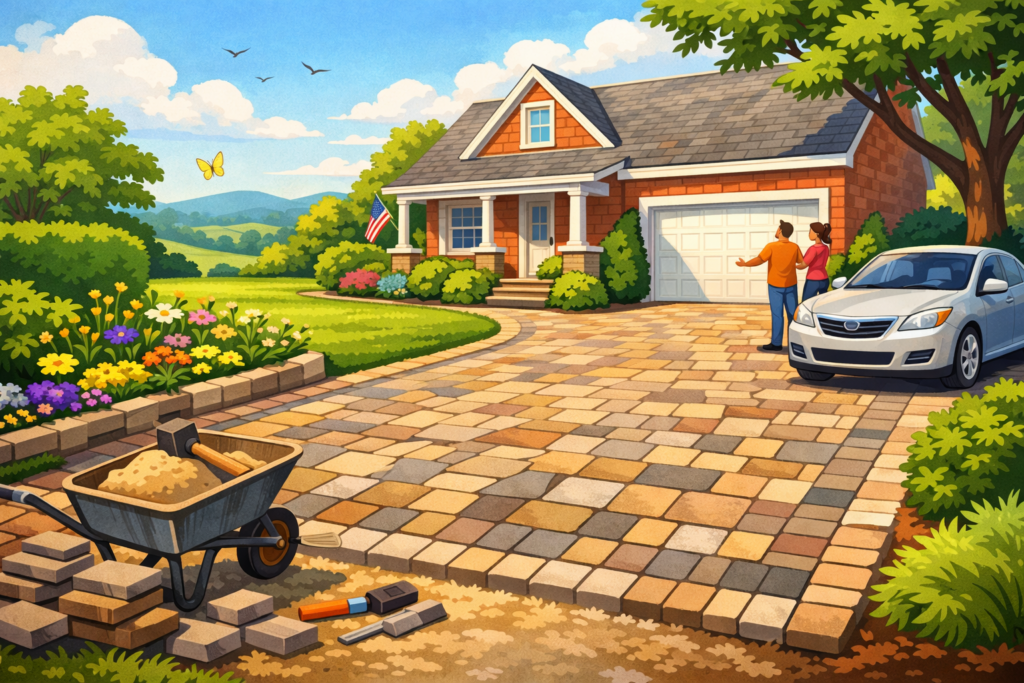
The driveway outside your home does far more than provide somewhere to park. It shapes first impressions, affects day-to-day convenience, and can influence how much maintenance you take on over the years.
Marshall driveways are often considered by homeowners who want a neat finish with reliable performance, but the best choice depends on your property, budget, and how you use the space. Some homes suit the look and structure of Marshall paving beautifully, while others may be better served by a different surface or design approach.
Understanding the strengths and limitations of Marshall driveways helps you avoid costly mistakes and choose a finish that works in real life, not just on paper. That means looking beyond appearance and thinking about drainage, ground preparation, access, upkeep, and the style of your home.
What makes Marshall driveways stand out?
Marshall is a well-known name in the UK landscaping and paving market, and many homeowners associate it with consistent quality and a broad choice of driveway products. The brand offers paving styles that can suit traditional and contemporary homes, which makes it easier to create an entrance that feels coordinated with the property.
One of the main reasons people choose Marshall driveways is the balance between visual appeal and practical use. The paving is designed for everyday traffic, while still offering a refined finish that can lift the look of the front of a home.
Another key advantage is the range of textures, colours, and patterns available. That flexibility can make a big difference if you want something more distinctive than plain concrete or basic block paving.
The benefits of choosing Marshall driveways
Marshall driveways can offer several clear benefits when they are specified and installed properly. The most obvious is kerb appeal, since a well-laid driveway can make the whole frontage look more polished and inviting.
They can also be a practical long-term choice. Many Marshall products are designed to withstand regular use, meaning they can cope well with vehicles, foot traffic, and changing weather conditions.
For homeowners who want a driveway that feels tailored rather than generic, Marshall’s product range can be especially appealing. It allows for more thoughtful design, which is useful if the driveway is a visible part of the home rather than just a functional strip of hardstanding.
Other benefits include:
- Good aesthetic variety for different property styles
- A more cohesive look when matched with paths or edging
- Potential to improve the overall presentation of the front garden
- Surface options that can be used alongside drainage planning
If you are also considering wider front-of-house improvements, it may be worth looking at how the driveway will sit alongside planting, borders, and hard landscaping. A landscaping driveway approach can help the whole entrance feel more balanced and considered.
Where Marshall driveways may not be the best fit
Although Marshall driveways have plenty to offer, they are not automatically the right answer for every home. The biggest issue is that a good product still needs the right groundwork, drainage, and installation quality to perform well over time.
If the sub-base is poorly prepared, even a high-quality surface can sink, shift, or develop dips. That is why the standard of installation matters just as much as the material itself.
Cost is another consideration. Marshall products can sit above basic alternatives in price, especially when you choose premium styles, detailed edging, or a more complex layout. For some homeowners, that extra investment is worthwhile, but for others a simpler surface may be more appropriate.
You should also think about whether the style suits the house. A very ornate finish can look out of place on a modest property, while a highly contemporary design may not suit a period home with traditional features.
Which homes suit Marshall driveways best?
Marshall driveways tend to work well where the front of the property is an important visual feature. Homes with enough frontage to show off the design usually benefit most, because the paving can be appreciated rather than squeezed into a small or awkward area.
They are often a strong choice for family homes, detached properties, and homes where the driveway is visible from the road. In these settings, the driveway contributes to the overall character of the property and can create a much smarter first impression.
They can also work well for properties where the owner wants a more bespoke look without moving into highly specialist materials. If you want durability, a tidy finish, and design flexibility, Marshall paving is worth serious consideration.
Best suited to:
- Homes with clearly defined front drives
- Properties that need a more polished appearance
- Front gardens being converted into usable parking space
- Homeowners who want design options without sacrificing practicality
Design choices that affect the final result
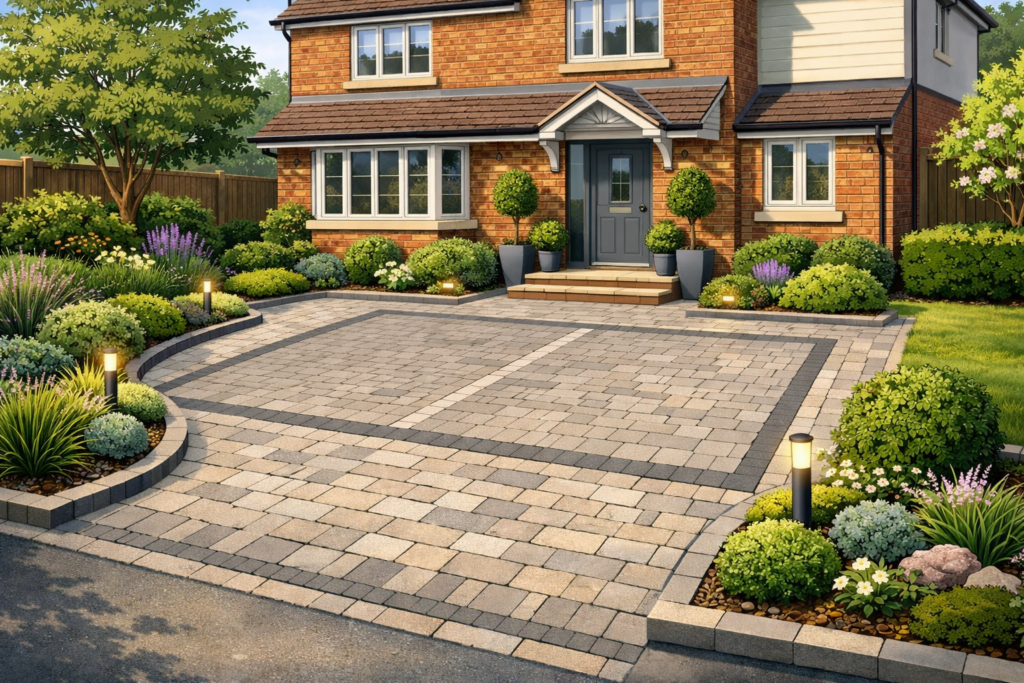
The success of a Marshall driveway depends heavily on the design decisions made before installation begins. Colour choice is often the first issue, because the paving should complement the brickwork, roof tiles, windows, and surrounding landscaping.
Pattern and layout matter just as much. A simple linear design can feel clean and modern, while a more detailed layout can add character to a traditional property. The wrong pattern, however, can make the driveway feel busy or disconnected from the rest of the home.
Edging is another detail that should not be overlooked. A careful border can frame the driveway neatly and help stop the space looking unfinished.
Useful design questions to ask:
- Will the colour suit the house in different seasons and light levels?
- Does the paving pattern match the overall style of the property?
- Will the border and edging make the space look defined?
- How will the driveway sit alongside paths, planting, and gates?
If your frontage includes planting or soft landscaping, the look may be improved by the right plant choices. For more ideas on balancing paving with greenery, see driveway plants and kerb appeal.
Drainage and ground preparation matter more than most people think
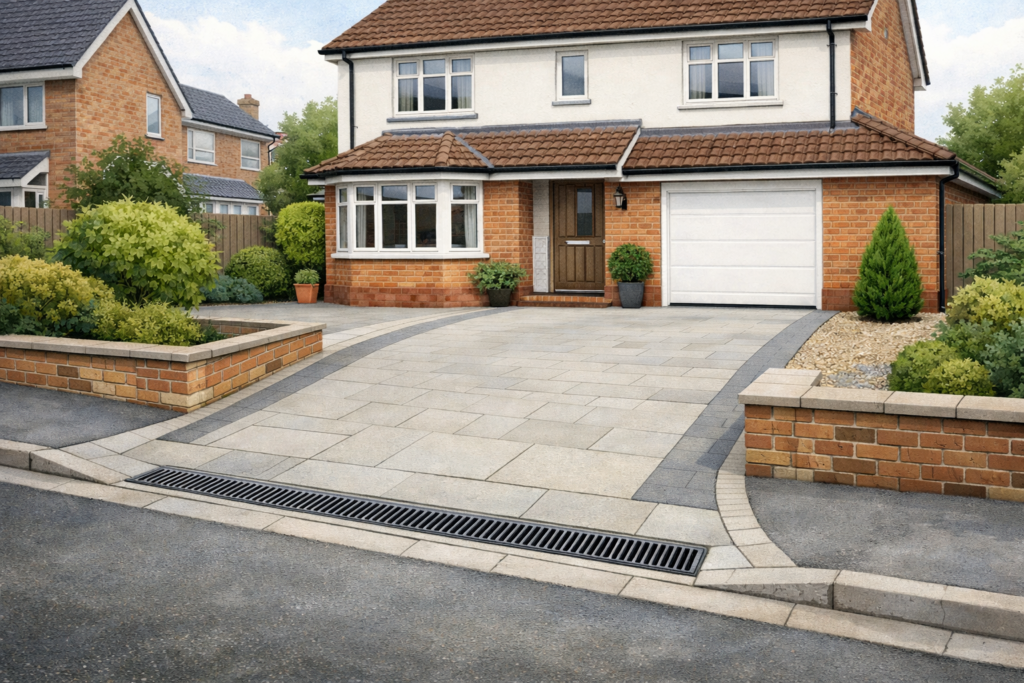
Many driveway problems come from what is underneath the surface rather than the surface itself. Marshall driveways need proper excavation, a stable sub-base, and appropriate drainage to perform as intended.
This is particularly important because water that is allowed to pool, run towards the house, or seep into unstable ground can create long-term issues. Standing water can stain the driveway, accelerate wear, and create unsafe conditions in colder weather.
In many cases, homeowners also need to think about planning and drainage rules, especially where the driveway creates a larger impermeable area. A reputable installer should explain how the design will manage water responsibly and comply with local requirements where relevant.
Groundwork that should not be rushed:
- Excavation to the correct depth
- Compaction of the sub-base
- Suitable fall and surface drainage
- Edge restraints to keep the paving stable
Maintenance and everyday practicality
Marshall driveways are often chosen because they look smart, but they still need ongoing care if you want them to stay that way. The good news is that many surfaces are relatively straightforward to maintain compared with some other options.
Routine sweeping helps prevent debris from settling into joints, while occasional cleaning can remove dirt, moss, and staining. If the driveway is near trees or planting beds, you may need to clear leaves more often.
Weed growth in joints is also possible if the driveway has not been installed with enough care or if maintenance is neglected. That is not unique to Marshall products, but it is a common issue for many paved surfaces.
Practical maintenance habits include:
- Removing leaves and grit regularly
- Cleaning stains early before they settle
- Checking for movement after severe weather
- Re-sanding joints if recommended for the product
For homeowners comparing different surface types, it may help to look at other options such as a gravel driveway choice or a more rigid surfaced approach before making a final decision.
How Marshall driveways compare with other common materials
Marshall driveways sit somewhere between basic practicality and a more design-led finish. Compared with gravel, they are tidier underfoot and usually less noisy, although they may cost more to install.
Compared with tarmac, they often provide a more decorative look and more design flexibility. Tarmac can be a sensible option for some homes, but it may not deliver the same sense of character or detail.
Compared with resin, Marshall paving can feel more traditional and structured. Resin offers a smooth, contemporary appearance, but some homeowners prefer the defined pattern and classic appeal of block or paved surfaces.
At a glance:
- Versus gravel: smarter, quieter, and often easier to walk on
- Versus tarmac: more decorative and customisable
- Versus resin: more traditional in appearance and often easier to repair in sections
If you are still comparing surface types, it can be useful to explore whether a tarmac driveway option or a resin driveway option would better suit your priorities.
Common mistakes to avoid
One of the most common mistakes is focusing only on appearance. A driveway may look impressive on installation day, but it still needs to cope with vehicle weight, weather, and drainage demands.
Another mistake is underestimating the importance of installation skill. Even the best Marshall materials can perform badly if the base layers, edging, or levels are not handled properly.
Homeowners also sometimes choose a style that conflicts with the house or the street scene. That can reduce the impact of the investment and leave the frontage feeling disconnected.
Watch out for:
- Choosing a colour that clashes with the property
- Ignoring drainage and surface fall
- Using insufficient sub-base depth
- Overlooking future maintenance needs
What to ask before you commit
Before deciding on Marshall driveways, it is sensible to ask a few direct questions about the project. This helps you compare quotations more effectively and understand what is actually included.
You should ask about the exact product being installed, the build-up beneath it, and how drainage will be managed. It is also worth checking whether the installation team has experience with the specific style you want.
Important questions to raise:
- Which Marshall product is being used?
- What depth of excavation and sub-base is included?
- How will water be directed away from the property?
- Are edging, jointing, and finishing included in the quote?
- What maintenance will the surface need after installation?
If you are working with a specialist rather than comparing products yourself, it can help to understand whether an experienced driveways company is the right route for your project.
What We Get Asked…
Are Marshall driveways expensive?
They can be more expensive than basic driveway finishes, especially if you choose premium products or a detailed design. The final cost depends heavily on size, preparation work, and installation complexity.
Do Marshall driveways need much maintenance?
They usually need moderate maintenance rather than heavy upkeep. Regular sweeping, occasional cleaning, and attention to joints will help keep them looking their best.
Can Marshall driveways work on small front gardens?
Yes, but the design needs to be carefully scaled. Small spaces benefit from simpler patterns and lighter colours that avoid making the area feel crowded.
Are Marshall driveways suitable for all property styles?
Not always. They often suit homes where the driveway is visible and part of the overall appearance, but the style should still match the architecture of the property.
Our Final Thoughts
Marshall driveways can be an excellent choice for the right home. They offer a strong mix of visual appeal, everyday practicality, and design flexibility, which makes them attractive to many homeowners.
That said, the success of the project depends on more than the product itself. Good groundwork, sensible drainage, and a finish that suits the house are all essential if you want the driveway to look good and perform well for years.
If you are considering a new driveway, take time to compare materials, think about how you use the space, and make sure the style matches the property. For more ideas on choosing the right surface for your home, explore the other driveway guides on the site and speak to a reputable installer before making your final decision.