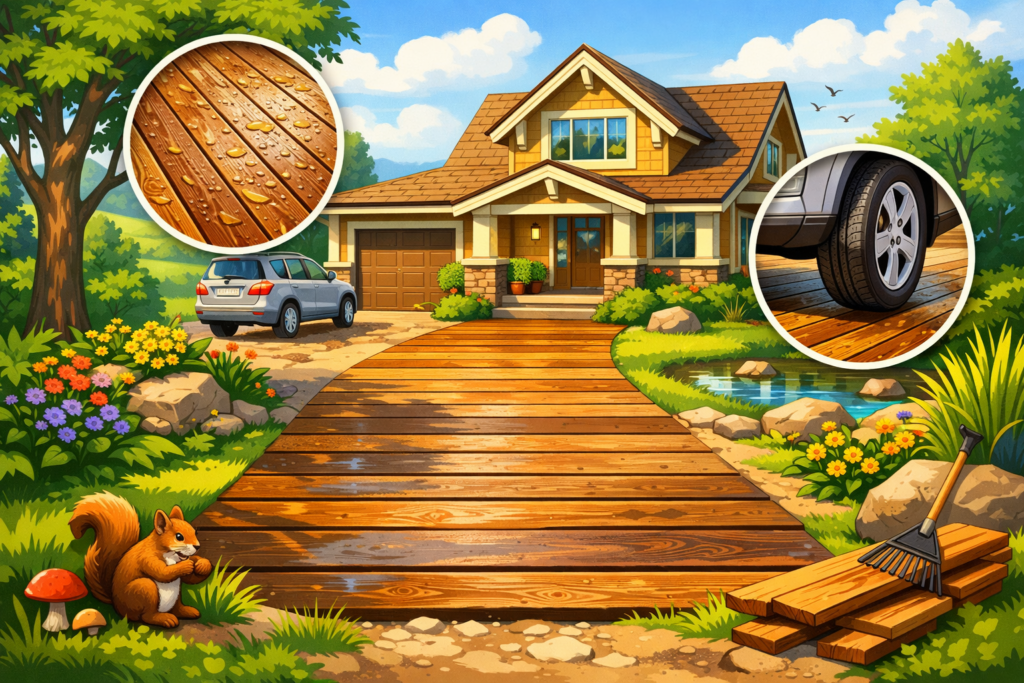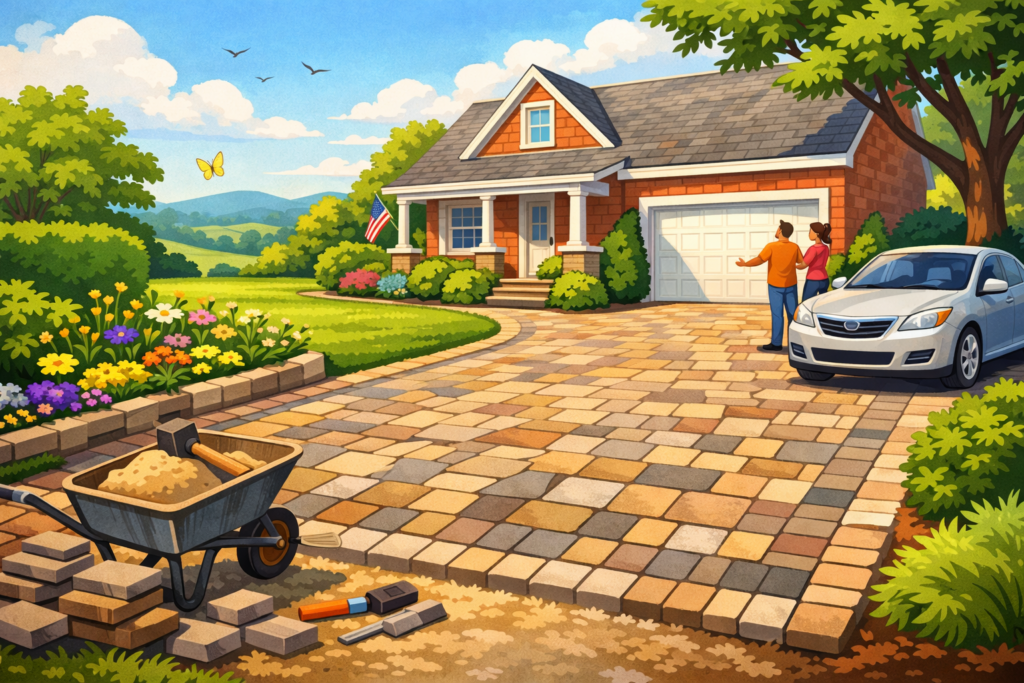
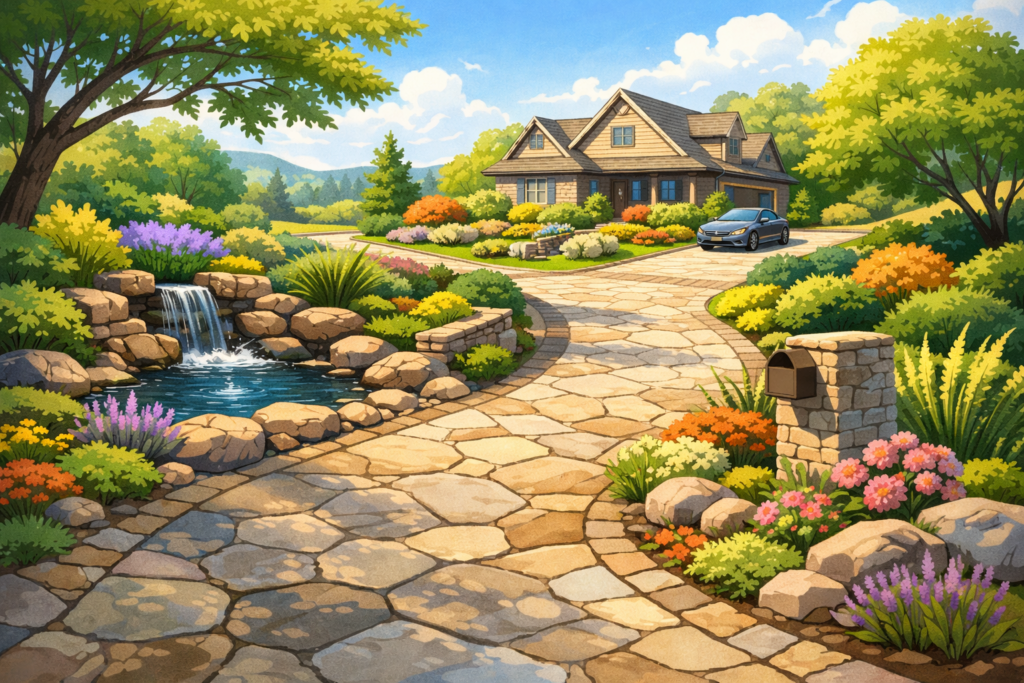
A landscape driveway can do far more than provide a place to park. When it is designed well, it can soften the hard edges of a frontage, improve kerb appeal, support drainage and create a more welcoming arrival to the home.
That said, not every property benefits from a landscape-led approach. The right answer depends on how you use the space, what your frontage already offers and how much ongoing upkeep you are prepared to manage.
For some homes, a planted or visually softened driveway creates a polished, practical entrance that feels completely at home with the architecture. For others, too much planting, decorative edging or complex layout can reduce parking space, create maintenance headaches or make access less straightforward.
What a landscape driveway actually means
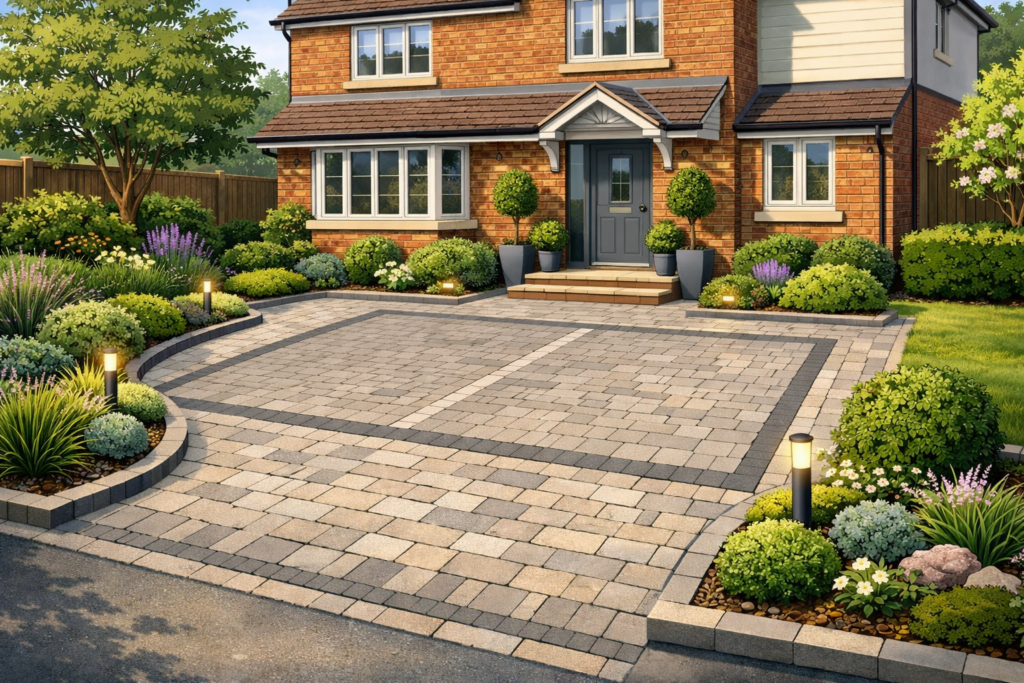
A landscape driveway is not simply a driveway with a few shrubs nearby. It usually combines hard standing with planting, edging, lighting, drainage and layout choices that make the entrance feel integrated with the garden and the wider property.
The aim is to balance function and appearance. Rather than treating the driveway as a purely practical surface, the design gives equal attention to how it looks from the road and how it works day to day.
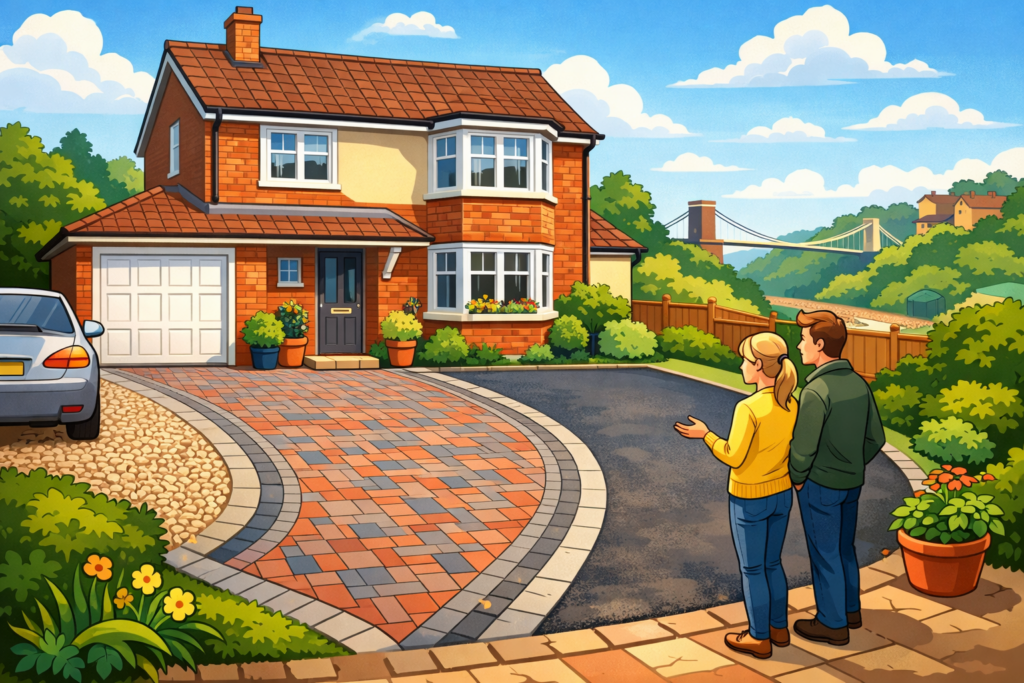
This might include permeable surfacing, bordered planting beds, feature paving, gravel bands, retained beds or a driveway shape that flows around trees or lawn areas. In some homes, it can also tie into wider frontage improvements, which is why many owners consider it alongside other options such as a new driveway investment.
The best landscape driveways feel intentional rather than decorative for the sake of it. Every element should earn its place by improving either usability, visual balance or long-term performance.
When a landscape driveway makes sense
A landscape driveway works especially well when the front of the property has enough space to justify a more considered layout. Larger plots, generous setbacks and detached or semi-detached homes often have more room to introduce planting without compromising parking.
It can also be a strong choice if the frontage currently feels harsh, sparse or disconnected from the rest of the home. A thoughtful design can make a plain expanse of concrete or tarmac feel much more inviting.
Properties that benefit most often share a few traits:
- There is enough width or depth to combine parking and planting comfortably.
- The home would suit a softer, more characterful entrance.
- There is a need to manage surface water more responsibly.
- The owners want the driveway to add visual value as well as practical access.
If your house already has strong architectural character, landscaping can enhance it without overpowering it. Brick homes, period properties and homes with mature gardens often respond particularly well to a carefully balanced design.
The practical benefits beyond appearance
The biggest mistake people make is assuming a landscape driveway is mainly about looks. In reality, a well-planned design can improve how the entrance functions every single day.
One major advantage is better drainage. Permeable materials, planted borders and smart grading can reduce water runoff, which is particularly useful on frontages that currently suffer from pooling or splashing.
Another benefit is clearer organisation. Landscaping can help define where cars should travel, where pedestrians should walk and where the property boundary begins, making the space feel calmer and easier to use.
There can also be a comfort benefit. A frontage with some greenery, seasonal interest and softer edges often feels more welcoming when arriving home, especially in winter when a plain drive can look stark and uninviting.
Well-designed landscaping may also improve how the house sits within the street scene. While that does not guarantee value growth, it can support a better first impression, which matters to potential buyers and visitors alike.
Why drainage should be part of the design
Drainage is one of the most important considerations for any driveway project, and it becomes even more relevant when planting is introduced. A landscape driveway should never create water issues for the house, neighbours or public pavement.
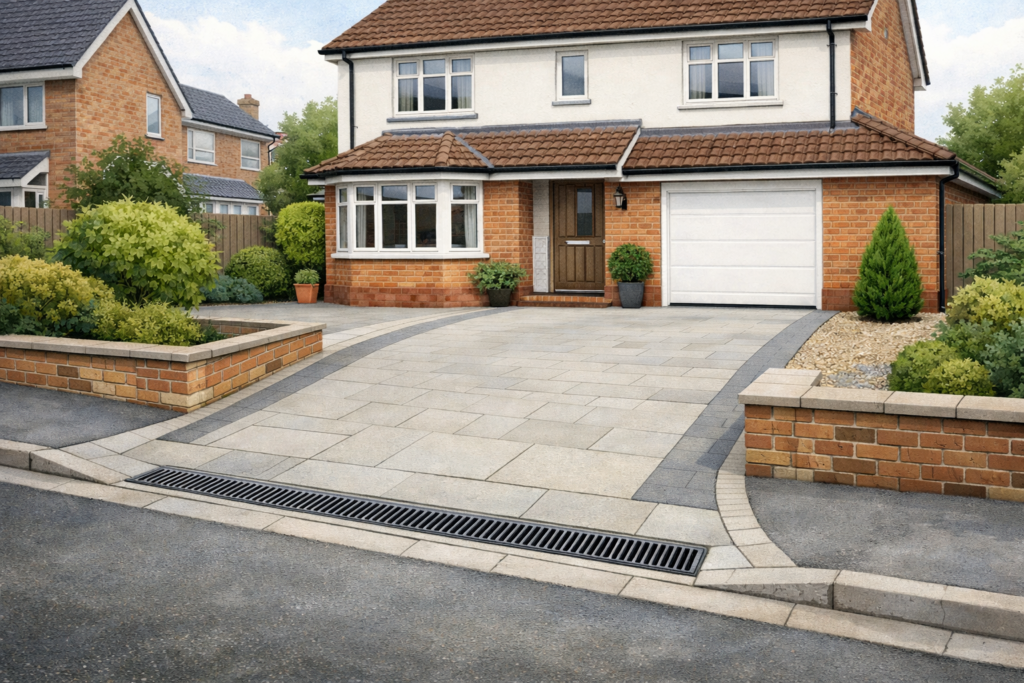
Depending on the layout, your installer may suggest permeable paving, soakaways, channel drains or carefully sloped surfaces that direct water away from the building. Planting beds can help, but they should be part of a wider drainage strategy rather than the only defence against standing water.
If you are comparing surface types, it can be useful to look at how landscaping interacts with materials. Some homeowners explore options like driveway bricks because the joints, layout and finish can work well with softer frontage designs.
Where a landscape driveway can fall short
There are situations where a landscape driveway sounds appealing but becomes frustrating in practice. The most common issue is trying to fit too much design into too little space.
If parking room is already tight, adding planting islands, deep borders or decorative features can make manoeuvring harder. That can become a daily annoyance, particularly if multiple cars need to be accommodated or if turning space is limited.
Maintenance is another factor that is easy to underestimate. Plants need pruning, weeds need managing, gravel can migrate and edges need keeping tidy if the driveway is to continue looking intentional.
There is also a risk of choosing features that do not suit the local environment. Delicate planting may struggle in exposed or shaded frontages, while high-maintenance layouts can quickly look tired if the household does not have time for regular upkeep.
Common mistakes to avoid
One of the most frequent mistakes is prioritising decoration over access. A driveway still needs to support smooth entry, turning and parking, even when landscaping is part of the design.
Another issue is ignoring maintenance from the outset. Attractive planting can become a burden if it blocks sightlines, sheds debris or needs constant replacement.
People also sometimes choose materials that clash with the house or surrounding street. A landscape driveway should look as though it belongs to the property, not as though it was added without considering the building style.
Finally, some projects underestimate planning, drainage or boundary issues. Before work begins, it is worth checking whether the scheme will affect water flow, visibility splays or access rights.
How to judge whether your home is a good fit
The best place to start is by looking honestly at your frontage. Consider how much usable space you have, how many vehicles need to fit and how often the driveway is used throughout the day.
If you only park one car and have a generous frontage, you may have more freedom to introduce planting and decorative features. If you need regular access for several vehicles, a cleaner and simpler layout may work better.
It also helps to think about the style of your home. A landscape driveway often complements properties with mature gardens, traditional facades or a more relaxed rural feel. Modern homes can still suit this approach, but the design usually needs to be more restrained and architectural.
If you are not sure, compare the idea with broader frontage improvements and think about how the drive will work with the house as a whole. Some homeowners decide after reviewing options such as a landscaped driveway design that the frontage needs a balance of hard surface and greenery rather than a highly decorative finish.
Ask yourself these practical questions:
- Will the driveway still be easy to park on in winter?
- Can the planting be maintained without specialist help?
- Will the design improve drainage rather than complicate it?
- Does the layout suit the way people enter and leave the property?
Choosing the right materials and planting
Material choice has a major influence on whether the driveway feels successful. The surface must be durable enough for vehicle use, but it should also work visually with the planting and edging.
Permeable paving is often a good option where drainage is a concern, while gravel can suit more relaxed or rural settings if it is well contained. Block paving, brick-style layouts and mixed surfaces can also be effective when they are chosen carefully.
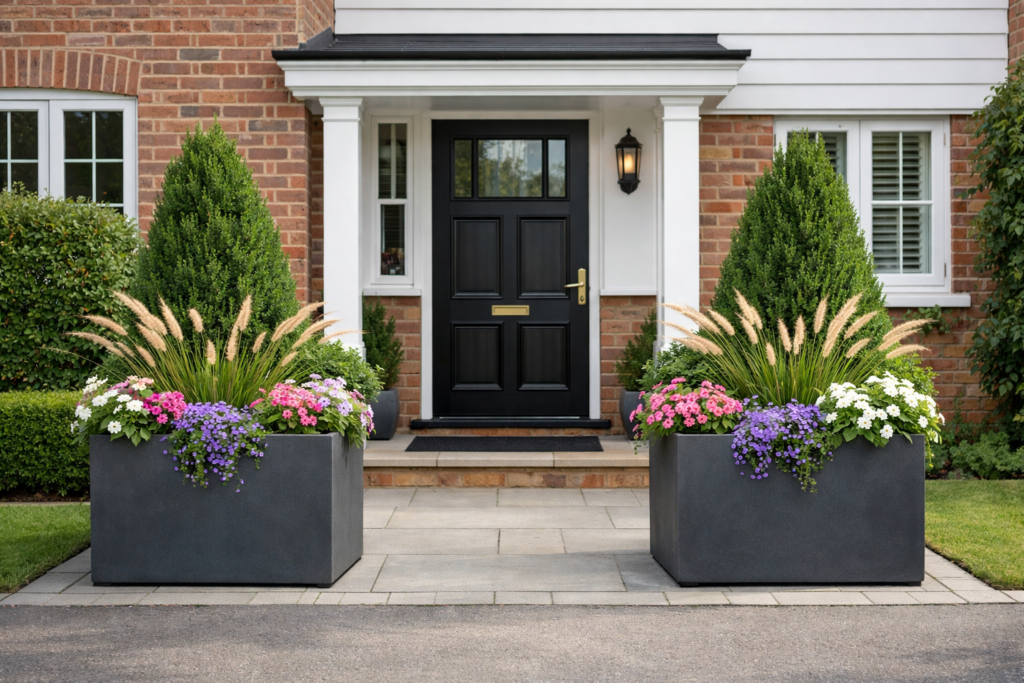
Planting should support the driveway, not dominate it. Low hedges, structural grasses, evergreen shrubs and seasonal perennials often work better than tall or sprawling plants that obscure sightlines or shed excessive debris.
It is usually wise to keep the planting scheme simple and repeat a small number of species. That creates visual consistency and helps the frontage feel designed rather than busy.
Think about year-round appearance
A driveway is seen in all seasons, so the planting should look decent in winter as well as in summer. Evergreen structure, bark mulch and hard edging can prevent the space from becoming bare and muddy in colder months.
Lighting can also help. Subtle illumination along borders or paths improves safety and gives the frontage a polished appearance after dark.
If the property is in an exposed area, choose plants that cope with wind, salt or poor soil rather than relying on more delicate species. A landscape driveway is only successful if it remains attractive beyond the first few months.
Maintenance: the part people often underestimate
A landscape driveway usually needs more attention than a plain hardstanding surface. The level of care depends on the design, but there will almost always be some ongoing maintenance.
Weeds can emerge in joints, borders need trimming and planted areas may need seasonal attention. Gravel needs raking back into place, and drainage channels should be kept clear of leaf litter and silt.
That does not make the idea impractical, but it does mean the home should be matched to the right level of upkeep. A busy household may prefer a restrained scheme with minimal planting and easy-clean finishes.
If low maintenance is a priority, focus on robust materials, limited planting beds and simple edge detailing. The best designs look intentional without demanding constant intervention.
Cost considerations and long-term value
Landscape driveways can vary widely in cost because the design often includes more than one type of material and may require drainage, edging and planting work. The final price depends on how elaborate the scheme is and how much preparation the site needs.
As a result, it is sensible to think in terms of long-term value rather than initial appearance alone. A cheaper surface that quickly looks neglected may cost more over time than a properly designed driveway with durable materials and manageable planting.
It is also worth considering how the driveway contributes to the feel of the whole property. A well-resolved entrance can make the home feel more complete, which can be especially important if the front garden is visible from the street.
For some homeowners, that balance between appearance, function and practicality makes the project worthwhile. For others, a simpler driveway with smaller landscaping touches may be the smarter investment.
What to ask before committing
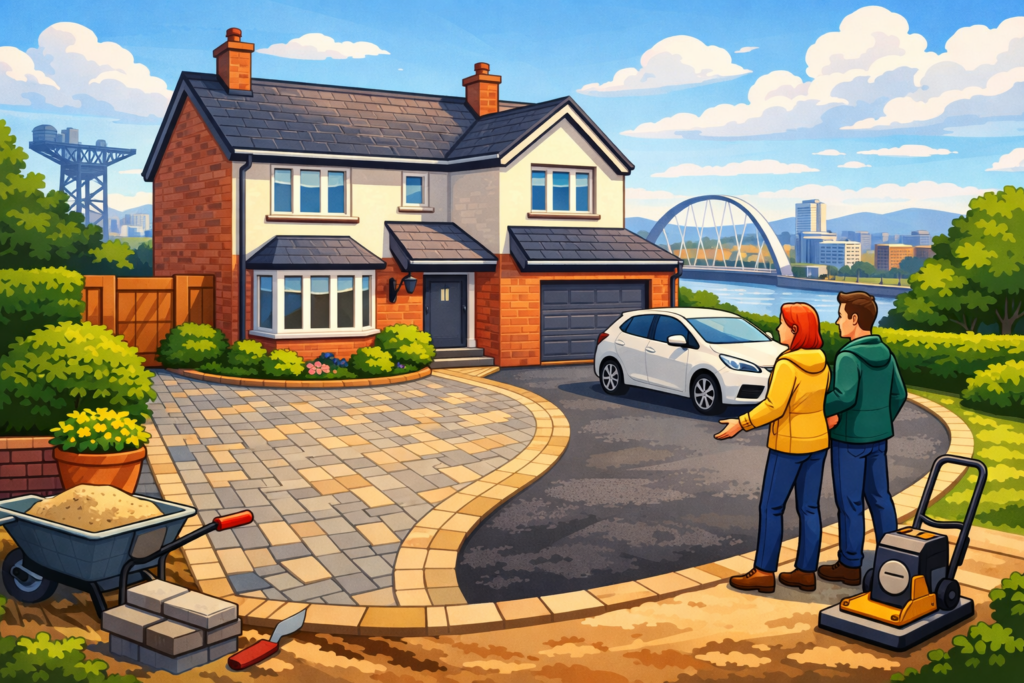
Before you go ahead, think beyond the style inspiration and focus on how the driveway will be used. The right question is not just whether it looks good on paper, but whether it will still work in everyday life two or three years later.
Ask how the surface will perform in wet weather, where water will go and how easy it will be to maintain the planting. If the layout involves turning, reversing or shared access, check that those movements will remain straightforward.
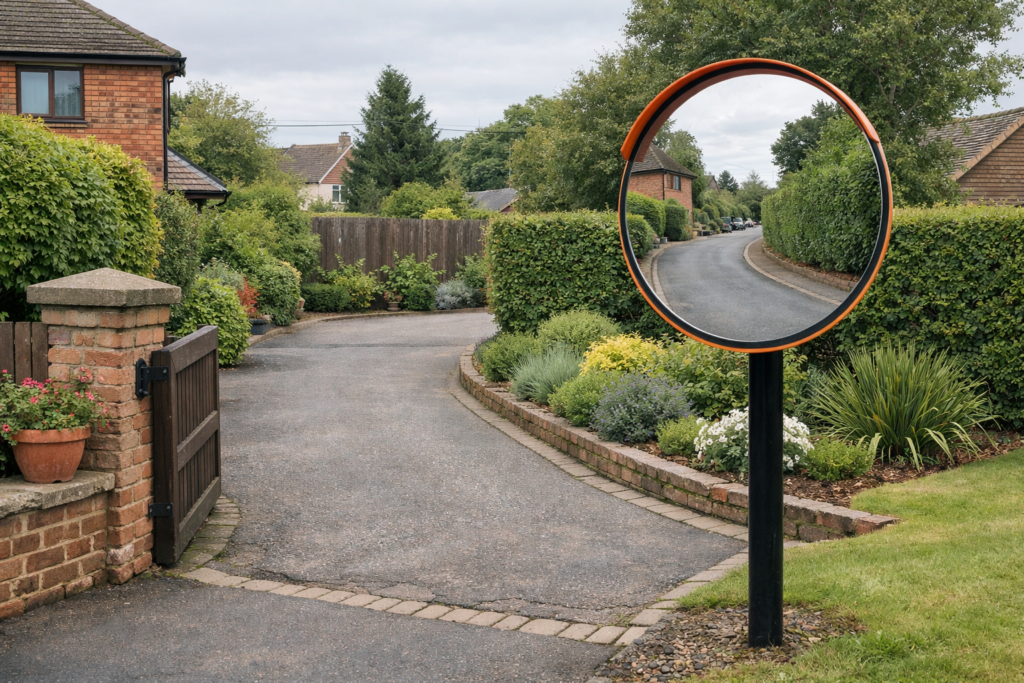
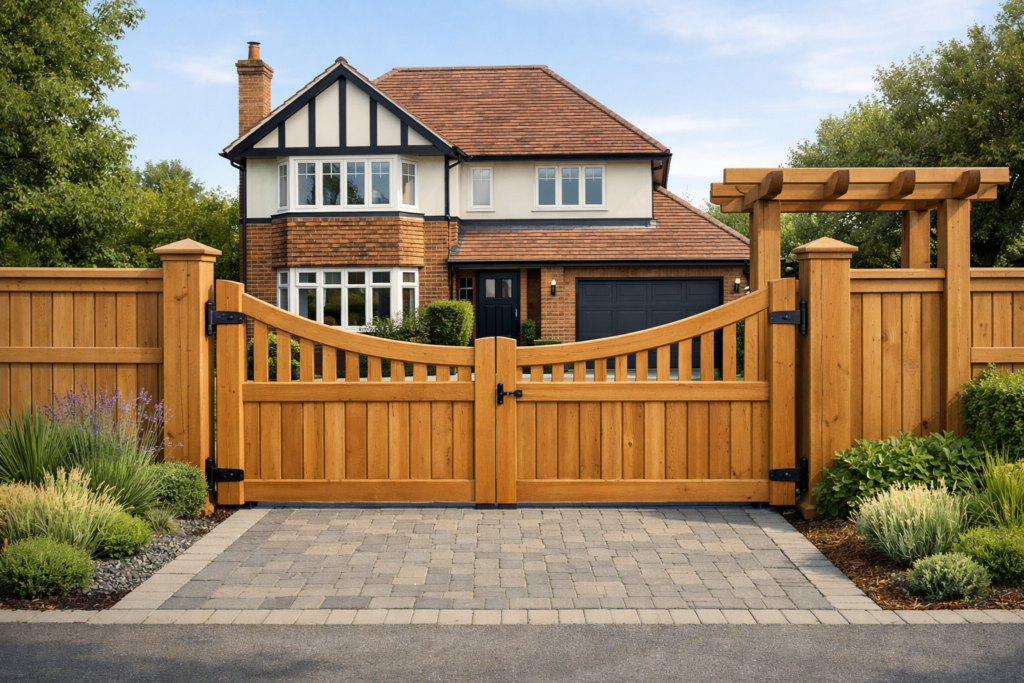
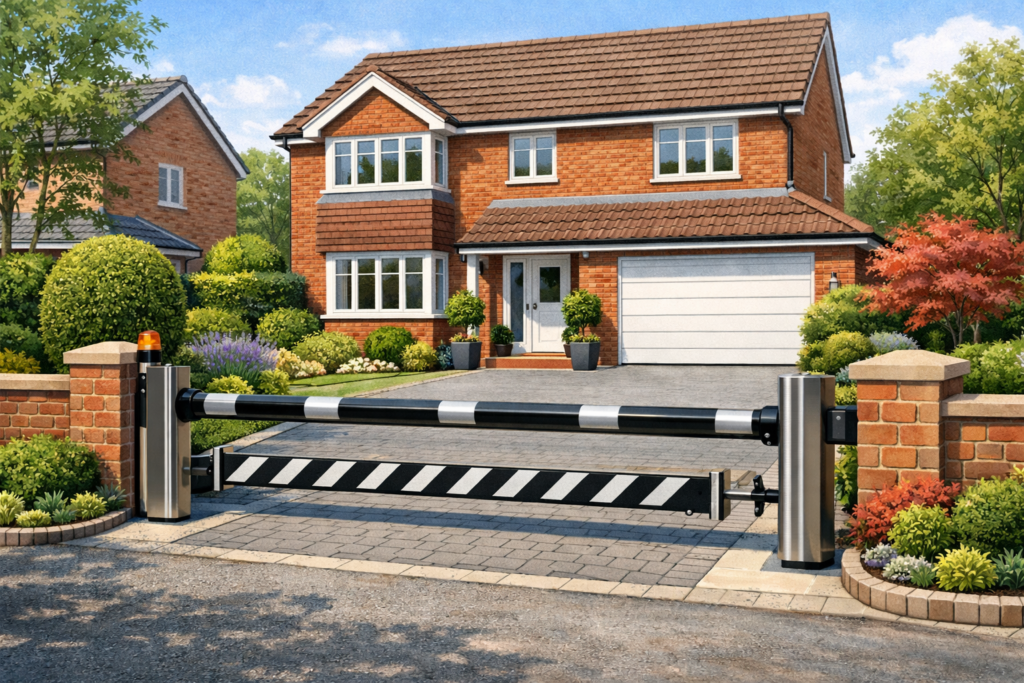
It is also helpful to review the broader frontage. If the driveway is only part of the problem, the design may need to be coordinated with boundary walls, paths, gates or front garden changes.
When you understand the whole picture, it becomes much easier to decide whether a landscape driveway is a genuine improvement or simply an attractive idea that does not suit the property.
What We Get Asked…
Is a landscape driveway suitable for small homes?
It can be, but only if the design is kept simple. On a smaller frontage, too much planting or too many features can reduce the usable parking area and make the space feel cramped.
Will a landscape driveway always need more maintenance?
Usually yes, although the amount varies a lot. A restrained design with durable planting and tidy edging will be far easier to manage than a highly decorative layout with lots of beds and materials.
Can a landscape driveway help with drainage?
Yes, if it is designed properly. Permeable surfacing, thoughtful grading and planted areas can all support better water management, but they should never be added without a proper drainage plan.
Do landscape driveways suit modern homes?
They can, provided the design is clean and controlled. Modern properties often work best with structured planting, simple lines and a limited material palette rather than a heavily ornamental approach.
Is it worth choosing a landscape driveway if parking is tight?
Only if the layout still gives you enough space to park and manoeuvre comfortably. Function should always come before decorative detail on a constrained frontage.
Our Final Thoughts
A landscape driveway can be an excellent choice when you want more than a place to park. It can improve the entrance to your home, soften the front of the property and solve practical issues such as drainage or poor layout.
It is not the right solution for every house, though. If space is limited, maintenance time is tight or access is already awkward, a simpler driveway with carefully chosen finishing touches may serve you better.
The smartest approach is to match the design to the property rather than forcing a style that looks good only in photographs. If you are considering a wider frontage update, start by assessing how much space you really have, how you use it day to day and whether the layout can support both beauty and function.
When you are ready to explore the best option for your home, compare materials, drainage needs and planting choices with a trusted installer so you can make a decision that works for years, not just for the first impression.