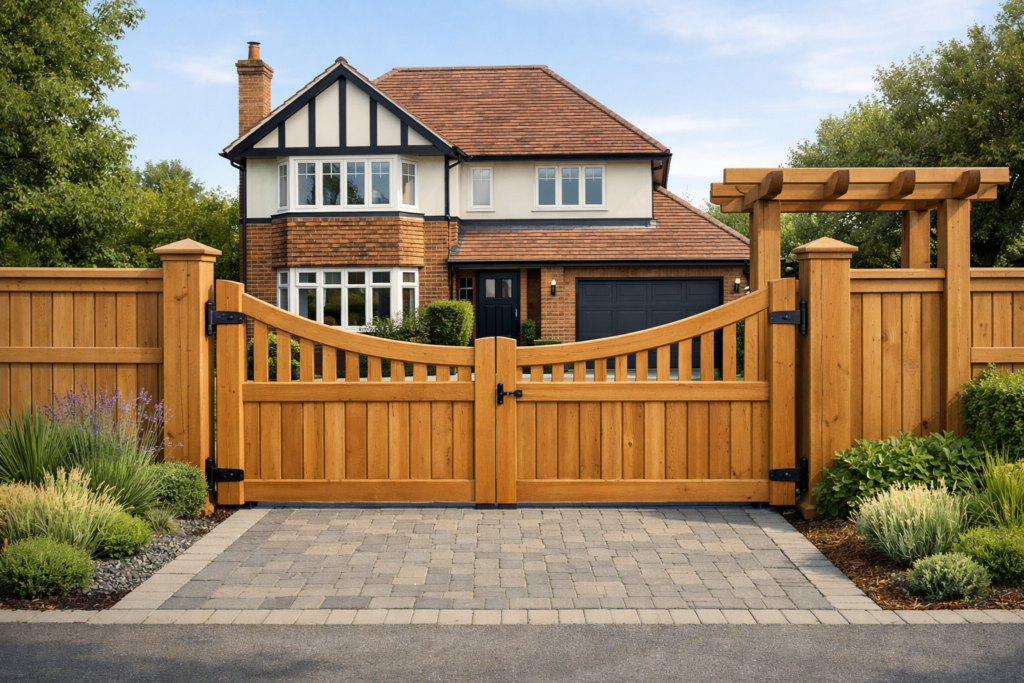
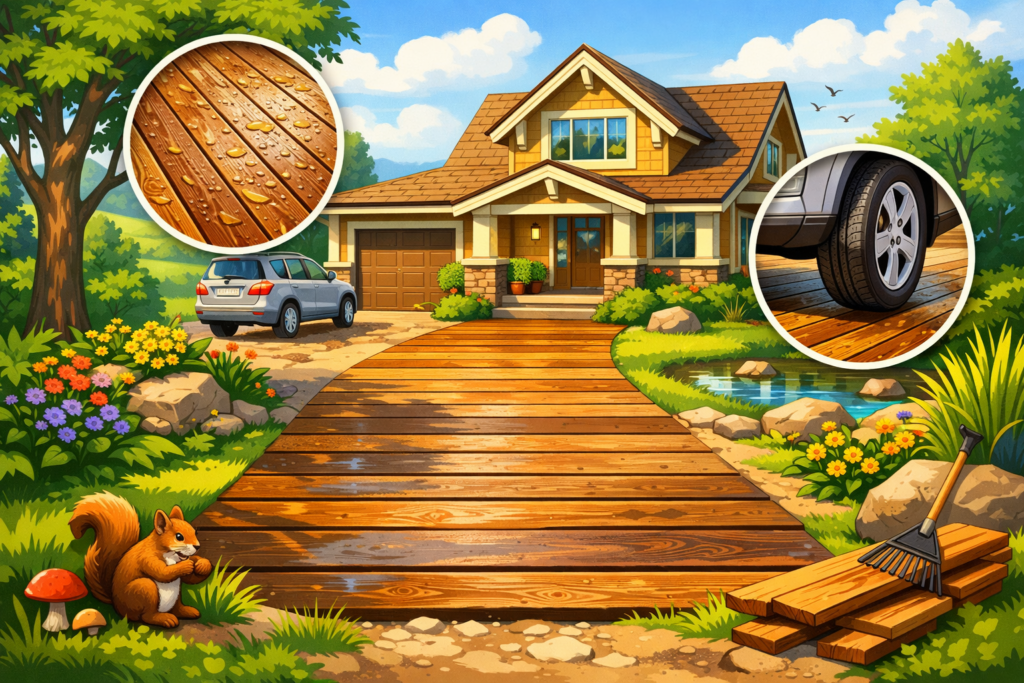
A wooden driveway has an immediate visual appeal that many homeowners find hard to ignore. Timber brings warmth, texture and a softer look than concrete, brick or stone, which can suit both traditional and contemporary properties.
That said, a driveway is a working surface, not just a design feature. It needs to handle vehicle loads, weather, drainage, maintenance and everyday use, so the material choice has to be practical as well as attractive.
The question is not simply whether a wooden driveway looks good. It is whether timber can cope with the demands of your property, your climate and the amount of upkeep you are willing to take on.
What a wooden driveway actually involves
A wooden driveway is usually created using timber boards, sleepers, planks or modular systems designed to form a drivable surface. Depending on the design, the timber may sit on a reinforced base, a supporting frame or a permeable structure that helps with drainage.
This is very different from using loose decorative wood chips or bark, which are not suitable for vehicles. A proper timber driveway needs proper structural support, careful installation and materials selected for outdoor durability.
Some homeowners choose timber because they want a feature that blends with planting, fencing or a natural landscape. Others are drawn to it because it can soften the appearance of a large front parking area and create a more welcoming entrance.
When a wooden driveway can work well
Wood can be a smart choice in the right setting, especially where the driveway is used lightly and the design is carefully planned. It is most likely to suit homes where appearance is a priority and the surface is not expected to withstand constant heavy traffic.
It can work particularly well for:
- Smaller properties with one or two vehicles
- Homes with a strong natural or rural character
- Properties where the driveway is part of a landscaped front garden
- Owners who are comfortable with regular maintenance
- Driveways designed more for parking than frequent turning or heavy loading
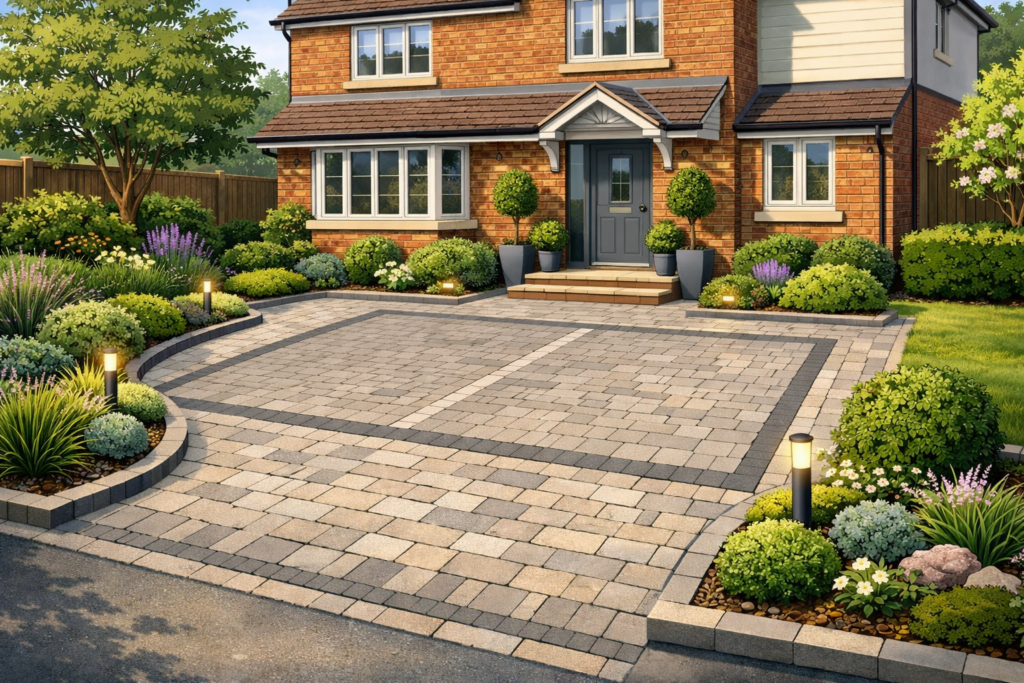
If you are already thinking about how the driveway will sit within the rest of the front garden, it may be worth comparing it with a landscaped driveway. The two ideas often overlap, especially where planting, edging and surface choice all need to work together.
The main benefits of timber as a driveway material
The biggest benefit of wood is its appearance. Timber adds warmth and character in a way that many harder surfaces cannot match, and it can make the front of a home feel more personal and less utilitarian.
Visual appeal is the main reason many people consider it. A timber driveway can suit cottages, barn conversions, period homes and modern homes that want a softer architectural edge.
Natural integration is another advantage. Wood tends to sit more comfortably alongside planting, gravel borders and garden features than some more industrial materials.
Permeability can also be a benefit if the system is designed correctly. Some timber driveway solutions can support drainage better than fully sealed surfaces, which may help where surface water is a concern.
Texture and contrast matter too. A wooden driveway can help break up large expanses of paving and give the front of a property a more layered, designed feel.
Limitations you should think about before choosing wood
Timber is not a low-maintenance, fit-and-forget choice. Even when it is properly treated and installed, it will usually need more care than concrete, block paving or stone.
Weather exposure is one of the biggest issues. Rain, frost, UV light and standing water can all affect timber over time, leading to movement, fading, warping or surface wear.
Slip resistance is another consideration. Wood can become slick when wet or algae-covered, so the finish and the maintenance routine matter a great deal.
Durability under load must also be taken seriously. Timber can be strong enough for vehicle use when properly engineered, but poor installation or weak support will quickly cause problems.
Long-term upkeep is usually higher than many homeowners expect. Treatments, cleaning, inspections and occasional replacement of worn sections are all part of the package.
How climate and drainage affect the decision
Weather conditions play a major part in whether wood is a sensible option. In areas with frequent rain, prolonged damp or strong seasonal changes, timber surfaces need extra attention to remain safe and attractive.
Good drainage is essential. If water sits on the surface or soaks into badly protected timber joints, the lifespan of the driveway may be shortened significantly.
It is worth considering the overall ground conditions around your property, not just the driveway itself. A surface that works in a sheltered, well-drained setting may struggle in a shaded, exposed or uneven area.
If drainage is already a concern, it may help to compare timber with alternatives such as a concrete driveway, which can be engineered for predictable performance in more demanding locations.
Maintenance expectations for a wooden driveway
Maintenance is where many wooden driveway projects succeed or fail. If you want the surface to remain safe and attractive, you need to treat it as an ongoing part of property care rather than a one-off installation.
Typical maintenance may include cleaning off dirt and organic growth, checking for loose boards or fixings, and reapplying protective treatments as recommended by the installer or manufacturer. The exact schedule will depend on the timber type, finish and exposure.
Regular checks are especially important after winter, when freeze-thaw cycles, surface moisture and debris can reveal weak points. Catching small issues early is much easier than repairing structural movement later.
Surface cleaning should be done carefully. Aggressive pressure washing can damage timber fibres or force water into vulnerable areas, so a gentler method is usually better.
Protective treatment may be needed to reduce moisture absorption and slow weathering. Even then, timber is likely to change colour and develop a more aged look over time, which some homeowners enjoy and others do not.
Cost considerations and value for money
A wooden driveway can vary widely in cost depending on the timber specification, structural build-up, drainage requirements and labour involved. It is rarely the cheapest option once proper support and weatherproofing are included.
When comparing value, it helps to think beyond the initial quote. A surface that looks less expensive at the start may cost more over time if repairs, treatments or early replacement become necessary.
Wood may offer good value if appearance is a top priority and you are prepared for the upkeep. It may offer poorer value if you want the lowest possible maintenance or the longest possible service life with minimal intervention.
If budget is a deciding factor, it can be useful to compare timber with a more conventional option such as a new driveway that uses a broader range of mainstream materials. That gives you a clearer sense of where wood sits in terms of practicality and cost.
Style and property type: does wood suit your home?
Wooden driveways tend to work best where the surrounding architecture and landscaping support the material choice. A timber surface can look excellent beside natural stone walls, planting schemes, rendered façades and gardens with a relaxed character.
They may be less convincing on very formal or highly urban properties where a cleaner, harder-edged surface feels more appropriate. In those settings, the warm look of timber can be overpowered or appear out of place.
Traditional homes often benefit from timber when the finish is subtle and well detailed. Contemporary homes can also use wood effectively, especially when the design is minimalist and the boards are paired with restrained planting and neat borders.
The key is coherence. A driveway should feel like part of the property, not a material experiment sitting awkwardly at the front.
Common mistakes homeowners make
One of the most frequent mistakes is choosing wood for appearance alone. If the surface will see regular turning, heavy vehicles or minimal maintenance, the material may not perform as hoped.
Another common issue is underestimating the importance of the base. A beautiful timber finish will not compensate for poor substructure, bad drainage or weak fixings.
Failing to plan for movement can also cause trouble. Timber expands, contracts and reacts to moisture, so installation has to allow for natural behaviour.
Ignoring maintenance access is another problem. If sections are difficult to reach, clean or repair, ongoing care becomes more awkward and more expensive.
Choosing the wrong finish can undermine the whole project. A coating that looks good initially may not offer enough grip, weather protection or longevity for driveway use.
How to decide if it is the right choice
Choosing a wooden driveway is easier when you assess the property honestly rather than focusing only on the visual impact. Start with how the space is used, how often vehicles move across it and how much upkeep you can realistically manage.
Ask yourself whether you want a surface that blends into the garden or one that prioritises hard-wearing practicality. If the driveway is part of a wider outdoor design, timber may be a strong fit. If it is a busy traffic area with little spare time for maintenance, another material may be more sensible.
It also helps to think in terms of long-term ownership. A driveway is part of the home’s front elevation, and the right decision should still make sense years from now, not just on installation day.
What to ask a driveway specialist
If you are seriously considering wood, an experienced installer should be able to explain exactly how the system will be built and maintained. The details matter far more than the headline material.
You should ask about:
- Timber species and treatment
- Expected lifespan in your conditions
- Slip resistance when wet
- Structural support and load capacity
- Drainage design
- Cleaning and maintenance requirements
- Likely repair costs over time
A good contractor will also tell you when timber is not the best option. That honesty is often a sign of proper expertise rather than a lack of confidence.
If you are still comparing surface types, take a look at driveway bricks as another material that offers character with a different maintenance profile. It can be helpful to compare how each option would age at your property.
What We Get Asked…
Are wooden driveways durable enough for cars?
They can be, provided the timber is suitable for outdoor use and the driveway is properly engineered. The quality of the base, drainage and maintenance plan will have a major effect on durability.
Do wooden driveways need sealing?
Most do benefit from protective treatment of some kind. The exact product and frequency depend on the timber used and the manufacturer’s recommendations.
Will a wooden driveway become slippery?
It can if it is not designed and maintained properly. Algae, moss and standing water increase the risk, so grip and cleaning should be part of the planning.
Is wood more expensive than other driveway materials?
It often is once you factor in proper construction and upkeep. The value lies more in appearance and character than in low running costs.
Does a wooden driveway suit modern homes?
Yes, if the design is clean and intentional. Timber can work very well on modern homes when it is paired with simple landscaping and crisp detailing.
Our Final Thoughts
A wooden driveway can be a distinctive and attractive choice, but only when it suits the property and the way the space will be used. Its strengths are warmth, character and natural appeal, while its main drawbacks are maintenance, weather sensitivity and the need for proper installation.
If you value style and are prepared to care for the surface, timber may be a rewarding option. If you want the lowest maintenance or the most hard-wearing solution, it may be wiser to explore other materials first.
The best next step is to compare the practical demands of your home with the look you want to achieve, then speak to a specialist who can assess the site properly. That way, you can choose a driveway that works well on day one and continues to suit your home for years to come.