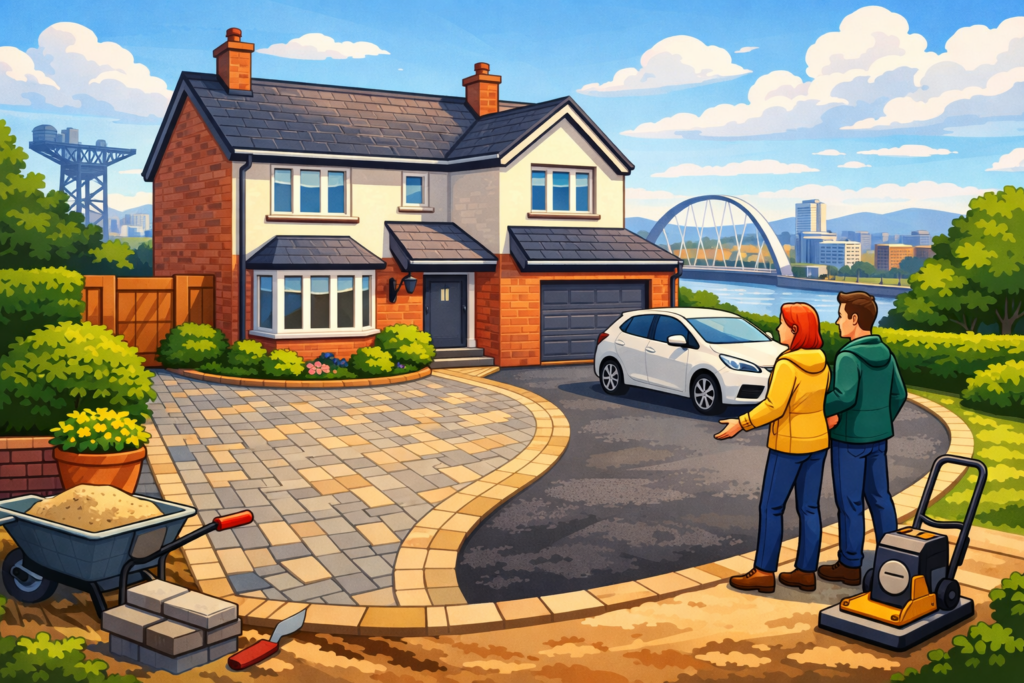
A well-planned driveway can improve parking, reduce stress on busy mornings and lift the look of your home straight away. In Bristol, where properties range from Victorian terraces to newer family homes and steep suburban plots, the right driveway needs to do more than look smart. It has to suit the space, work with the slope, handle rainfall and fit the character of the house.
That is why it helps to think carefully before making any decisions. A driveway can be a worthwhile investment, but only if the design matches your property, your access needs and your budget. The best results come from balancing appearance with practicality, rather than choosing a surface purely because it looks appealing.
Why a driveway matters for Bristol homes
Bristol is a city where parking can be limited and street space is often at a premium. For many homeowners, having a dedicated driveway removes the hassle of searching for parking and improves day-to-day convenience. It can also make a property feel more secure and more organised at the front.
Kerb appeal matters too, especially if you are planning to sell in the future. A well-finished driveway can make a house appear cared for and easier to maintain, which often creates a stronger first impression. That said, a poor installation or unsuitable material can have the opposite effect and make the entrance feel awkward or dated.
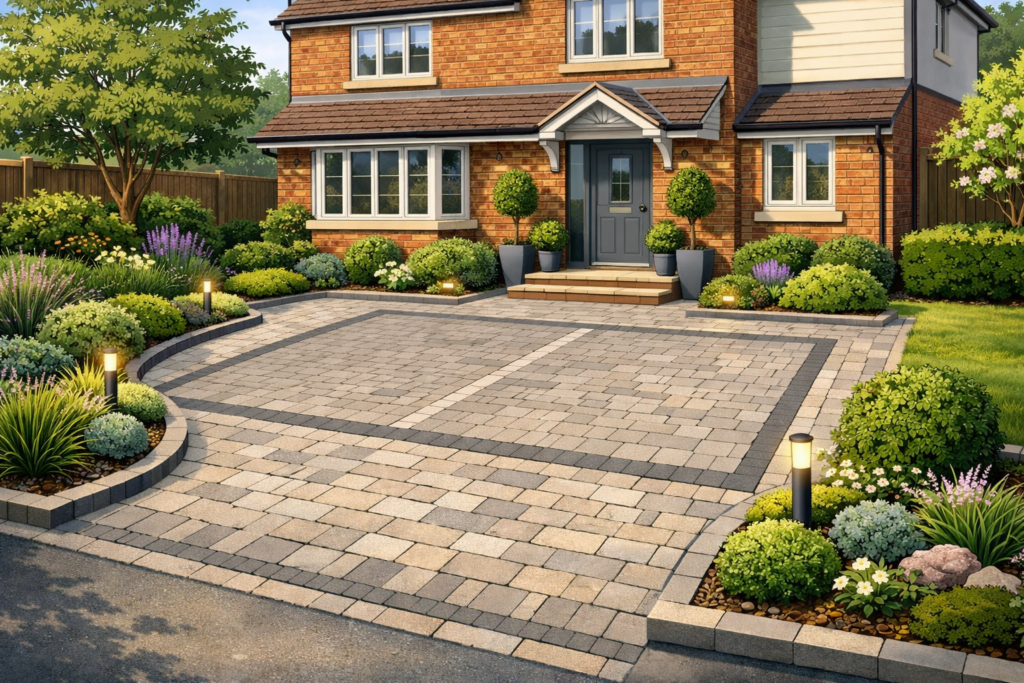
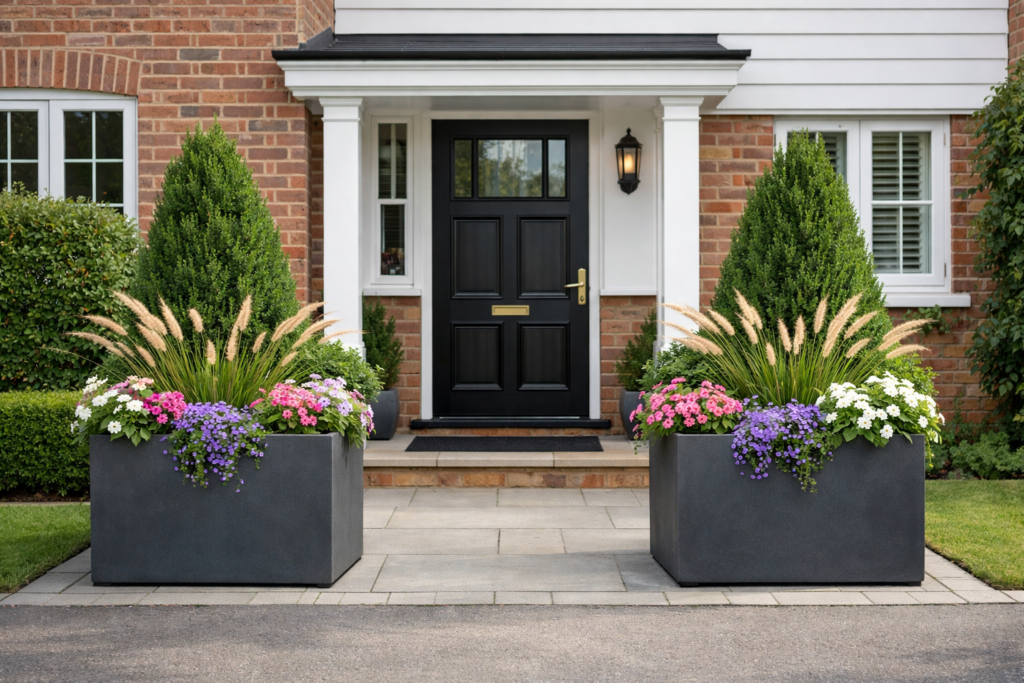
If you are also thinking about wider improvements to the front of your home, a driveway often works best as part of a broader plan. A landscaped driveway approach can help the whole frontage feel more cohesive, especially where planting, pathways and boundary treatment all need to work together.
When a driveway is a strong fit
Some homes are naturally well suited to a new driveway. If your property has enough front garden space, a sensible access point and a surface that can be adapted to local drainage conditions, the project can be straightforward and rewarding. It can also be a useful way to make better use of land that is currently underused.
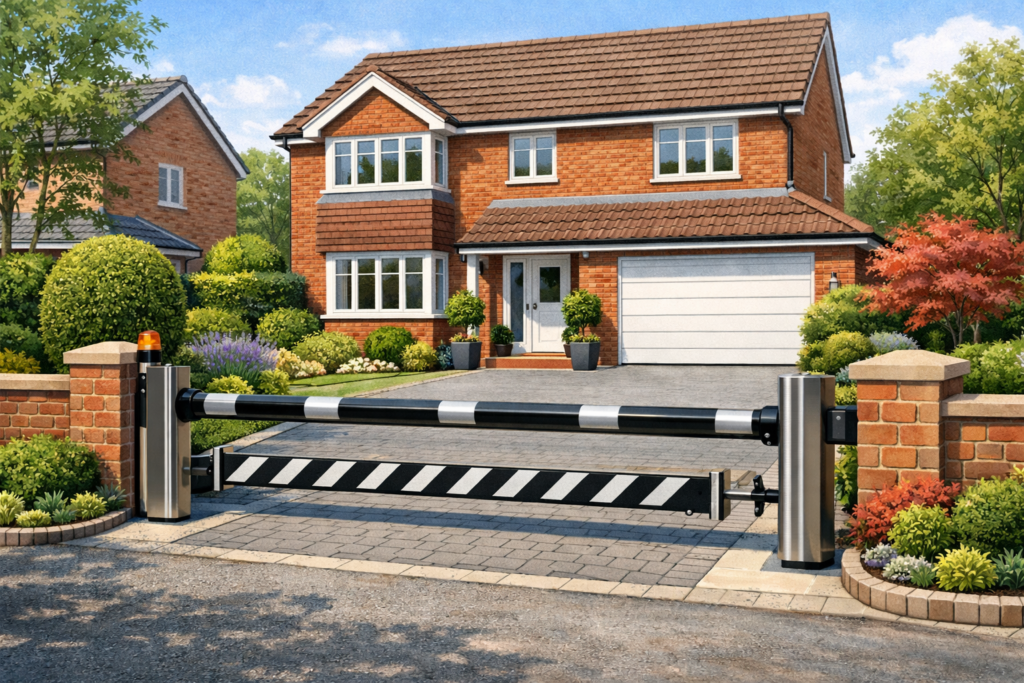
A driveway tends to be a strong option when you want easier access for family vehicles, visitors or deliveries. It is also useful where on-street parking is unreliable or where the road layout makes manoeuvring difficult. In these situations, the convenience of off-street parking often outweighs the cost and disruption of installation.
Homes with tired or cracked existing surfaces can also benefit. Replacing an unstable or poorly drained drive may improve safety, reduce maintenance and make the front of the property much easier to keep tidy. If your current surface is failing, it is often worth exploring whether a new driveway could solve several problems at once.
Common Bristol property factors to think about
Bristol homes are varied, and that variety affects what type of driveway will work best. A flat suburban plot has very different requirements from a steep hillside property or a narrow urban frontage. The right decision starts with a realistic assessment of what your land can support.
Space is one of the biggest considerations. If the frontage is tight, the driveway has to be designed carefully so that cars can enter, turn and park without blocking doors, steps or paths. On smaller plots, the layout can matter as much as the material, because a smart design can make limited space feel much more usable.
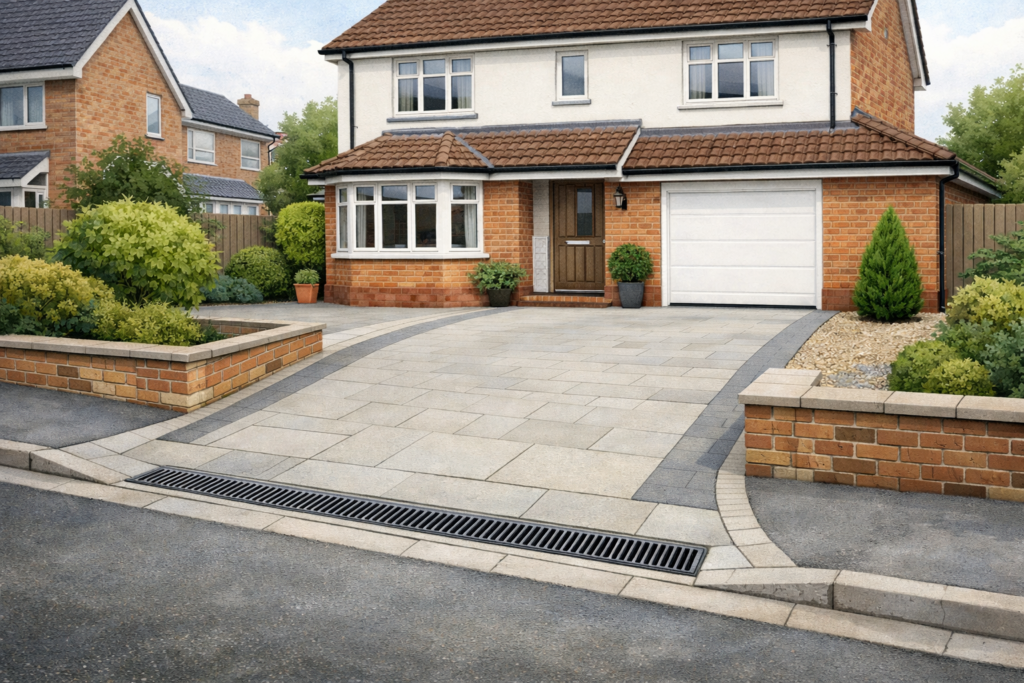
Drainage is another major issue in Bristol. Heavy rain and sloping ground can create standing water if the surface is not planned correctly. That means you need to think about soakaways, permeable options and the fall of the land before work begins, not after.
Choosing the right surface for your home
The surface you choose will affect the appearance, durability and maintenance requirements of the driveway. It also influences how well the area handles weather, weight and frequent use. There is no single best option, only a surface that is right for your home and routine.
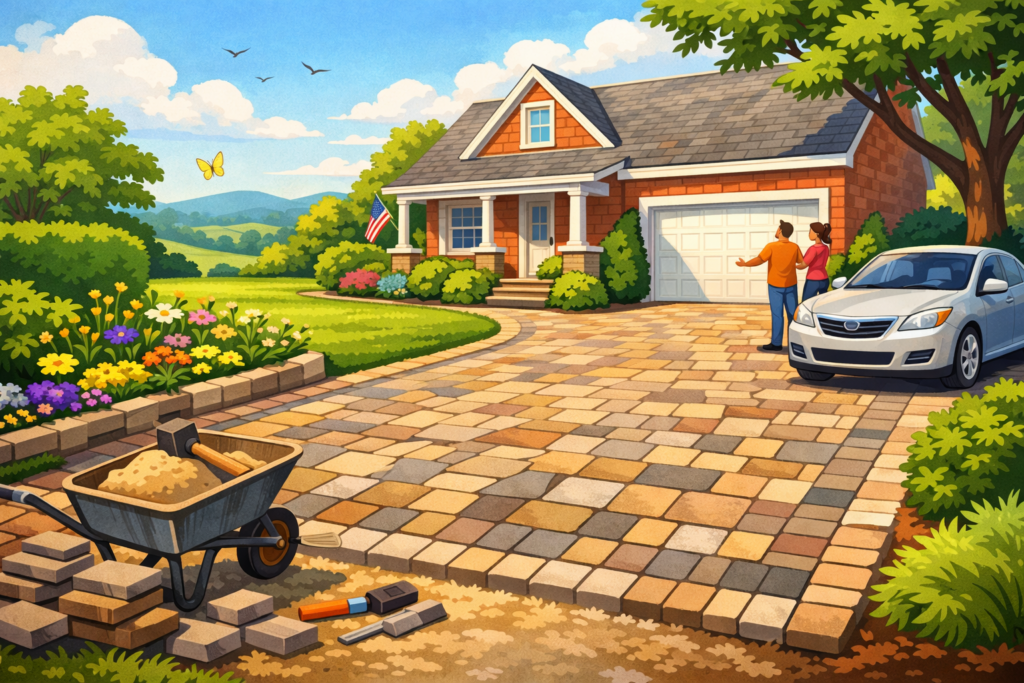
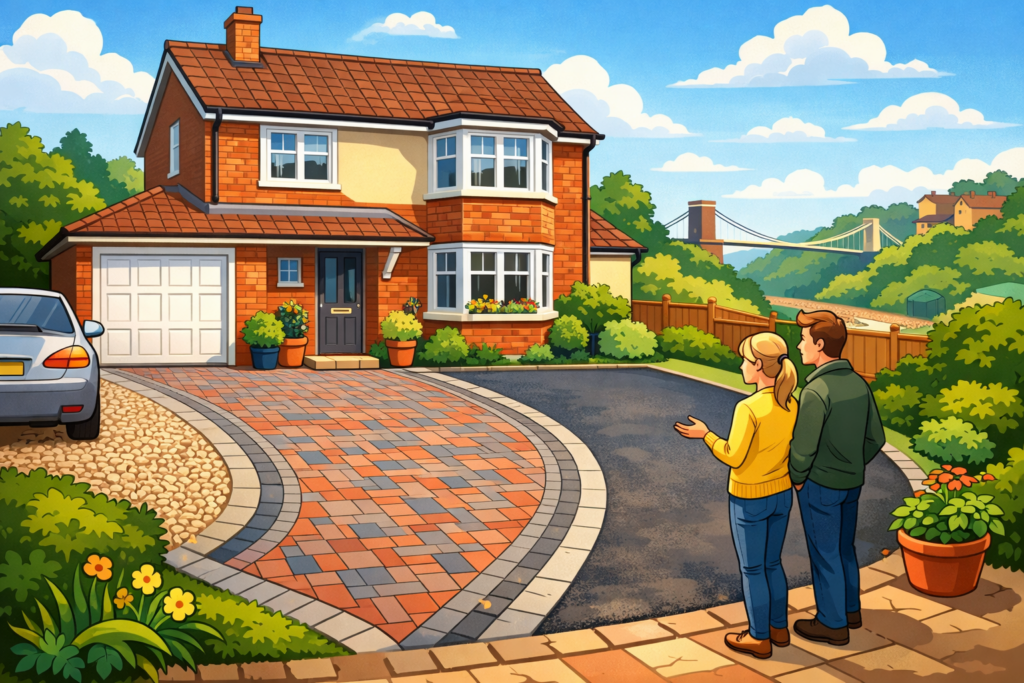
Block paving is popular because it offers a neat finish and a wide range of patterns and colours. It can suit both traditional and modern properties, and it allows for a tailored look. The downside is that it needs proper installation and occasional maintenance to keep weeds and movement under control.
Resin-bound finishes are often chosen for their clean appearance and permeability. They can be an excellent choice where drainage is important and a smooth, low-maintenance surface is preferred. However, the base preparation has to be excellent, and the finish may not suit every period property.
Gravel is often more affordable and can work well for larger frontages or more rural-feeling homes. It creates a softer look and can help water drain naturally, but it may need topping up and regular raking. It is also less suitable if you need a completely quiet or wheelchair-friendly finish.
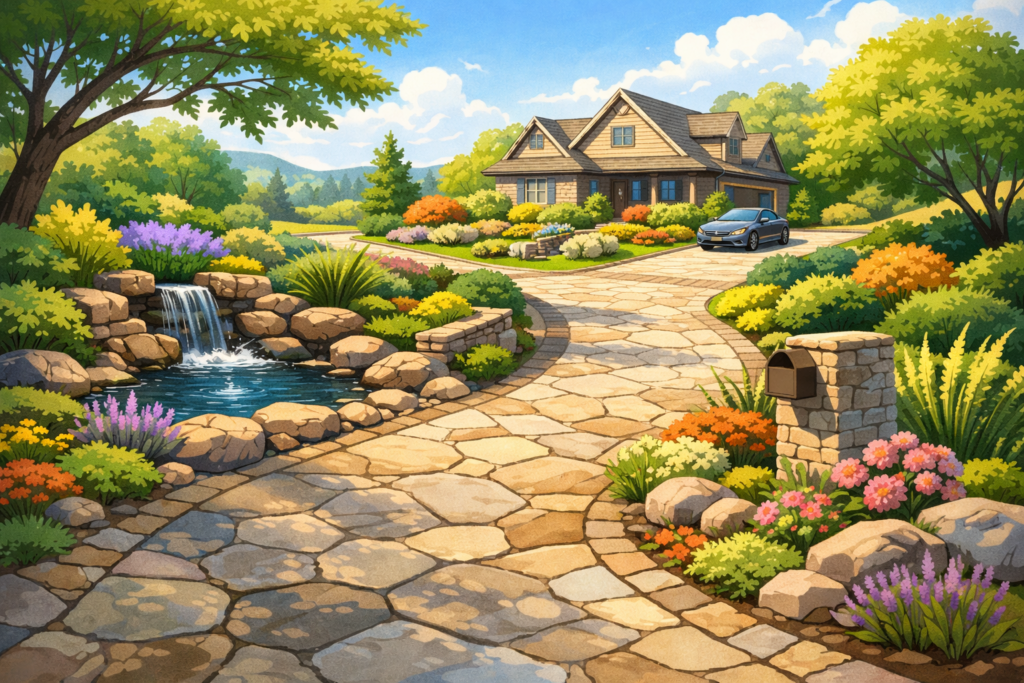
Stone driveways can bring texture and character, especially where a more natural appearance is desired. If you are considering that style, it may be useful to compare the pros and cons of an is a stone driveway right for your home approach against other surface options.
Brick driveways offer a classic finish that can work beautifully with traditional brick-built homes. They are generally durable and visually appealing, although the laying pattern and sub-base need to be done properly for the result to last. You may also want to weigh up whether driveway bricks suit the style and maintenance level you are comfortable with.
Drainage and planning concerns you should not ignore
One of the biggest mistakes homeowners make is focusing on appearance before drainage. A driveway that looks good but channels water towards the house can cause long-term problems, including damp, surface damage and nuisance pooling. In a city like Bristol, where weather conditions can change quickly, drainage needs to be built into the design from the beginning.
Permeable materials can help, but they are not a complete solution on their own. The sub-base, ground levels and edging all affect how water moves across and through the surface. If you have a slope, the design may need extra planning so that water is directed safely away from structures and neighbouring boundaries.
Planning permission is another point to check. Some driveway projects fall within permitted development, while others may require approval depending on size, layout and drainage. It is always sensible to confirm the rules before starting, particularly if the front garden will be largely replaced with hardstanding.
How to judge whether it is worth the investment
The value of a driveway is not only financial. It is also about how much easier it makes daily life, how the property feels to live in and how much maintenance it removes from the front of the house. For many homeowners, those practical gains are the real reason to invest.
If off-street parking would save time and reduce stress, the project may make sense even if the return is not immediate. It can also add appeal for future buyers, particularly in areas where parking is limited or street parking is congested. A well-made driveway can therefore support both present convenience and future marketability.
It is still important to keep expectations realistic. Not every driveway delivers the same uplift in value, and the result depends on quality, location and design. A simple, well-finished installation that suits the property is usually more effective than an overcomplicated design that feels out of place.
Practical design choices that make a difference
Good driveway design is about more than the surface itself. The shape, edging, access width and turning space all affect how the driveway performs once it is in daily use. If these details are overlooked, even a high-quality surface can become frustrating to use.
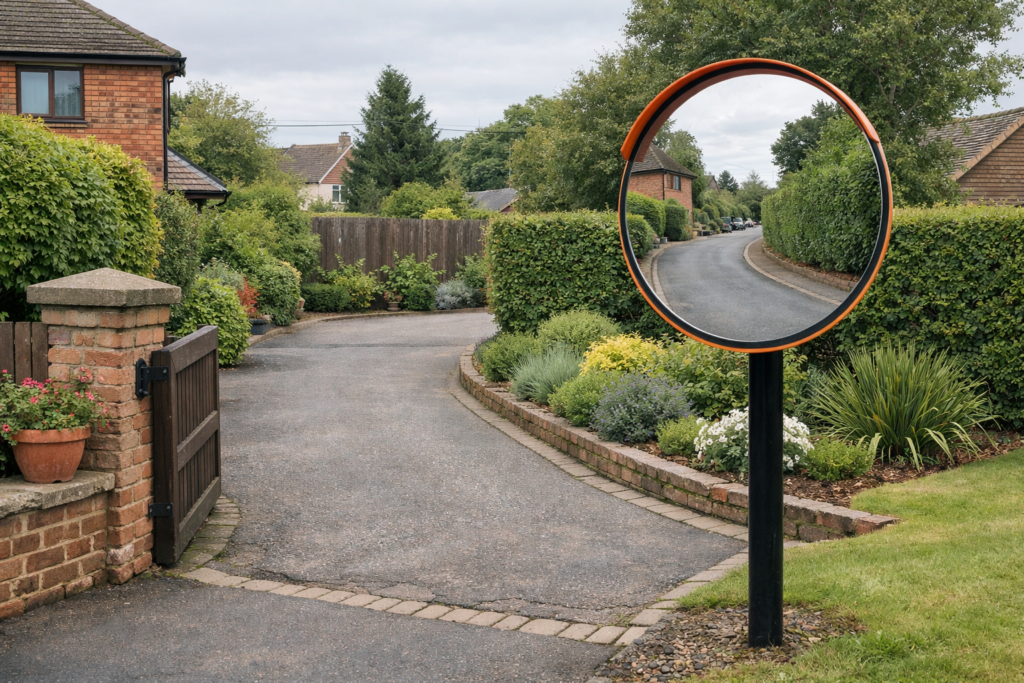
Access and manoeuvring should be considered early. You may need enough width to open car doors comfortably, or a layout that allows vehicles to turn without repeated reversing. This matters especially on narrow plots, where every metre counts.
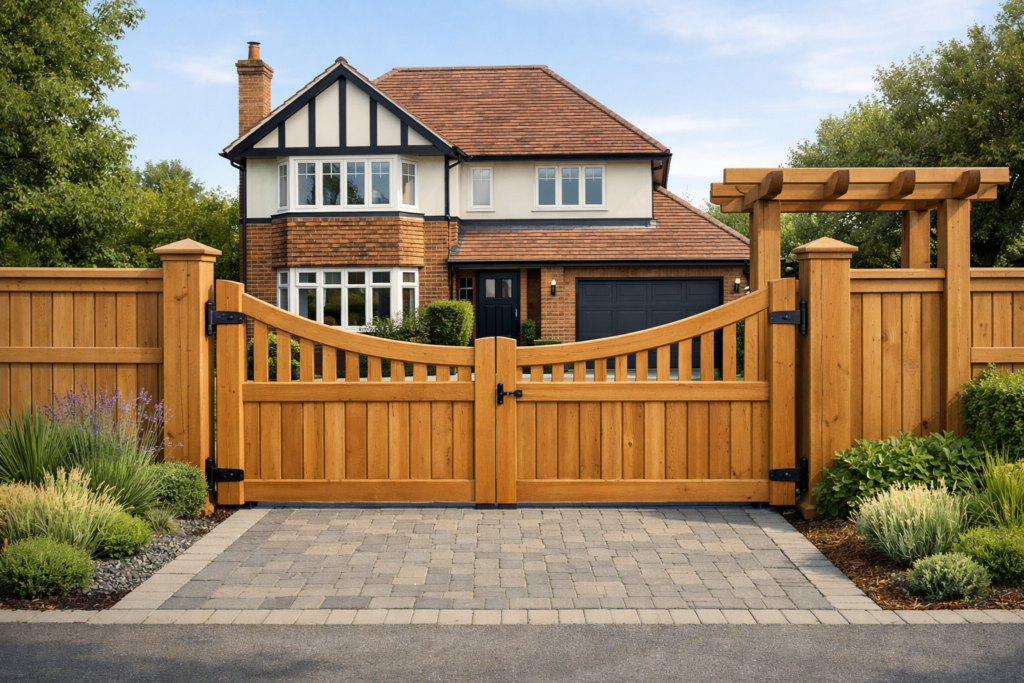
Edging and boundaries can help the driveway feel finished and stop the surface spreading or breaking up. They also define the parking area clearly, which is useful where front gardens blend into paths or planting beds. A tidy edge can make a modest driveway look much more intentional.
Lighting and visibility are worth thinking about if your drive is used often after dark. Low-level lighting or well-positioned lamps can make the space safer and easier to use. They can also improve the overall appearance of the entrance without making it feel overdesigned.
Common mistakes to avoid
Many driveway problems come from rushing the decision. Choosing a material because it is fashionable, without considering the property style or level of use, can lead to disappointment. The same is true of picking the cheapest option without checking whether it will cope with the ground conditions.
Another frequent issue is underestimating maintenance. Some surfaces need regular weeding, brushing, sealing or topping up, and that should be factored into the decision from day one. If you want something that stays neat with minimal effort, make sure the material and finish support that aim.
Homeowners also sometimes ignore how the driveway fits into the wider front garden. A surface that dominates the frontage can make the home feel hard and unwelcoming. In contrast, a more balanced approach can improve both practicality and street appeal.
What to ask before you commit
Before agreeing to any work, it helps to ask a few honest questions about how the driveway will function over time. Will it handle the number of vehicles you actually own? Will it cope with rain without puddling? Will the look still suit the house in five or ten years?
You should also think about maintenance and access. If you have young children, mobility concerns or frequent deliveries, the surface needs to be practical as well as attractive. For some households, a simple, durable layout is more valuable than a decorative finish.
If you are still comparing possibilities, looking at similar property types can help. A driveways company may be able to assess your site and suggest options that are more realistic than an off-the-shelf idea. That can save both time and expensive changes later.
What We Get Asked…
Do I need a driveway if parking is already available on the street?
Not always, but off-street parking can make daily life easier and may improve convenience and security. If street parking is unreliable or tight, a driveway can be a worthwhile upgrade.
Which driveway surface is easiest to maintain?
That depends on the finish and the installation quality, but resin-bound surfaces are often chosen for lower maintenance. Gravel and block paving can also work well if you are happy with occasional upkeep.
Will a driveway suit a period Bristol home?
Yes, provided the design respects the character of the property. Materials, edging and layout should all be chosen carefully so the driveway feels like part of the house rather than an afterthought.
Is drainage really that important?
Yes, because poor drainage can cause standing water, surface damage and long-term issues near the house. It should be planned as part of the design, not treated as an extra detail.
Our Final Thoughts
A driveway can be an excellent addition to a Bristol home, but only when it is designed with the property in mind. The best choice balances appearance, access, drainage and maintenance rather than chasing a one-size-fits-all solution.
If you are weighing up your options, start with the practical needs of your home and then match the material to those requirements. That approach gives you a better chance of creating an entrance that feels useful today and still looks right years from now.
When you are ready to take the next step, speak to a trusted local specialist and ask for advice tailored to your plot, your budget and the style of your property. A well-planned driveway is one of the most effective ways to improve the way your home works every day.