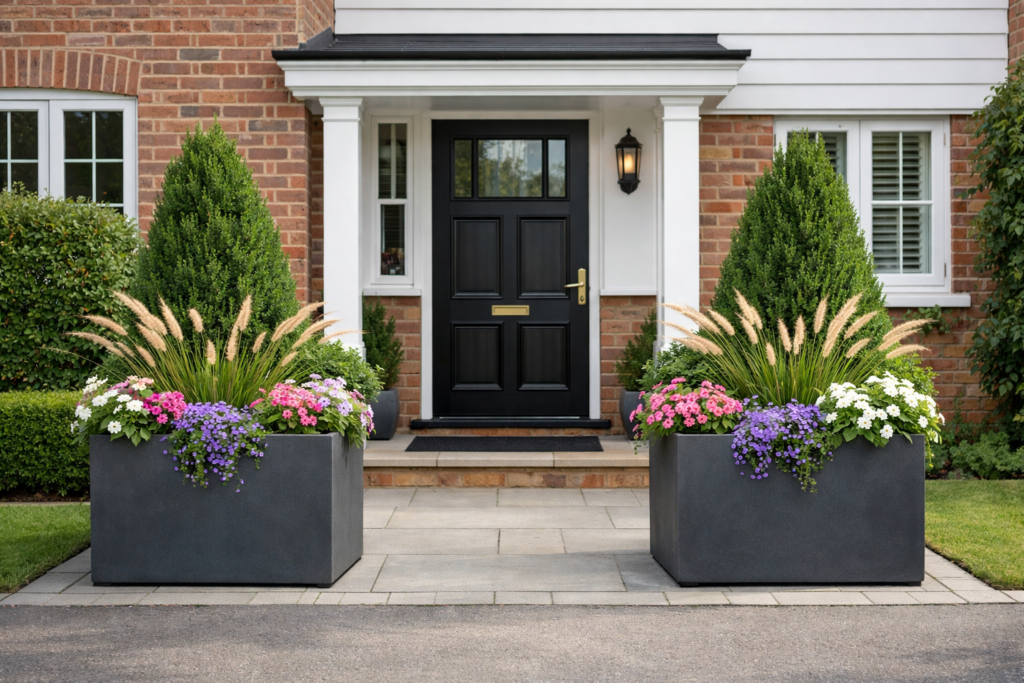
Driveway planters can transform an ordinary entrance into something far more inviting. They add colour, texture and structure, while also helping a front drive feel less exposed and more considered.
That said, a planter placed in the wrong position can cause more frustration than value. It may reduce turning space, interrupt visibility, or become awkward to maintain if the materials and planting choices do not suit the site.
The best driveway planters do more than look attractive. They work with the layout of the property, the amount of available space, and the way the driveway is used every day.
Why driveway planters matter
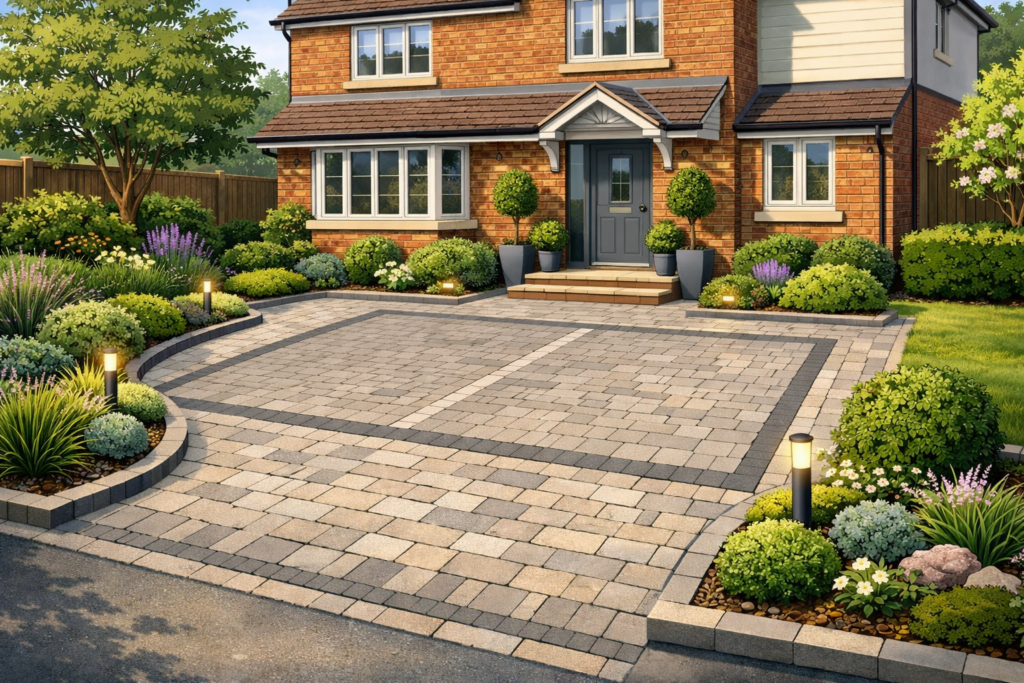
Front gardens and driveways often set the tone for the rest of the home. A well-placed planter can soften the hard surfaces of paving, blockwork or tarmac, making the entrance feel calmer and more welcoming.
For many homes, the front drive is visible from the street all year round. That makes it one of the most valuable places to improve kerb appeal without committing to a major landscaping project.
They can also help define the edge of the drive. This is useful where the boundary feels unclear, or where cars, footpaths and planting areas need to be separated neatly.
Where driveway planters work best
Driveway planters are most effective when the layout already has enough room to accommodate them. A broad drive, a generous turning bay or a frontage with unused corners can all suit planters well.
They are also a strong option for homes with plain or heavily surfaced frontages. If the entrance feels stark, planters provide a way to introduce warmth and shape without changing the whole driveway.
Homes with a clear pedestrian route can benefit too. A planter near the front gate or beside the path can guide visitors naturally towards the door, while still keeping the drive practical for vehicles.
For more ideas on balancing planting with hard landscaping, see driveway plants and practical design.
The main benefits of driveway planters
There are several good reasons homeowners choose planters at the front of the property. The appeal is not only visual, although that is often the first thing people notice.
Improved kerb appeal: A well-chosen planter can make a home look more cared for and more distinctive. This can be particularly useful if the frontage needs a refresh but a full redesign is not on the cards.
Softening hard landscaping: Large areas of paving can feel harsh or monotonous. Planters introduce living material that breaks up the surface and helps the driveway feel more balanced.
Flexible design: Unlike permanent borders, planters can be moved, replaced or updated if the layout changes. This makes them useful for homeowners who want some design freedom.
Seasonal interest: They allow planting to be refreshed through the year. Spring bulbs, summer colour, autumn foliage and winter structure can all keep the front of the house looking lively.
Better spatial definition: In larger driveways, planters can help divide the area into purposeful zones. They may mark parking space, guide movement or frame the entrance to the property.
Potential drawbacks to think about
Despite their advantages, driveway planters are not suitable in every situation. The biggest risk is choosing style over practicality and creating problems that affect everyday use.
Loss of manoeuvring space: Planters placed too close to turning areas can make parking more awkward. Even a small obstruction can be irritating if it changes how a car needs to enter or exit the drive.
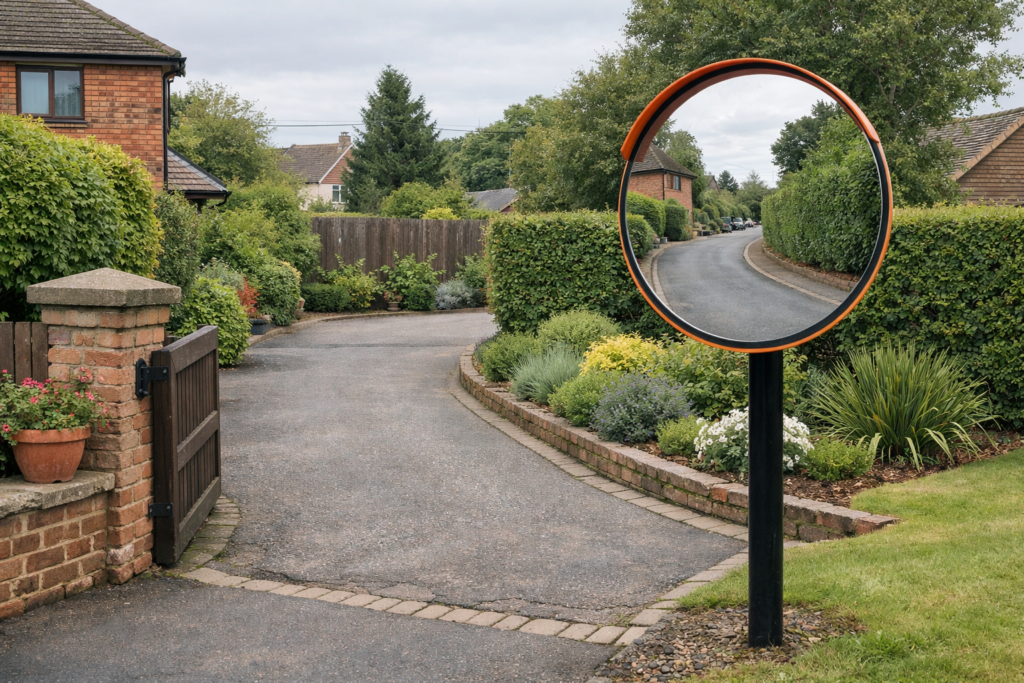
Visibility issues: Tall planting can block sightlines, which matters at junctions, shared entrances or blind spots near the road. Low planters are often safer where visibility is important.
Maintenance demands: Some planters need regular watering, feeding, pruning and replacement planting. If the front of the property is not easy to access, upkeep can become a burden.
Weather exposure: The front of a home usually faces wind, heat, frost and reflected glare from paving. Plants that look good in a sheltered border may struggle in an exposed driveway setting.
Damage risk: If a planter sits too close to a wheel path, bumpers and tyres can chip the container or crush the planting. This is especially likely on narrower drives.
Choosing the right planter style
The planter itself matters as much as the plants inside it. A good match will feel proportionate to the driveway, suit the architecture and cope with the local conditions.
Size and scale: A tiny planter can look lost in a large driveway, while an oversized container can dominate a compact entrance. The aim is balance, not overload.
Material choice: Stone, concrete, timber, metal and composite planters all have different strengths. Heavy materials tend to be more stable, while lighter options may be easier to reposition but more vulnerable to movement in strong winds.
Shape and finish: Rectangular planters work well in modern settings and alongside straight drive edges. Curved or tapered designs can soften more traditional properties, but they should still feel purposeful rather than decorative for decoration’s sake.
Drainage: Any planter used outdoors must drain properly. Without drainage holes or a suitable base layer, roots can become waterlogged and plants may fail, especially during wet British winters.
Homeowners considering a more structured frontage may also find a landscaped driveway approach helpful when planning the wider setting.
What to plant in driveway planters
The best planting choices are usually those that can cope with a front-facing, exposed location. Attractive planting is important, but resilience should come first.
Evergreen shrubs are often a reliable base because they hold shape through the year and provide structure even in winter. Compact varieties can work particularly well in planters where space is limited.
Ornamental grasses can add movement and soften a rigid driveway layout. They are often low maintenance and can handle windy conditions better than more delicate plants.
Flowering plants are useful if you want seasonal impact, but they work best when paired with structural planting. That keeps the display from looking empty once the blooms fade.
Herbs, trailing plants and small clipped topiary can also suit driveway planters, depending on the style of the home. The key is to avoid anything likely to outgrow the container quickly.
Choose planting based on sunlight, shade and exposure rather than appearance alone. A plant that thrives in a sheltered back garden may struggle near a driveway that reflects heat and catches the wind.
Practical design tips for a better result
Thoughtful planning makes the difference between a planter that improves the drive and one that gets in the way. The best results come from treating the planter as part of the whole frontage.
Keep circulation clear: Leave enough room for doors to open fully, boot access and safe movement around the car. A planter should complement movement, not interrupt it.
Use repetition carefully: Matching planters on either side of a drive can create a smart entrance, but too many identical containers can look rigid. A slight variation in height or planting can feel more natural.
Think about winter: Front gardens often look bare in colder months, so choose plants that still offer shape and texture. Evergreen structure is especially useful here.
Match the property: A crisp, contemporary house may suit a clean-lined planter, while a period home often looks better with a more traditional finish. The aim is harmony rather than contrast for its own sake.
Plan for watering: Container plants dry out faster than those in open ground. If the driveway is far from a tap, or if the planter is hard to reach, select drought-tolerant planting or consider a simple irrigation solution.
Common mistakes homeowners make
Many problems with driveway planters come from underestimating how the drive is used day to day. What looks elegant on the first day can become inconvenient once vehicles, deliveries and weather are taken into account.
One common mistake is placing planters where they interfere with opening car doors. Another is choosing a planter that is too shallow for the plants selected, which leads to poor growth and frequent replacement.
Overcrowding is another issue. A neat planter can quickly become cluttered if too many species are squeezed into one container, especially if they grow at different rates.
It is also easy to forget how the planter will look in poor weather. A faded container, tired planting scheme or cracked base can undermine the appearance of the whole frontage.
When driveway planters may not be the right choice
There are some homes where driveway planters simply do not make sense. If parking space is already tight, adding containers may make manoeuvring more difficult than it is worth.
They may also be less suitable for households that need very low maintenance frontages. If the property is used frequently, or if no one is available to water and tidy planting, the display may quickly decline.
In some cases, a different improvement may be more effective. A better surfacing choice, stronger edging or a cleaner layout may do more for the space than a collection of planters.
If your front entrance needs a broader rethink, it may be worth comparing the visual impact with options such as driveway bricks for kerb appeal or more extensive hard landscaping changes.
Driveway planters and everyday practicality
Practicality should always sit alongside appearance. A planter at the front of a home has to cope with boots, bins, parcels, children, pets and weather, not just look attractive in summer.
That means materials should be durable, planting should be resilient, and the position should not create a hazard when reversing or unloading the car. Low, stable planters tend to perform better than tall or flimsy ones in active front drives.
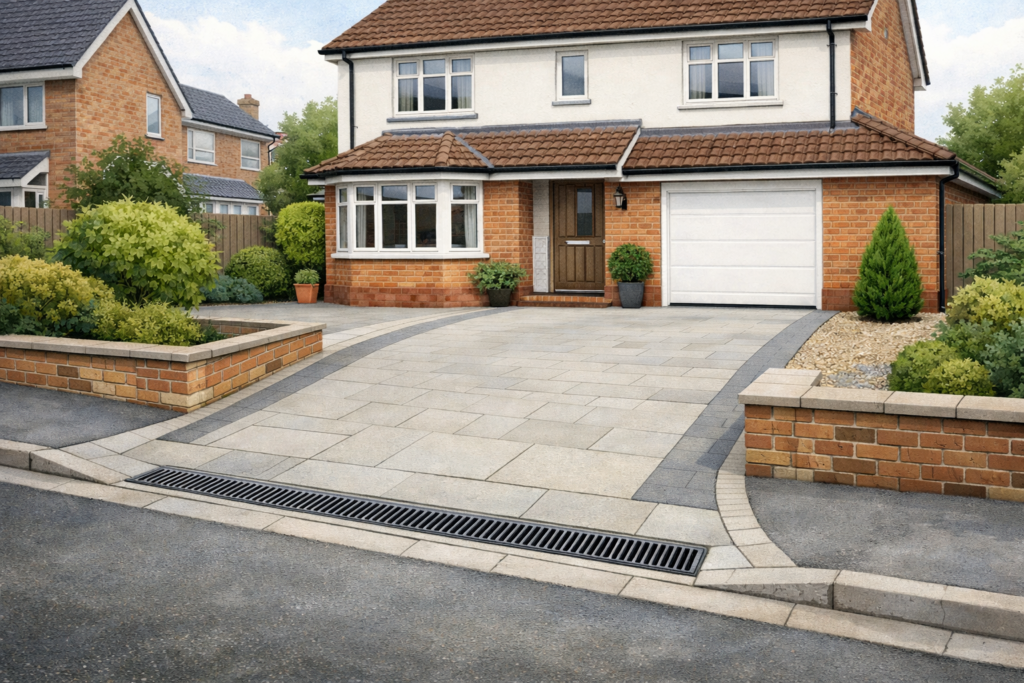
It is also worth checking how the planter affects cleaning and drainage. Water should not collect around the base or run onto the drive in a way that creates staining, moss growth or slippery patches.
What We Get Asked…
Do driveway planters need much maintenance?
That depends on the size of the planter and the plants chosen. Evergreen and drought-tolerant planting usually needs less attention, while seasonal bedding and thirsty containers will need more regular care.
Are driveway planters suitable for small front gardens?
They can be, but only if they do not reduce parking or turning space. In smaller areas, one carefully placed planter is often better than several containers.
What is the safest height for driveway planters?
Lower planters are usually safest near roads, entrances and parking areas because they preserve visibility. Taller planting can work further from the drive, where it will not affect sightlines.
Can driveway planters improve property value?
They can support a stronger first impression and make the frontage feel more cared for. They are unlikely to transform value on their own, but they may contribute positively when combined with good surfacing and tidy landscaping.
Our Final Thoughts
Driveway planters can be a very good choice when they are designed around the realities of the space. They offer colour, structure and a more welcoming entrance, while helping a frontage feel less hard and more considered.
The best results come from careful placement, durable materials and planting that suits exposure, drainage and maintenance needs. If any of those elements are overlooked, the planter can become more of a hindrance than an improvement.
For homeowners weighing up whether this is the right addition, the decision usually comes down to balance. If there is enough space, the design suits the house and the upkeep feels manageable, driveway planters can be a simple but effective way to enhance the home.
If you are planning wider changes to the front of your property, explore related ideas and compare them against your budget, space and daily routine. A thoughtful choice now can save time, reduce frustration and leave you with an entrance that looks good throughout the year.