Driveway barriers can be a simple way to control who uses your property, improve safety and give the front of a home a more organised feel. For some households, they provide a welcome layer of privacy and reassurance, while for others they can feel restrictive or unnecessary.
The right choice depends on how you use your driveway, what your home looks like and how much access you need every day. A barrier that works well at a busy family house may be awkward for a home with frequent visitors, several vehicles or limited turning space.
That is why it helps to look beyond appearances and consider practicality, planning and long-term upkeep. A well-chosen driveway barrier can support the wider layout of your entrance, particularly if you have already invested in features such as driveway plants or a carefully designed front garden.
What driveway barriers actually do
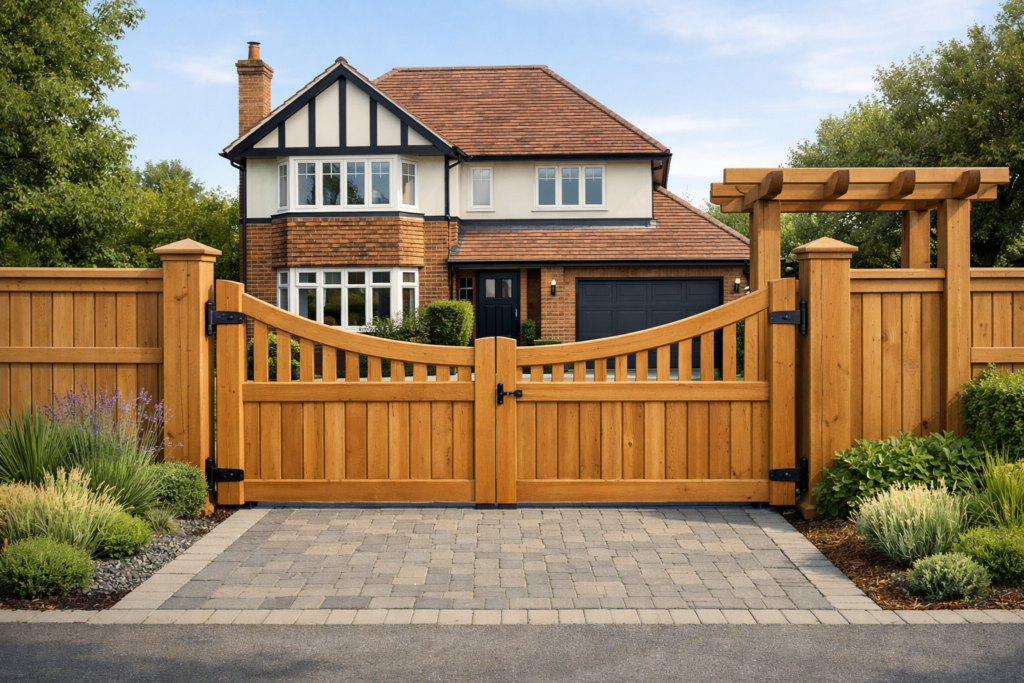
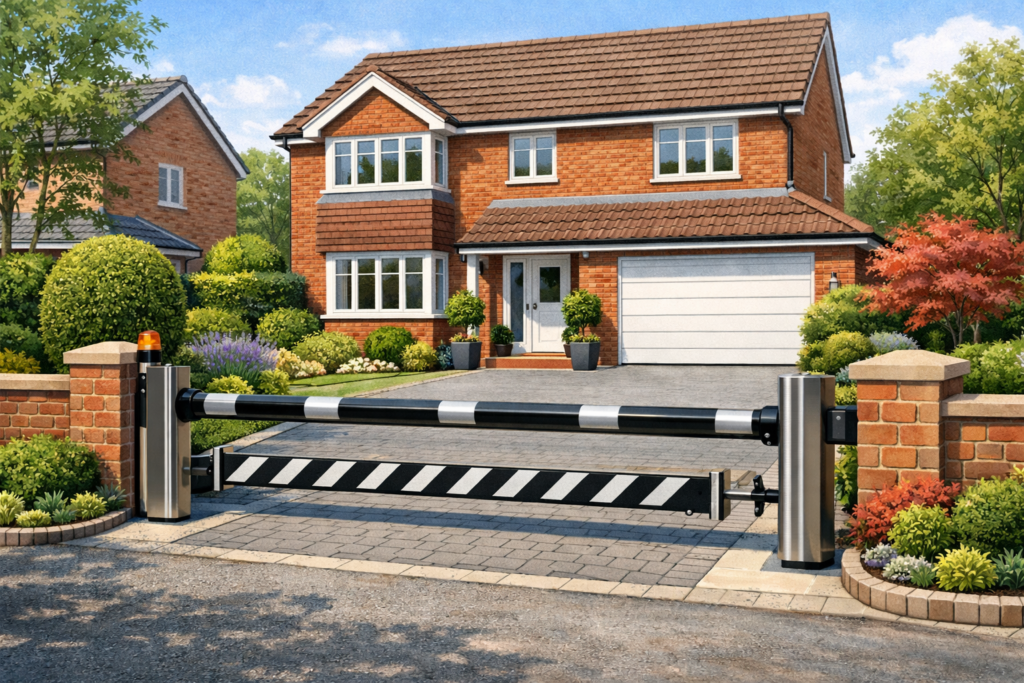
Driveway barriers are physical or visual controls installed at the entrance to a drive. They may be manual gates, rising arms, bollards, posts, chain systems or decorative barriers that mark the boundary without fully blocking access.
Their purpose can vary quite a lot. Some homeowners use them mainly to discourage parking by others, while others want to improve security, stop children or pets wandering towards the road, or create a more private entrance.
In practical terms, they can also help define how a property is used. A clear barrier often makes it obvious where visitors should stop, which can reduce confusion and make the front of the home feel more orderly.
The main reasons homeowners choose barriers
Most people consider driveway barriers for one or more of three reasons: security, privacy and control. Those are sensible priorities, especially if the driveway is visible from a busy road or if vehicles are regularly left unattended outside.
Some barriers are chosen for appearance as much as function. A neat gate or post system can frame the entrance and complement other hard landscaping elements, particularly where the drive has been designed to suit the wider front of the property.
If you are already thinking about layout and kerb appeal, it may be worth comparing the barrier with broader frontage improvements such as landscaping driveways. In many cases, the best result comes from treating the barrier as part of a complete entrance rather than as a stand-alone feature.
Benefits of driveway barriers
Driveway barriers can offer clear advantages when they are matched to the property and installed properly. For the right home, they solve everyday problems without creating new ones.
One major benefit is controlled access. If your drive is often used by neighbours, delivery drivers, or the general public, a barrier makes it easier to protect your parking space and reduce nuisance parking.
They can also improve the feeling of security. Even a basic barrier sends a visual message that the property is cared for and monitored, which may be enough to deter opportunistic access.
Other common benefits include:
- Clearer boundaries between public and private space
- Improved safety for children and pets near the road
- Better privacy at the front of the home
- A tidier and more intentional entrance
- Potential support for resale appeal when the barrier suits the property
For some homeowners, barriers also reduce stress. Knowing that a driveway is properly protected can make day-to-day life feel simpler, especially in built-up areas where parking pressure is constant.
When driveway barriers are less suitable
Despite the benefits, driveway barriers are not always the best solution. They can create inconvenience, limit manoeuvrability and add maintenance if the home has a busy or changing pattern of use.
If several cars need to come and go throughout the day, a barrier can become a nuisance. This is particularly true for families with young drivers, homes that host frequent visitors or properties used partly for business.
They can also feel out of place on some homes. A heavy or highly visible barrier may look too formal on a relaxed suburban frontage, while a lightweight option may not feel substantial enough for a larger property with higher security needs.
Common situations where barriers can be awkward include:
- Short driveways with little room to turn
- Shared access routes with neighbours
- Homes that require frequent deliveries
- Properties with steep approaches or uneven ground
- Driveways already affected by drainage or layout issues
If your priority is to improve the whole front area rather than simply block access, you may find that a more integrated approach works better. A driveway that is carefully planned from the outset, such as an appropriate landscape driveway, can sometimes deliver the same visual order with fewer compromises.
Security, privacy and appearance: finding the balance
The best driveway barrier is rarely the most robust or the most decorative. It is the one that balances security, appearance and everyday convenience in a sensible way.
If security is the main aim, a lockable gate or rising barrier may be more suitable than decorative posts alone. If privacy matters most, a barrier may need to be paired with planting, fencing or clever screening to stop the front of the home feeling exposed.
For appearance, proportion matters. A barrier should suit the scale of the house and the width of the drive, otherwise it can dominate the frontage or look like an afterthought.
Ask yourself these practical questions:
- Does the barrier suit the style of the property?
- Will it be easy to use in all weather?
- Does it allow enough room for turning and parking?
- Will it still work if your household changes in future?
These questions help avoid decisions based purely on first impressions. A barrier can look smart on day one but become frustrating if it slows down access or clashes with the rest of the frontage.
Manual or automated: which type makes sense?
Driveway barriers come in several forms, and the right type depends on how often you use the drive and how much convenience you want. A manual gate may be enough for a small household, while an automated barrier can be helpful where access is frequent or security needs are higher.
Manual systems are often cheaper and simpler to maintain. They suit properties where people do not mind opening and closing the barrier by hand and where access is not especially frequent.
Automated systems are more convenient, but they bring extra cost, electrical requirements and maintenance responsibilities. They also need reliable operation in wet, cold and windy conditions, which is important in the British climate.
In general:
- Manual barriers suit lower budgets and lighter use
- Automated barriers suit busier households and higher convenience needs
- Decorative barriers suit homes where appearance matters more than full restriction
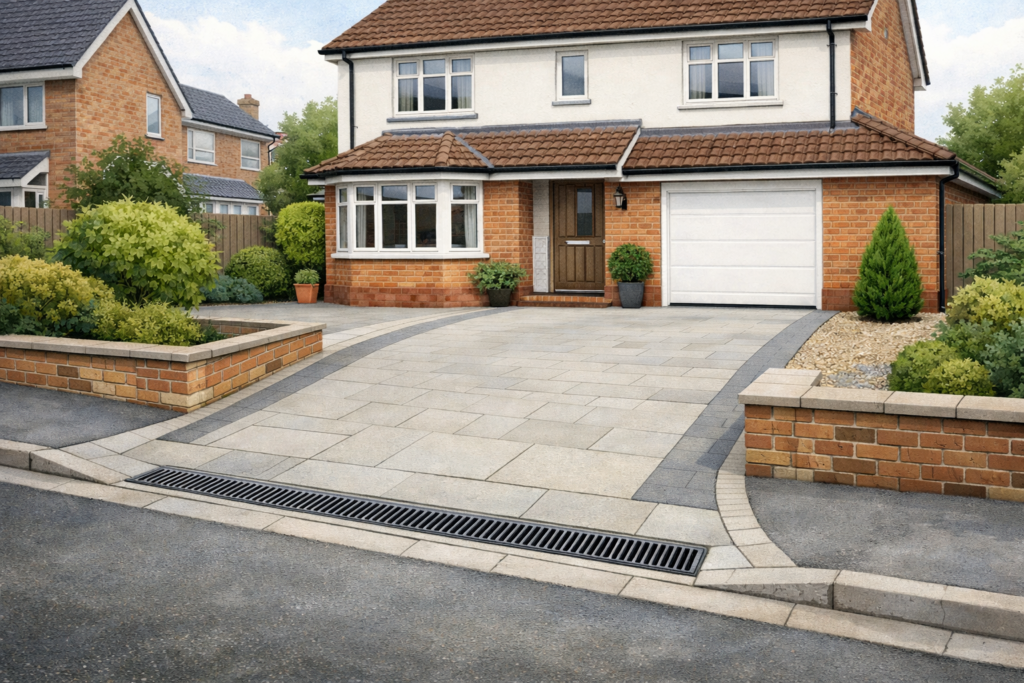
If the driveway surface itself still needs attention, it may be worth reviewing the base material first. For example, some homeowners pair a barrier with a durable entrance such as an effective tarmac driveway to keep maintenance straightforward.
Planning, access and legal considerations
Before fitting any barrier, it is important to think about access rights and local rules. A driveway may look like private space, but boundaries, visibility and access arrangements can be more complicated than they first appear.
If the drive is shared, has a public right of way nearby, or is used by neighbours or utility providers, you may need permission or agreement before making changes. It is always better to resolve this early than to deal with a dispute after installation.
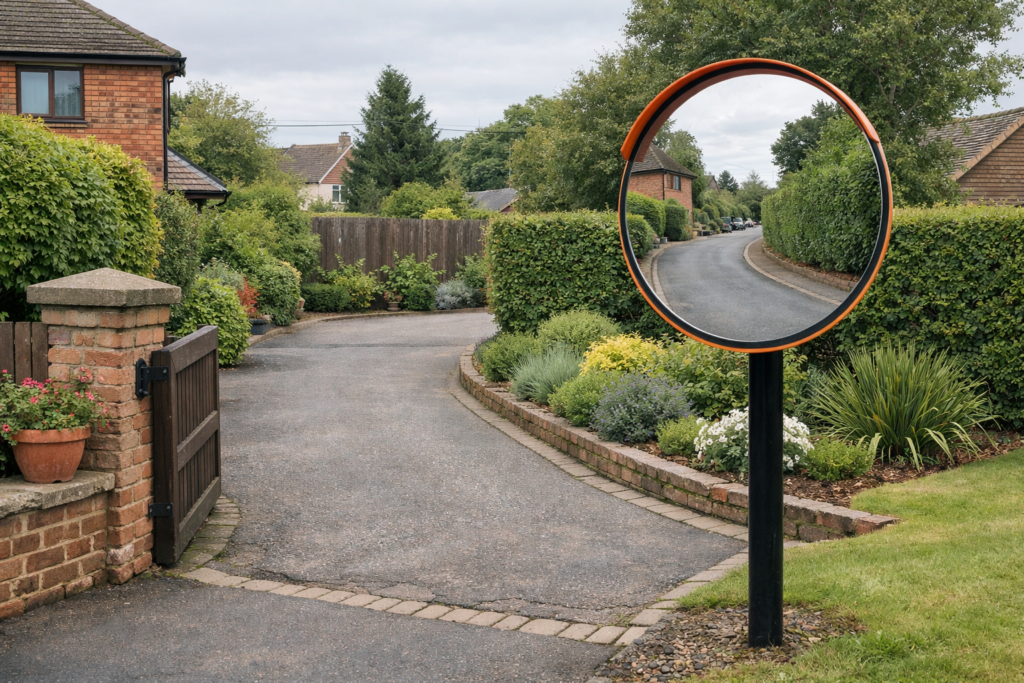
You should also consider visibility near the road. A barrier that blocks sightlines can create a hazard when reversing out, especially on a busy street or where parked cars already limit view.
Useful points to check before installation:
- Whether the boundary is fully within your ownership
- Whether the barrier affects shared access
- Whether the opening method is safe and practical
- Whether drainage or utilities run beneath the entrance
These checks are especially important if you are also planning broader frontage changes. The best driveway improvements work together, rather than creating new complications around access or maintenance.
How barriers affect kerb appeal
A driveway barrier can make a home look more finished and cared for, but only if the design is restrained and well matched to the rest of the property. A mismatch in scale, material or colour can make even a neat installation stand out for the wrong reasons.
For traditional homes, timber, wrought iron or stone-style posts can look appropriate. For modern properties, simple lines and subtle finishes often work better than ornate details.
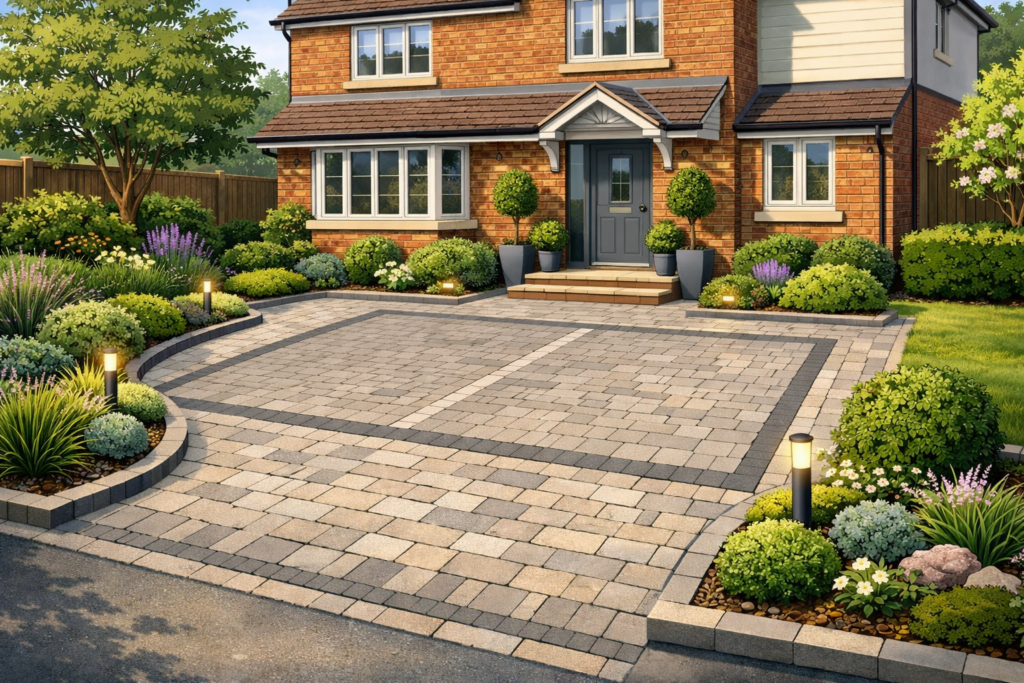
The surrounding frontage matters too. A barrier tends to look more intentional when it sits alongside smart paving, tidy edges and well-maintained planting. If you are refining the look of the whole front approach, it can be helpful to consider how barriers relate to other surface choices such as driveway bricks and planting.
Kerb appeal is not just about style. It is also about how the entrance feels to use, and whether visitors can immediately understand where to go and where to park.
Maintenance and long-term value
One of the most overlooked issues with driveway barriers is upkeep. A feature that seems low-maintenance at first can demand regular attention, especially if it includes moving parts, locks or automated controls.
Manual gates may need hinge checks, repainting or timber treatment. Automated barriers may need servicing, replacement parts and occasional electrical inspection.
Weather exposure is another factor. Rain, frost and road debris can all affect performance over time, so the best choice is usually one that suits the level of maintenance you are prepared to manage.
To protect long-term value, look for:
- Durable materials suitable for outdoor use
- Simple mechanisms with fewer failure points
- Designs that can be repaired easily
- Finishes that suit local weather conditions
Well-maintained barriers can support property value by improving presentation and usability. Poorly maintained barriers, on the other hand, can become an eyesore and make the entrance feel neglected.
Common mistakes to avoid
Many problems with driveway barriers come from rushed decisions rather than the barrier itself. A good product can still be the wrong choice if it is not suited to the driveway layout or the way the household actually lives.
One common mistake is choosing a barrier that is too small to make a meaningful difference. Another is selecting a system that is too heavy or complex for a modest driveway.
It is also easy to ignore turning space, opening clearance and practical daily use. A barrier that seems fine when open may become frustrating once cars, bins, visitors and deliveries are all taken into account.
Other mistakes to avoid include:
- Prioritising looks over access needs
- Forgetting about maintenance costs
- Overlooking visibility at the entrance
- Failing to check ownership or access rights
- Choosing materials that do not suit the climate
Taking time to plan properly usually saves money later. It also means the barrier is more likely to feel like a useful addition rather than an obstacle.
What We Get Asked…
Are driveway barriers worth the cost?
They can be, if you need better control over access, more privacy or a stronger sense of security. The value depends on how often you use the drive and whether the barrier solves a real problem.
Do driveway barriers improve security?
They can help deter casual access and make a property look more protected. However, they work best as part of a wider security approach rather than as the only measure.
Will a barrier suit a small driveway?
Possibly, but space is critical. On a narrow drive, a bulky gate or arm may reduce convenience, so a slimmer or more decorative option may be better.
Do barriers need planning permission?
Sometimes they may, depending on height, location and local restrictions. It is sensible to check before installation, particularly if the barrier sits close to the highway or affects visibility.
What barrier type is easiest to maintain?
Simpler manual systems usually require less upkeep than automated barriers. The easiest option is often the one with fewer moving parts and weather-sensitive components.
Our Final Thoughts
Driveway barriers can be a very good choice for the right home, especially when security, privacy or access control are important. They are not automatically the best option for every property, though, and the success of the project depends on careful planning.
If the barrier suits the driveway layout, the style of the house and the needs of the household, it can improve both appearance and everyday use. If you are still weighing up the full entrance design, it helps to compare the barrier with wider driveway improvements so the final result feels coherent rather than pieced together.
Take a close look at space, access, materials and maintenance before deciding, and think about how the choice will work not just now but in a few years’ time. If you want the entrance to feel smarter, safer and more practical, speak with a driveway specialist and explore the options that fit your home best.