
A driveway does more than provide somewhere to park. It shapes the first impression of your property, affects everyday convenience, and can influence how much upkeep you face over the years.
Tarmac remains one of the most familiar driveway surfaces in the UK because it is relatively affordable, quick to install and hard-wearing. Even so, it is not automatically the best option for every home, especially if you want a particular look, need stronger drainage solutions or live on a site with challenging ground conditions.
Choosing the right driveway surface is a practical decision as much as an aesthetic one. The best choice depends on your budget, how you use the space, the appearance of your home and how much maintenance you are willing to do.
What makes tarmac such a popular driveway choice?
Tarmac has been used on roads and domestic driveways for decades because it performs well under regular vehicle traffic. It provides a smooth, clean finish that works especially well for households that want a straightforward, functional surface without a long installation programme.
For many homeowners, the appeal lies in its balance of cost, speed and durability. Compared with some decorative alternatives, it tends to be easier on the budget while still delivering a neat and reliable result.
It is also versatile enough to suit a wide range of properties. Whether your home is modern, semi-detached or part of a larger rural plot, tarmac can sit comfortably in the background without drawing too much attention.
Where tarmac works especially well
Tarmac is often a strong choice where practicality comes first. It suits driveways that need to handle daily use, such as family homes with multiple vehicles or properties with regular visitors.
It also works well on longer driveways where a fully decorative surface would become expensive. In those cases, the clean finish and relatively modest installation cost can make tarmac a sensible compromise.
For homeowners replacing an older, tired drive, tarmac can also offer a quick visual improvement. It creates a tidy, fresh surface without needing extensive design work.
The main advantages of a tarmac driveway
One of the biggest advantages of tarmac is its practicality. It creates a firm, stable surface that is comfortable to drive and walk on, and it is less prone to shifting than some loose-surfaced alternatives.
The material also copes well with the British climate when installed correctly. It can handle rain, frost and frequent use, which matters if you want a surface that will not demand constant attention.
Another benefit is installation speed. While every project is different, tarmac driveways are often completed more quickly than more decorative surfaces, which can be useful if access to your property is important during the works.
Other common benefits include:
- A tidy, uniform appearance
- Good suitability for regular vehicle traffic
- Potentially lower upfront cost than some alternatives
- Relatively simple maintenance when properly laid
- Compatibility with edging, borders and gate installations
For homeowners weighing practicality against design, tarmac often strikes a reassuring balance.
Potential drawbacks you should think about
Although tarmac has many strengths, it is not the right answer for everyone. The finish is neat, but it is usually more functional than decorative, which may matter if you want your driveway to make a strong design statement.
It can also be less flexible in appearance than materials such as block paving or resin. If matching a specific colour palette is important, tarmac may feel limited, even when paired with attractive edging.
Heat and oil staining are other points to consider. Dark surfaces can show spill marks, and while modern tarmac is durable, it still needs appropriate care if you want it to stay looking its best.
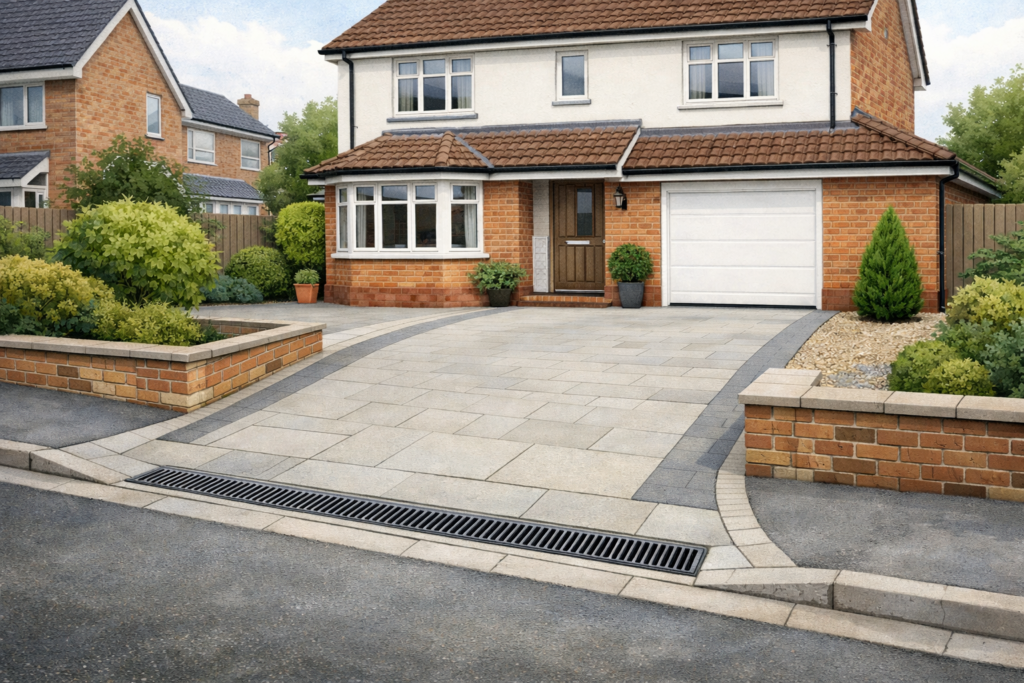
There is also the matter of drainage. A poorly planned installation can lead to standing water or runoff issues, particularly if the drive slopes towards the house. That is why preparation and design matter just as much as the surface material itself.
When another surface may be better
If your main goal is visual impact, you may prefer a more decorative option. Resin or block paving often offers more colour choice and a more bespoke finish.
If your driveway needs to support strong drainage requirements, a permeable solution may be worth exploring. The right decision depends on how the driveway fits into the rest of your property, not just on upfront price.
You can compare alternative finishes by reading our related post on choosing a resin driveway, which explains where that surface performs best.
How tarmac compares with other driveway materials
It is easier to decide whether tarmac suits your home when you compare it with other popular driveway options. Each material has its own strengths, and the best fit depends on priorities such as budget, maintenance and appearance.
Compared with gravel, tarmac is far easier to walk and drive on, and it does not shift underfoot. That makes it a strong choice for households that want a cleaner, more settled surface.
Compared with concrete, tarmac often offers a more forgiving finish and can be quicker to install. Concrete can be durable, but it may crack in an unattractive way if the groundwork is not spot on.
Compared with resin, tarmac usually offers less design flexibility. Resin can create a more contemporary finish, though it may cost more depending on the specification and sub-base requirements.
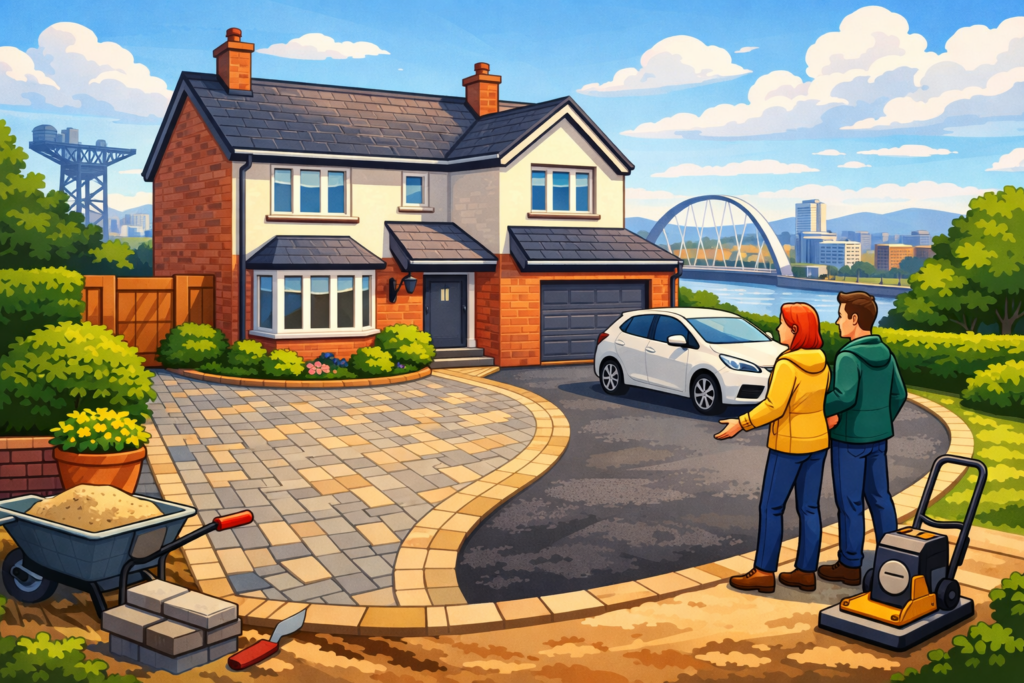
Compared with block paving, tarmac is typically less decorative but often faster to lay and easier to keep looking tidy. Block paving can provide more pattern and colour options, but it can also require more ongoing maintenance to prevent weeds and movement.
The right surface is not necessarily the most expensive one. It is the one that fits your property, your budget and your day-to-day expectations.
What to consider before choosing tarmac
A driveway should be judged on more than looks alone. The conditions around your property will affect how well tarmac performs and whether it will remain practical over time.
Start by thinking about how the driveway is used. A single vehicle parked occasionally creates different demands from a busy family drive with repeated turning, reversing and foot traffic.
Ground conditions matter too. Poor drainage, soft soil or uneven levels can all affect the quality of the finished surface if the groundwork is not designed properly.
You should also consider access. If machinery has difficulty reaching the site, installation may become more complicated and may influence both timescale and cost.
Planning permission is not usually required for replacing a driveway surface, but drainage and runoff rules can still apply. It is sensible to make sure the installation complies with local requirements before work begins.
Questions worth asking a contractor
A good installer should be able to explain how they will prepare the ground and handle drainage. If the answers are vague, that is a warning sign.
Useful questions include:
- How deep will the sub-base be?
- How will water drain away from the property?
- Will edging be included to keep the surface contained?
- How long should the surface be left before use?
- What maintenance will be needed in the first year?
These details often matter more than the headline price. A cheaper installation can become costly if the groundwork has been rushed.
The importance of proper installation
Even a good material can perform badly if the installation is poor. With tarmac, the quality of the sub-base, compaction and finishing work all have a direct effect on the driveway’s lifespan.
The ground underneath must be stable and well prepared. If it is not, the finished surface may sink, crack or develop weak spots where vehicles repeatedly pass over the same area.
Edging is also important because it helps keep the shape of the driveway intact. Without it, the surface can spread or break down sooner than expected.
The weather on installation day can matter too. Tarmac needs to be laid and compacted correctly, so experienced contractors will choose suitable conditions and work at the right pace.
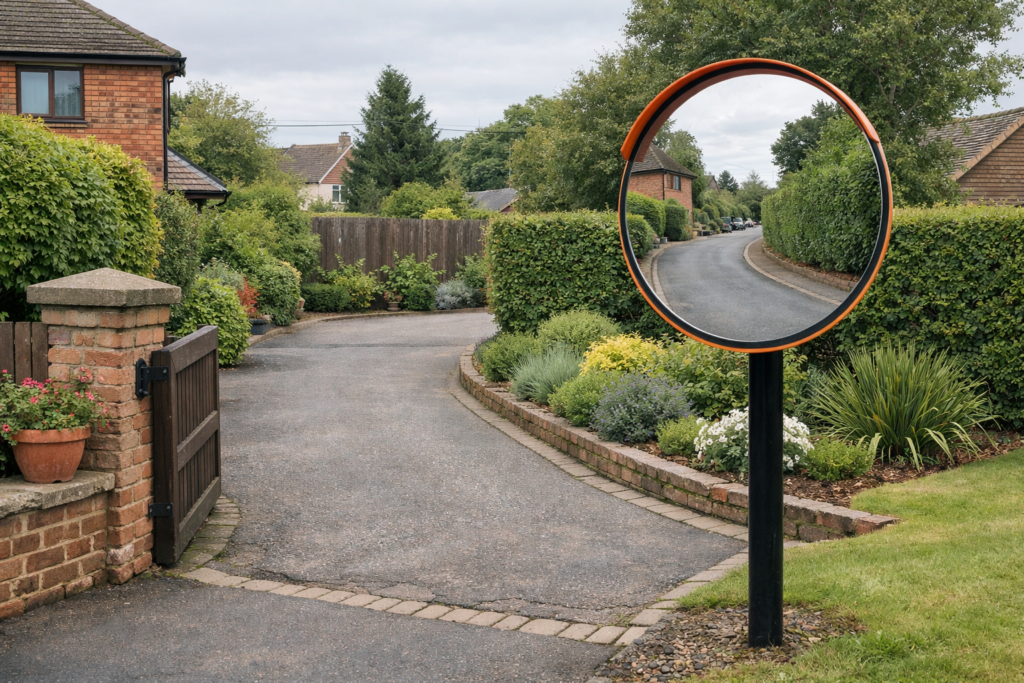
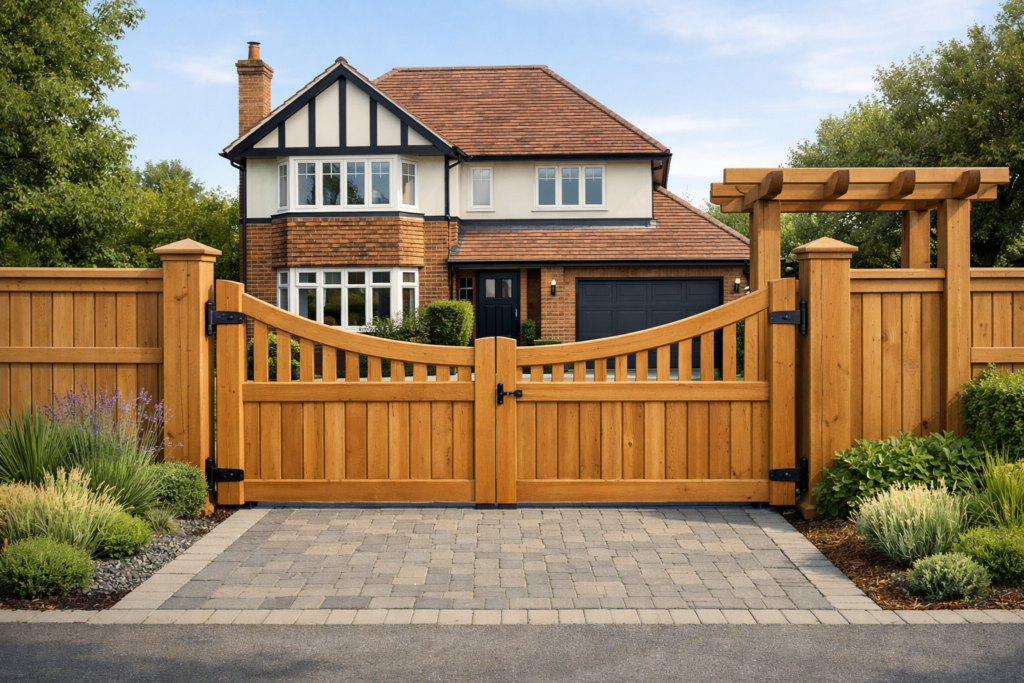
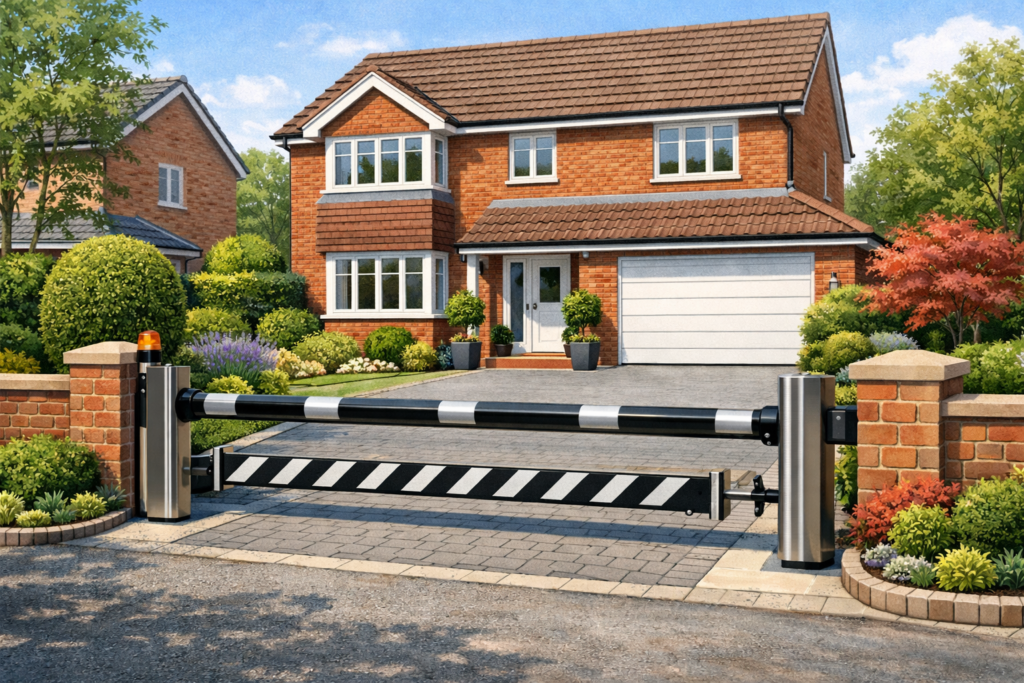
If you are planning a wider landscaping project, think about how the drive will connect with paths, gates and frontage details. For homes considering access control and a more polished entrance, driveway gates and security can be an important part of the overall layout.
Maintenance and long-term care
Tarmac is generally low maintenance, but no driveway is maintenance-free. A little routine care can help it stay neat and perform well for longer.
Keep the surface free from debris, moss and pooled water. Regular sweeping and the occasional wash can prevent grime from building up and help you spot minor issues early.
It is wise to deal with oil spills quickly. The longer they sit, the more likely they are to leave a stain on the dark surface.
Over time, you may notice small cracks or wear at the edges. Catching these early and repairing them promptly can prevent bigger repairs later on.
To keep maintenance manageable, avoid placing heavy objects on the drive for long periods and make sure any drainage channels remain clear. Small habits often make the biggest difference.
Signs your tarmac needs attention
There are a few clear signs that a driveway may need repair or professional inspection. These include visible cracking, loose edges, sinking patches or water that no longer drains properly.
If the surface begins to look rough or brittle, that can also suggest ageing or wear. Addressing the issue sooner is usually more cost-effective than waiting for a larger section to fail.
Is tarmac a good choice for kerb appeal?
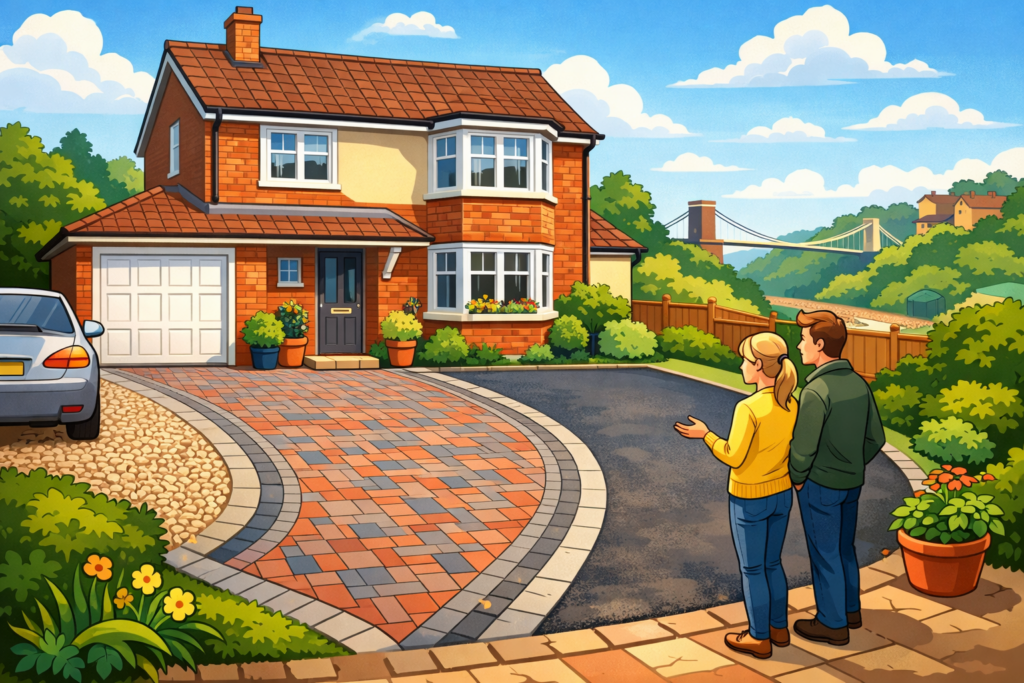
A tarmac driveway can look smart and well-kept, but it creates a different kind of kerb appeal from more decorative materials. Its strength lies in giving the frontage a clean, orderly appearance rather than a showy one.
That can be a real advantage if your house already has attractive brickwork, planting or boundary features. In that setting, the driveway supports the overall look without competing for attention.
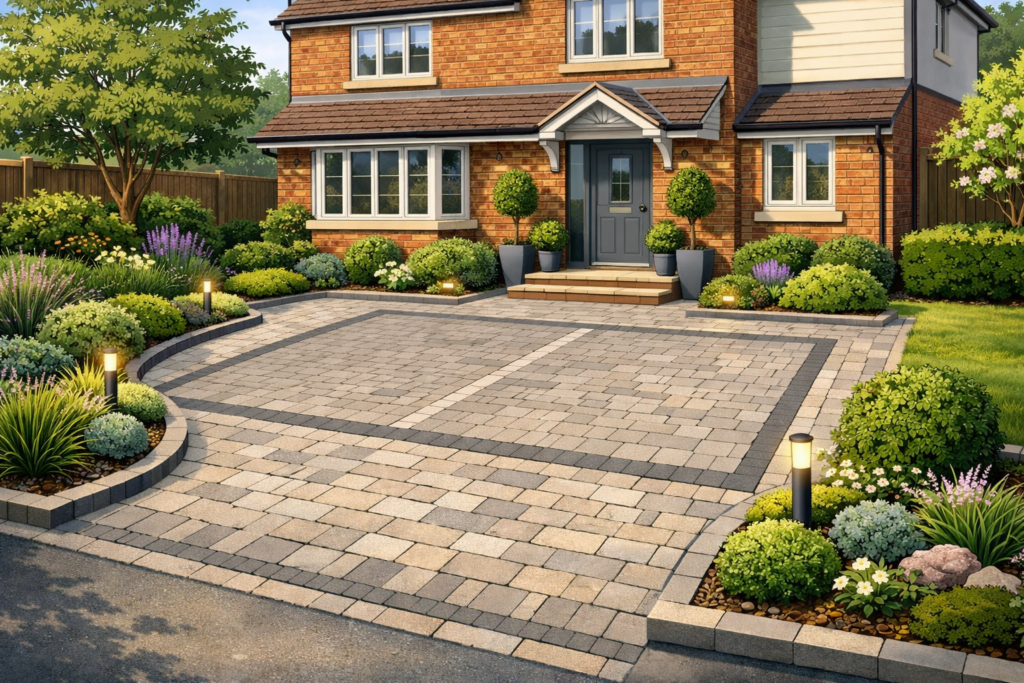
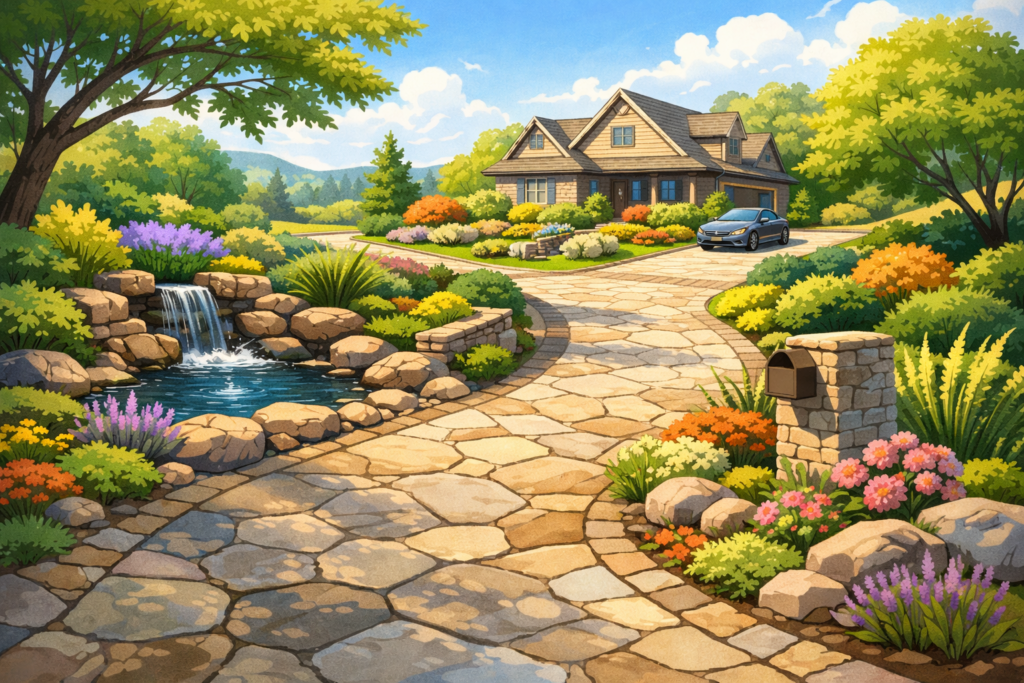
Edging can make a significant difference here. Brick, stone or block borders can lift the appearance of a tarmac drive and help it feel more finished.
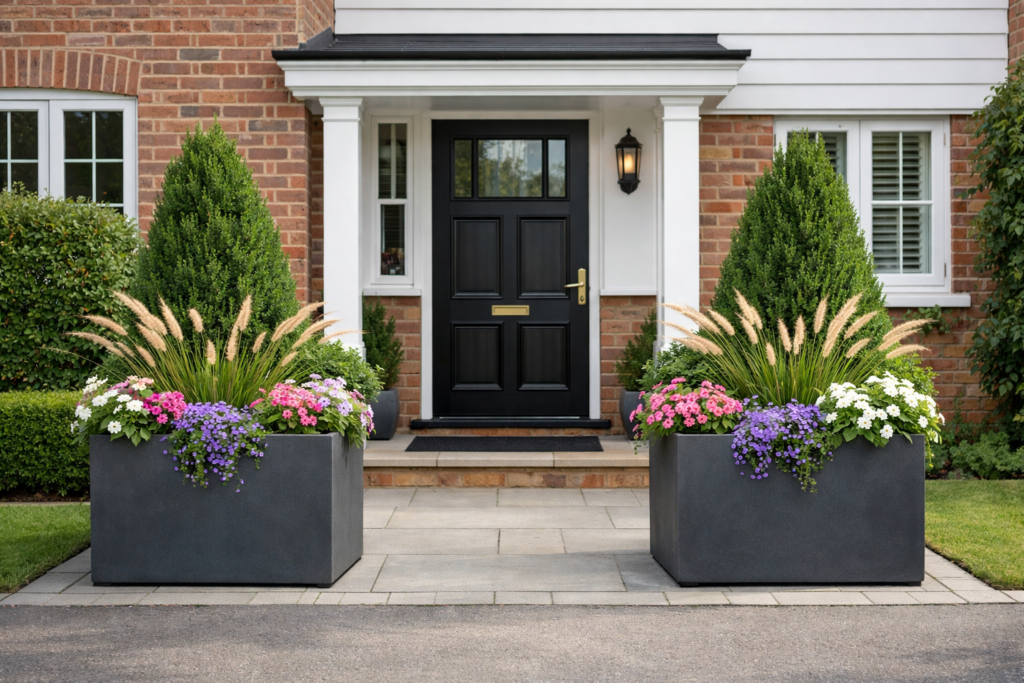
Lighting, planting and gate design can also improve the overall effect. When these elements are considered together, the driveway can look much more intentional and welcoming.
When tarmac is likely to suit your home best
Tarmac is often a strong fit if you want a practical surface that works hard without demanding much from you in return. It is especially suitable for homeowners who value usability, straightforward maintenance and reasonable costs.
It may be the right choice if your property has a fairly standard layout, if the driveway is used daily or if you need a surface that can be installed relatively quickly.
It is also worth considering if you prefer a simpler appearance that does not dominate the front of the house. In many settings, tarmac provides a sensible, understated finish that feels entirely at home.
On the other hand, if visual detail, colour variation or a premium decorative effect are top priorities, another material may suit you better. The most suitable driveway is the one that supports both the practical and visual needs of your property.
Our Final Thoughts
A tarmac driveway can be an excellent choice for the right home. It offers durability, a tidy appearance and good everyday practicality, particularly where ease of use and value matter more than decorative detail.
The key is to look beyond the surface itself and think about the full project. Ground preparation, drainage, edging and installation quality all shape how well the driveway will perform and how long it will last.
If you are comparing options, take time to consider your budget, the style of your property and the way the drive will be used. A carefully chosen and professionally installed tarmac drive can deliver years of reliable service.
For a more tailored view of your own project, it is worth exploring driveway materials in context and speaking to a specialist who can assess the site properly. That is the best way to find a surface that looks right and works well for your home.
What We Get Asked…
How long does a tarmac driveway last?
With proper installation and reasonable care, a tarmac driveway can last many years. Lifespan depends on ground preparation, traffic levels and how quickly minor damage is repaired.
Does a tarmac driveway need sealing?
Not always, but some homeowners choose to seal the surface for added protection and a fresher appearance. The need for sealing depends on the installer’s recommendation and the product used.
Can tarmac be repaired if it cracks?
Yes, small cracks and localised damage can often be repaired. It is best to deal with issues early before they spread or allow water to penetrate the surface.
Is tarmac cheaper than block paving?
It is often more affordable upfront, especially on larger driveways. However, the final cost depends on the site conditions, preparation work and any edging or drainage requirements.
Will tarmac suit a modern home?
Yes, tarmac can work well with modern properties because of its clean and understated finish. Adding neat edging or contemporary gates can help it feel more polished.