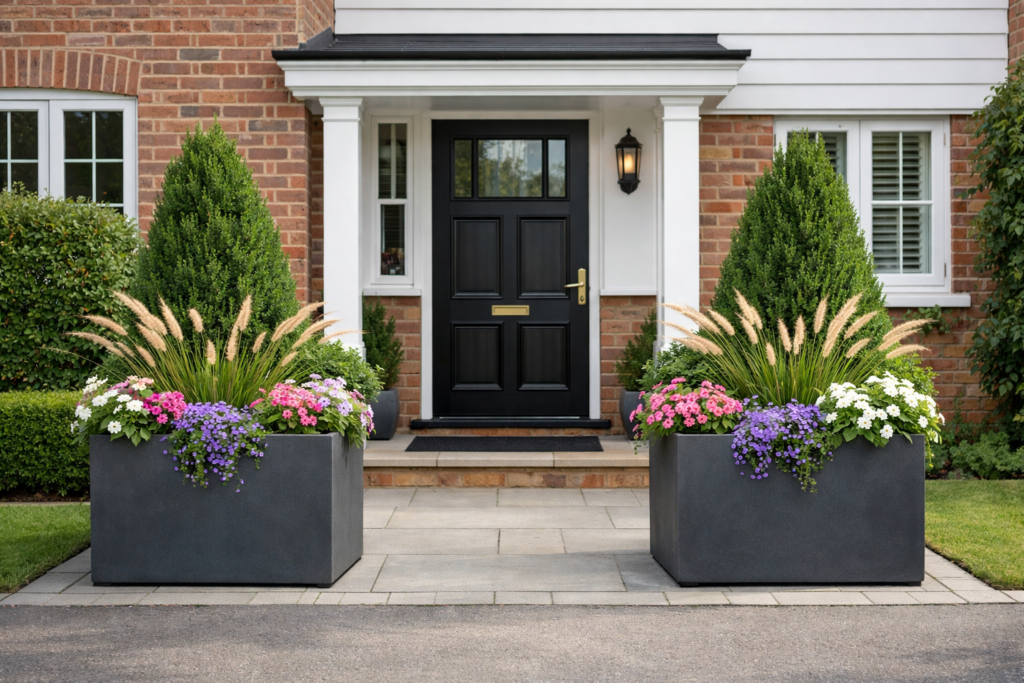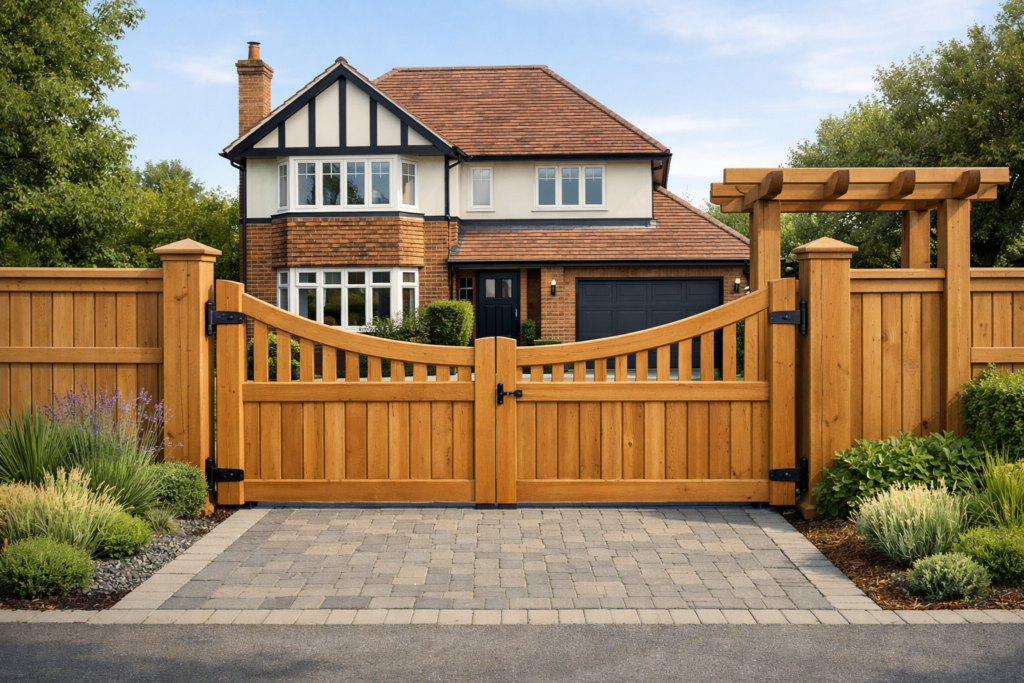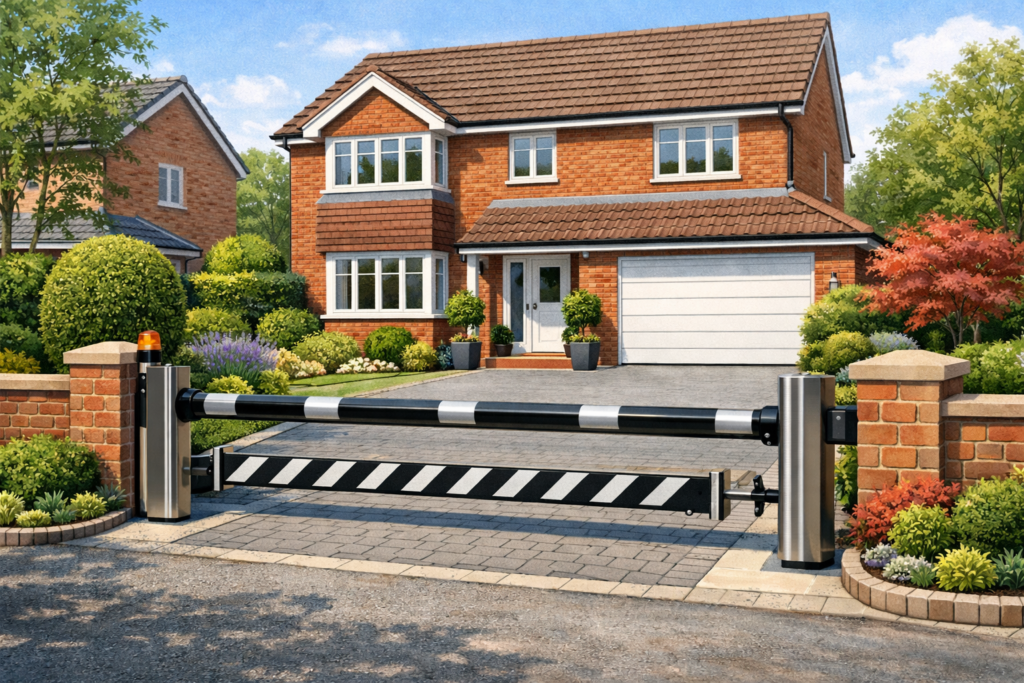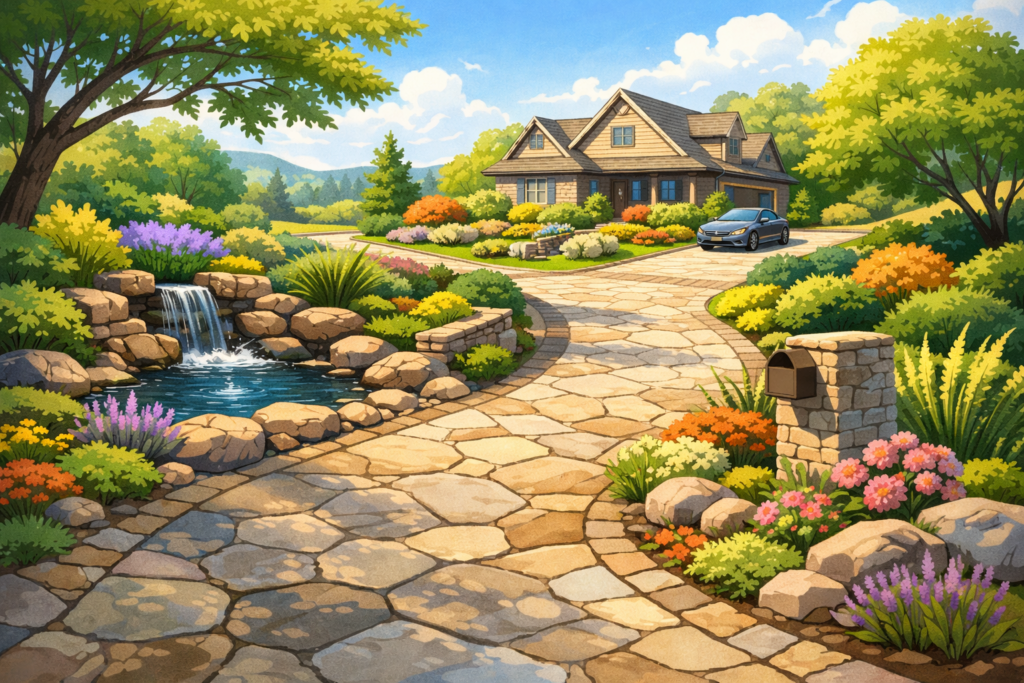

A driveway does more than give you somewhere to park. It shapes the first impression of your home, affects how easily you move in and out of the property, and can either complement or distract from the rest of the garden. When people talk about landscaping a driveway, they are usually looking at how the hard surface, planting, edging, lighting, and surrounding layout work together.
That wider approach can be a very smart choice. A well-planned driveway can soften the look of a front garden, improve drainage, add structure, and make everyday use feel easier. It can also raise practical questions about cost, maintenance, surface choice, and whether the design suits the style of the house.
The best answer is rarely a simple yes or no. A landscaped driveway can be excellent for the right home, but it needs to be designed around space, access, ground conditions, and the amount of upkeep you are comfortable with. The details matter, and getting them wrong can make the area feel awkward, cluttered, or difficult to maintain.
What landscaping a driveway really means
Landscaping a driveway is not just about making it look attractive. It involves planning the driveway as part of the wider front garden, so the surface, borders, planting, and drainage all work together. A basic parking area becomes a more considered entrance that suits the property and the way it is used.
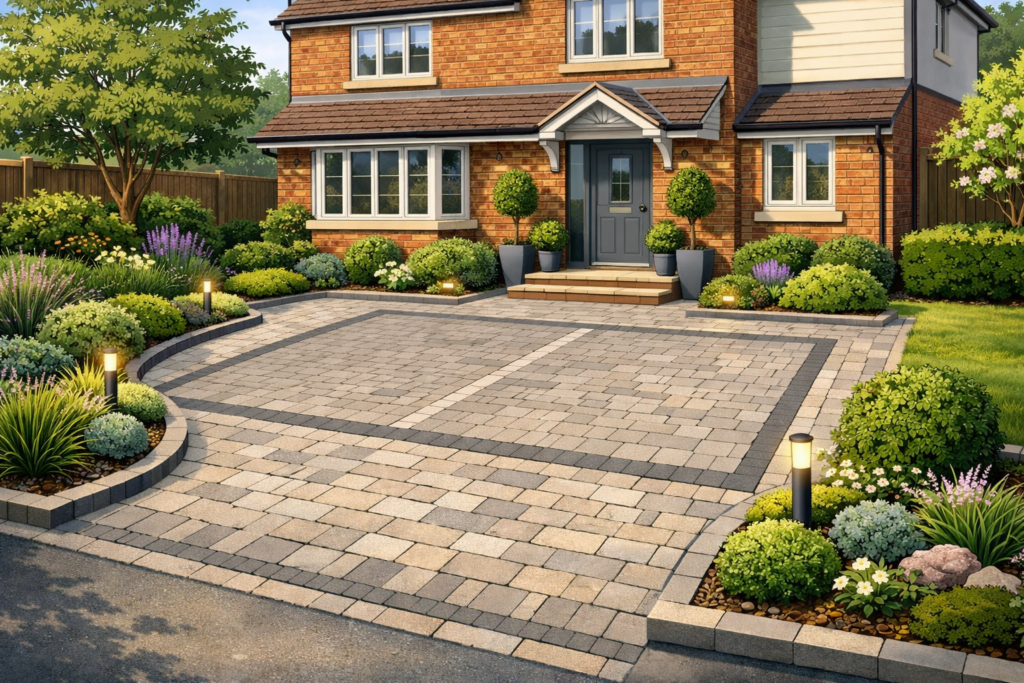
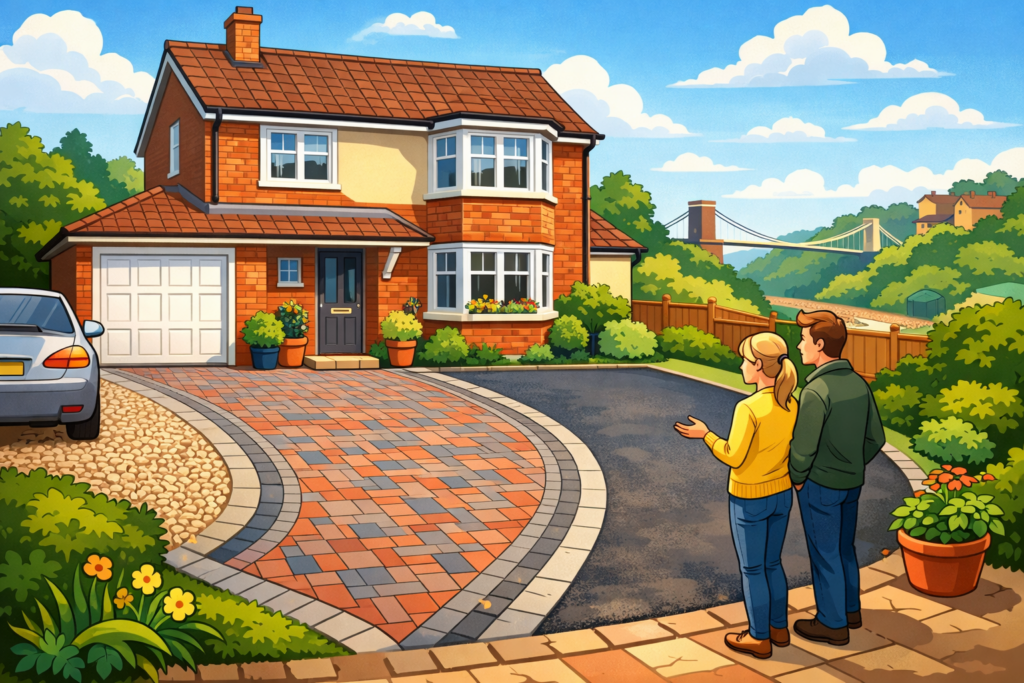
This might include permeable paving, decorative gravel, brick edging, planted beds, low walls, lighting, or changes in level. In some homes, it also means replacing a plain patch of concrete or tarmac with something that feels more balanced and better integrated with the rest of the plot.
If you are still weighing up surface options, it can help to compare landscaping with other driveway styles. For example, a resin driveway may suit a modern front garden, while a more textured finish may be better for a traditional property.
The main benefits of a landscaped driveway
A landscaped driveway offers more than visual appeal. It can improve the way the front of your home functions and often makes the property feel more polished and intentional. For many homeowners, that combination of appearance and practicality is the biggest advantage.
Better kerb appeal. A driveway framed with planting, edging, or attractive materials can make the whole property look more cared for. This can be especially useful if the front of the house currently feels bare, dated, or dominated by hard surfacing.
Improved layout. Landscaping can help define parking, turning, walking, and planting areas. This is useful where a driveway is wide, irregularly shaped, or shared with a front garden that needs to remain usable.
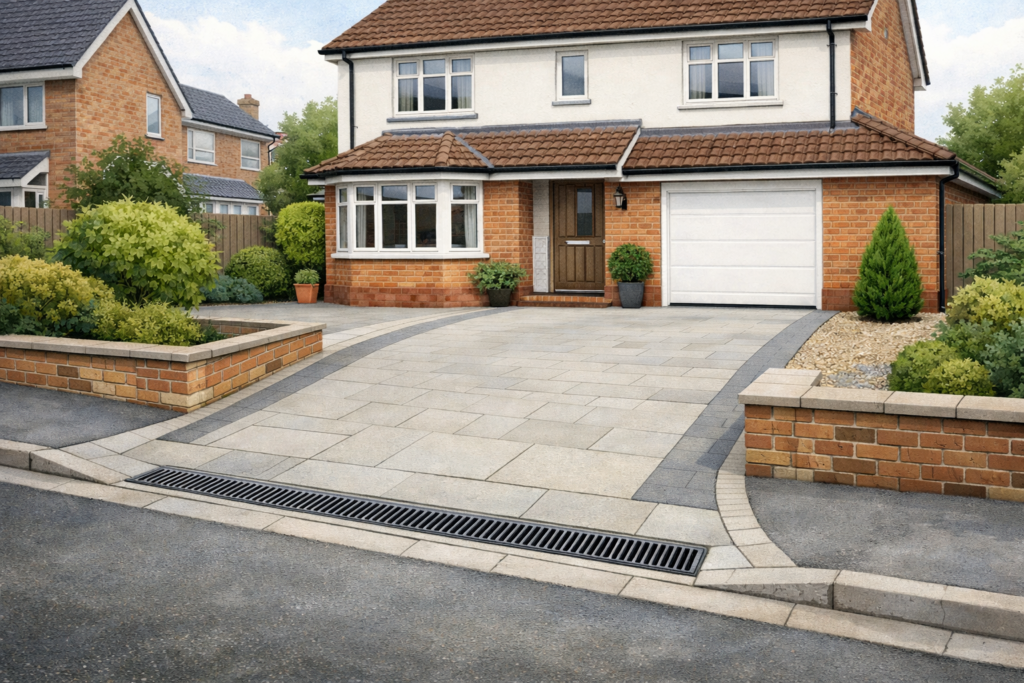
More effective drainage. Thoughtful design can reduce standing water and surface runoff. This is especially important on larger driveways and in areas that receive frequent rain, where poor drainage quickly becomes a nuisance.
Greater property value appeal. Buyers often notice the front of a home before anything else. A driveway that feels neat, functional, and attractive may help a property stand out, even if the financial return depends on the wider market and the quality of the work.
More natural character. Plants, edging, and different textures can break up large expanses of paving. This is useful where a driveway would otherwise look too hard or too stark against the house.
When a landscaped driveway works particularly well
Some homes are naturally better suited to a landscaped driveway than others. The strongest results often come where there is enough space to create clear zones without making the front garden feel cramped. Larger plots usually benefit from this approach because there is room for both parking and planting.
It also works well for homes with a frontage that feels visually flat. If the property has a plain exterior, a landscaped driveway can introduce structure and softness without changing the building itself. That makes it a useful way to improve appearance without committing to a major renovation.
Traditional homes. Older properties often benefit from materials and planting that echo their period style. Brick edging, gravel borders, or informal planting can make the entrance feel like it belongs to the house.
Homes with long driveways. Longer runs can sometimes feel repetitive. Breaking them up with lighting, planting pockets, or different surface treatments can make the approach more interesting and easier to navigate.
Homes with drainage challenges. If water tends to pool near the front of the house, landscaping can be used to support a more practical layout. Permeable surfaces and sensible levels can make a real difference.
For homeowners comparing driveway types and local suitability, it may also be helpful to read about whether a Driveways Wolverhampton approach suits local conditions and property styles.
Common limitations to think about first
Landscaped driveways are not automatically the best solution. They need more planning than a simple flat surface, and that extra design work can increase cost and complexity. If the project is rushed, the results can look busy rather than elegant.
Maintenance is another important point. Planting needs pruning, weeding, watering, or seasonal care, and decorative gravel can shift over time. Even low-maintenance designs still need attention, especially around edges and drainage points.
Smaller frontages can be tricky. If there is limited room, adding too many features can reduce parking space or make access awkward. In tighter areas, simplicity often works better than a heavily detailed scheme.
Planning and surface rules may matter. Depending on the design, you may need to think carefully about drainage compliance and local regulations. This is particularly relevant if you are replacing an existing surface with something that changes water flow.
Not every material ages the same way. Some finishes look great on installation but show wear quickly if they are not suitable for the level of traffic. Matching the material to the real use of the driveway is just as important as style.
Choosing the right materials and features
Material choice shapes both the look and the day-to-day performance of the driveway. A landscaped design usually includes a main surface plus complementary details, so it is worth thinking about how the elements work together rather than selecting them individually.
Gravel. This can be attractive, flexible, and relatively affordable. It suits informal landscapes well, although it may not suit everyone if noise, movement underfoot, or occasional scatter is a concern. A well-contained gravel scheme can still look smart and characterful.
Brick or block edging. Edging creates definition and helps keep the driveway neat. It is also useful for separating hard surfaces from planting beds, which gives the whole area a more finished appearance.
Paving or stone. These materials can work beautifully in a landscaped setting, particularly when combined with softer borders and subtle planting. A considered choice here can make the front of the house feel much more balanced, especially if you are also comparing options like an Are Driveway Bricks a Good Choice for Your Home? style approach.
Lighting. Low-level lights improve safety and help the entrance feel welcoming after dark. They can also highlight planting or edging without overpowering the design.
Plants. The best planting for driveway landscaping is usually hardy, tidy, and proportionate to the space. Think structure first, then colour and seasonality, rather than filling gaps with anything available.
Design mistakes that can spoil the result
Good landscaping relies on restraint as much as creativity. One of the most common mistakes is trying to fit too many ideas into a small area. When there are too many textures, colours, and materials competing for attention, the driveway can start to feel cluttered.
Another frequent issue is ignoring maintenance from the start. A design that looks fantastic in the first month may become frustrating if the planting is high-maintenance or if the surface is difficult to clean. A good driveway should look attractive without becoming a burden.
Poor drainage planning. Even attractive surfaces can become problematic if water is not directed properly. Any landscaped driveway should be designed with runoff, soakaway options, and ground levels in mind.
Overcrowding the space. Planting beds that are too large can make parking feel tight. Borders should enhance the driveway, not compromise its main job.
Choosing style over suitability. A material or layout may look wonderful in a showroom but behave badly in a real front garden. The best designs take traffic levels, weather, and local conditions seriously.
How to tell if it is right for your home
The right choice depends on how you use the space and what you want from it. If your driveway is purely functional and you want the quickest, simplest solution possible, a landscaped design may be more than you need. If you want the front of the house to feel finished and welcoming, it can be an excellent investment of time and planning.
Start by looking at the practical side of the property. Consider how many cars need to fit, how often the driveway is used, whether the ground slopes, and how much direct rainwater the area receives. These details affect everything from drainage to the type of finish that will work best.
Then think about the visual goals. Do you want the entrance to blend quietly into the property, or do you want it to create a stronger statement? A landscaped driveway can do either, but the style should suit the architecture rather than compete with it.
If you are still narrowing down the most suitable setup, comparing wider driveway styles can help. Homeowners often find it useful to look at options such as an stone driveway or a more practical surface like a gravel driveway before settling on a landscaped approach.
What to ask before starting the project
Before any work begins, it is worth asking a few direct questions about the design. The answers will tell you whether the project is realistic, attractive, and manageable over time. This stage can save a great deal of money and frustration later on.
Think about who will install the driveway, how drainage will be handled, and what maintenance will be needed each season. It also helps to ask how the chosen materials will age and whether the finish will still suit the property in five or ten years.
It is sensible to compare several proposals if you are hiring help. A well-planned driveway should feel specific to your property rather than copied from another project. If you are exploring professional support, reading about whether a driveways company is the right route can help you judge what level of service you actually need.
What we get asked…
Do landscaped driveways need a lot of maintenance?
Not always, but the level of upkeep depends on the materials and planting you choose. Simple edging and hardy plants can keep maintenance fairly low, while more decorative planting schemes need regular attention.
Can a landscaped driveway work on a small front garden?
Yes, but the design needs to stay restrained. In smaller spaces, compact planting, clean lines, and carefully placed edging usually work better than a complex layout.
Are landscaped driveways more expensive?
They often can be, because there are more design elements to plan and install. The final cost depends on the surface, drainage, planting, and the amount of groundwork required.
Will a landscaped driveway improve property value?
It can improve kerb appeal and make a home more attractive to buyers. The actual financial impact depends on the local market, the quality of the work, and how well the design suits the house.
Our Final Thoughts
Landscaping a driveway is a strong choice when you want more than a parking space. Done well, it creates a smarter entrance, supports better drainage, and makes the front of the property feel more connected to the rest of the home.
It is not the best answer for every house, though. Smaller spaces, high-traffic driveways, and properties with limited maintenance tolerance may suit a simpler approach.
If you are considering a change, focus on how the driveway needs to work first and how you want it to look second. That balance is what leads to a result that feels attractive, practical, and worth the investment.
For the best outcome, compare suitable materials, think about drainage early, and choose a design that fits your home rather than chasing a trend. If you are ready to explore your options, speak with a trusted driveway specialist and start shaping a driveway that works well every day.