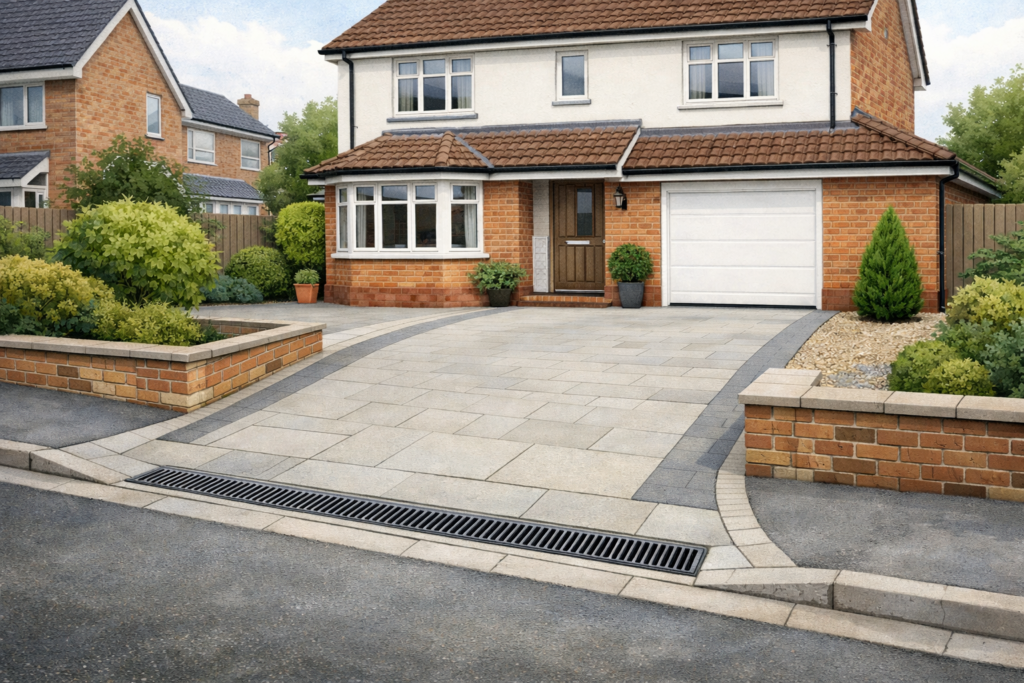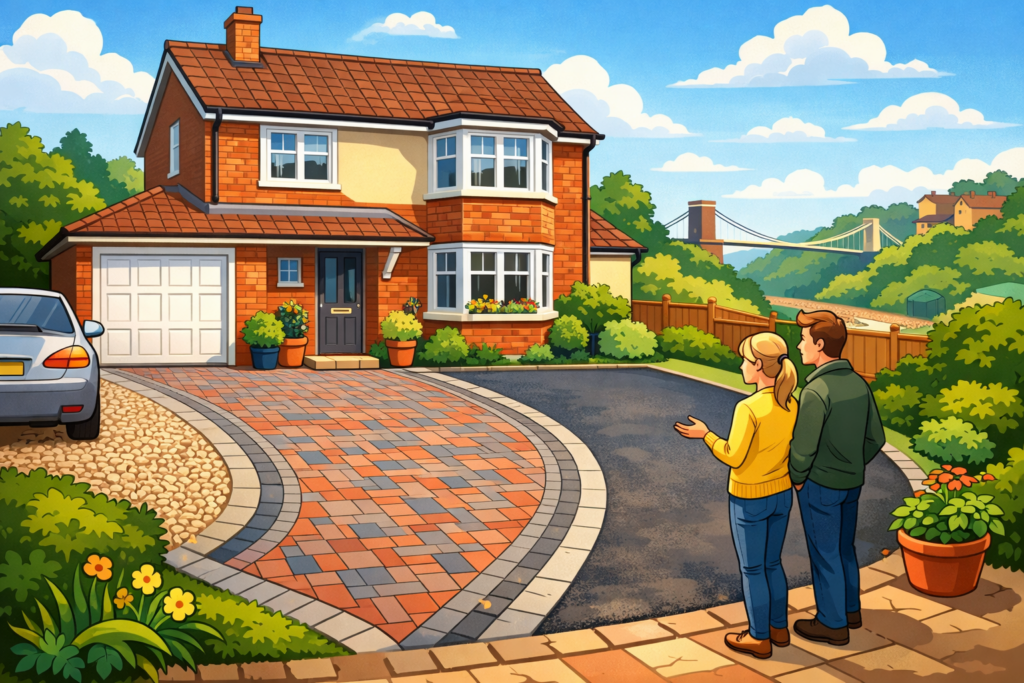
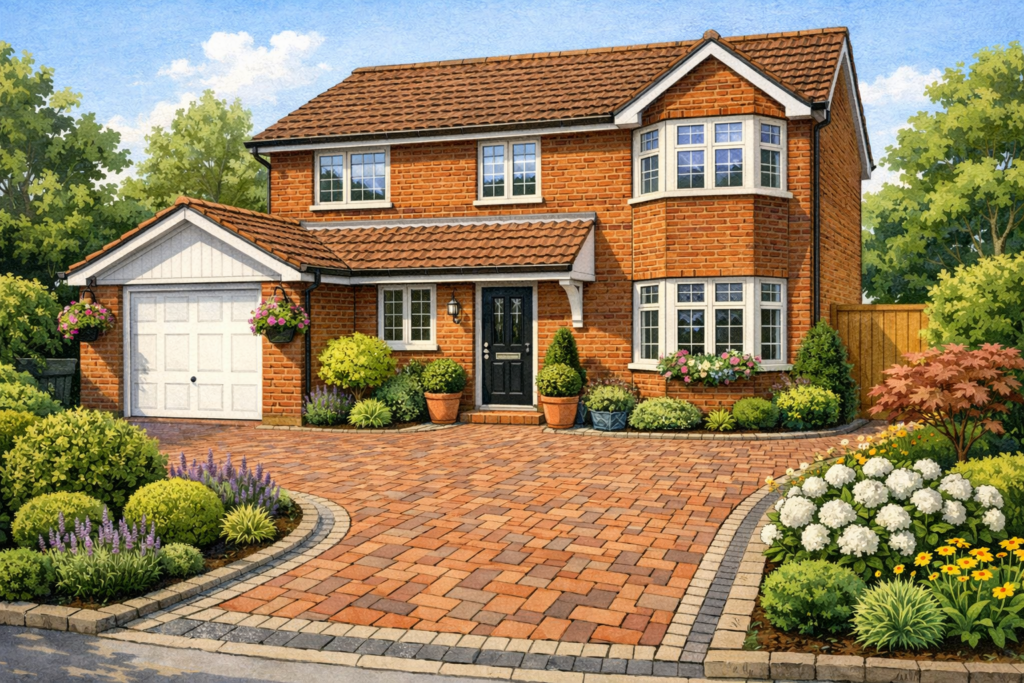
Driveway bricks have a timeless appeal that suits everything from traditional cottages to newer homes looking for a more characterful finish. They can make the front of a property feel more welcoming, add visual structure, and stand up well to everyday vehicle use when installed properly.
That said, brick paving is not just a style choice. The right driveway surface needs to cope with ground conditions, drainage, weight, maintenance expectations and budget, so the best answer depends on how your home is used and what you want from the finished result.
For some households, driveway bricks are an excellent long-term investment. For others, a different surface may be more practical, easier to maintain or more cost-effective. The key is understanding what brick paving offers in real life, not just how it looks on day one.
What Makes Driveway Bricks So Appealing?
One of the main reasons people choose driveway bricks is the combination of appearance and practicality. They create a neater, more decorative finish than plain concrete or some types of asphalt, while still feeling substantial and well made.
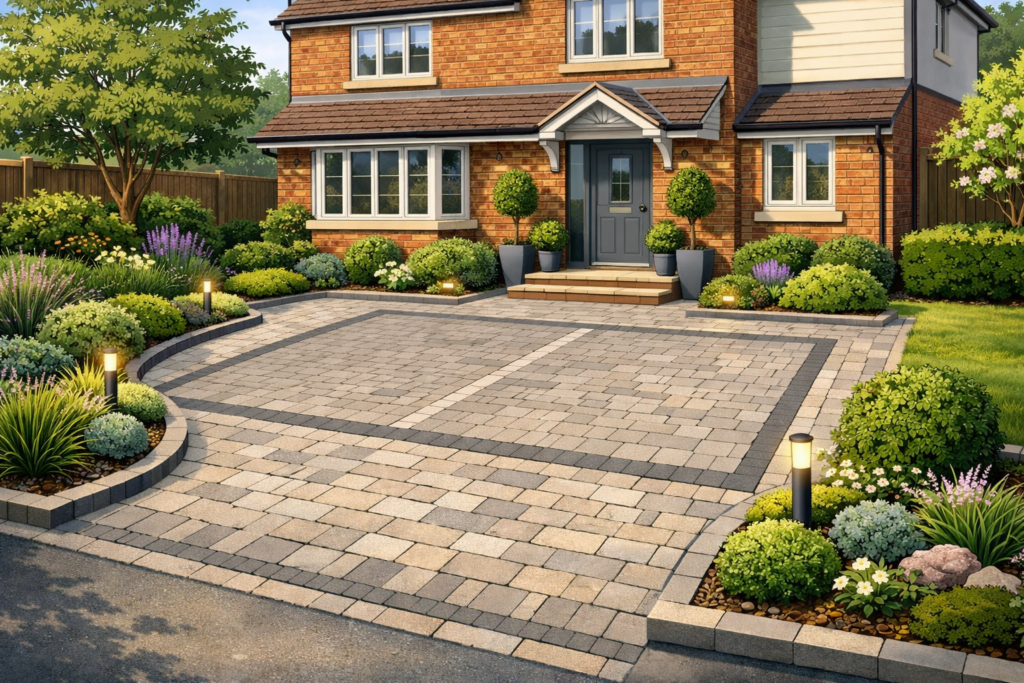
Brick paving also gives you more design flexibility than many people expect. It can be laid in different patterns, combined with contrasting borders, and used to complement the colour of the house, brickwork or boundary walls.
There is also a sense of permanence to a brick driveway. When it is installed on a proper sub-base and maintained sensibly, it can look good for many years and often ages more gracefully than a surface that shows cracks or patch repairs more obviously.
For homeowners comparing options, it can help to look at related surfaces too. If you are weighing up several materials, our guide on driveway paving offers useful context on when a paved approach may be the better overall fit.
Are Driveway Bricks Durable Enough for Daily Use?
Yes, driveway bricks can be durable enough for regular use, but the quality of the product and the installation matter far more than many buyers realise. A well-constructed brick driveway should be built on a properly compacted sub-base, with suitable edging and jointing to keep the surface stable.
Brick paving is strong in compression, which makes it suitable for the weight of cars and vans in normal domestic use. Problems usually arise when the ground beneath has not been prepared correctly, or when cheaper materials are used without considering load-bearing performance.
Where durability tends to be strongest is in homes with moderate traffic and sensible drainage. A properly laid brick driveway can cope well with everyday parking, turning and manoeuvring, especially where the layout avoids unnecessary stress on tight corners.
Where issues are more likely is on sites with unstable soil, frequent standing water or poor installation. If the base moves, the bricks may settle unevenly, leaving dips, rocking sections or visible gaps between units.
For homes where strength is the main priority, it is worth comparing brick paving with a more rigid surface such as a concrete driveway, which may better suit some high-load or low-maintenance requirements.
The Benefits of Choosing Driveway Bricks
Brick driveways come with several advantages that make them attractive to a wide range of homeowners. The most obvious is the look, but the practical benefits are just as important when you are deciding whether they are suitable.
Improved kerb appeal is a major advantage. Bricks can soften the front of a property and make the entrance feel more considered, particularly where the home already has brick or stone features.
Design flexibility is another. You can choose from a wide range of colours, textures and laying patterns, which makes it easier to create a driveway that complements both the house and the surrounding garden.
Easy local repairs are also useful. If one section becomes damaged or stained, individual bricks can often be lifted and replaced without redoing the whole driveway.
Permeable options may help with drainage, depending on the system used. That can be especially helpful where surface water management is a concern and you want a more practical solution than a fully sealed finish.
Long-term adaptability matters too. Unlike some surfaces, brick paving can be altered, extended or reconfigured later if the layout of your home changes.
The Limitations You Should Not Ignore
Although driveway bricks have a lot going for them, they are not the ideal answer for every property. The drawbacks are worth understanding before you commit, because they affect both cost and long-term upkeep.
One of the main limitations is price. Brick paving is usually more expensive than simpler driveway surfaces, particularly when you factor in labour, edging and the preparation required for a reliable base.
Maintenance is another consideration. Weeds can appear in joints if the driveway is not installed and maintained correctly, and over time some surfaces may need re-sanding, cleaning or minor levelling work.
Colour variation and fading can also happen. Bricks tend to weather naturally, which some people love, but others prefer the more uniform appearance of a newer surface that stays consistent for longer.
There is also the risk of settling or movement if the ground beneath the driveway is not stable. This is why choosing a good installer and asking the right questions about foundations matters so much.
How Driveway Bricks Compare with Other Surfaces
Driveway bricks are often chosen for their visual appeal, but it helps to compare them against other common surfaces before deciding. The best choice is rarely the one with the nicest appearance alone.
Versus gravel, bricks are neater, more stable underfoot and easier to walk on in wet weather. Gravel can be cheaper and simpler to install, though it may need more topping up and movement control over time.
If you are considering a looser, more budget-friendly finish, our article on a gravel driveway explains where that option works best and where it falls short.
Versus tarmac, bricks usually offer more character and a more premium visual impression. Tarmac can be more cost-effective and quick to install, but it does not have the same decorative flexibility.
Versus resin, brick paving tends to feel more traditional and can often be repaired section by section. Resin offers a smoother, more contemporary finish, which may suit modern properties better.
If your home sits somewhere between classic and contemporary, it may be useful to compare with a resin driveway to see whether a smoother look better fits your property style and maintenance expectations.
Design Choices That Make a Real Difference
The style of brick you choose has a big effect on the final result. Colour, texture and laying pattern all influence how the driveway looks from the street and how well it blends with the rest of the property.
Colour selection should be based on the house, not just personal preference. Bricks that echo existing tones in your walls, roof or boundary details usually look more coherent and less forced.
Pattern choice affects both appearance and performance. Some patterns are better at distributing load and resisting movement, which is important for driveways that will see regular vehicle traffic.
Border detailing can sharpen the overall design. A contrasting edge or framed perimeter gives the driveway a more finished look and can help visually define parking areas.
Surface texture also matters. Rougher bricks can improve grip and hide minor dirt better, while smoother finishes may feel more refined but show marks more easily.
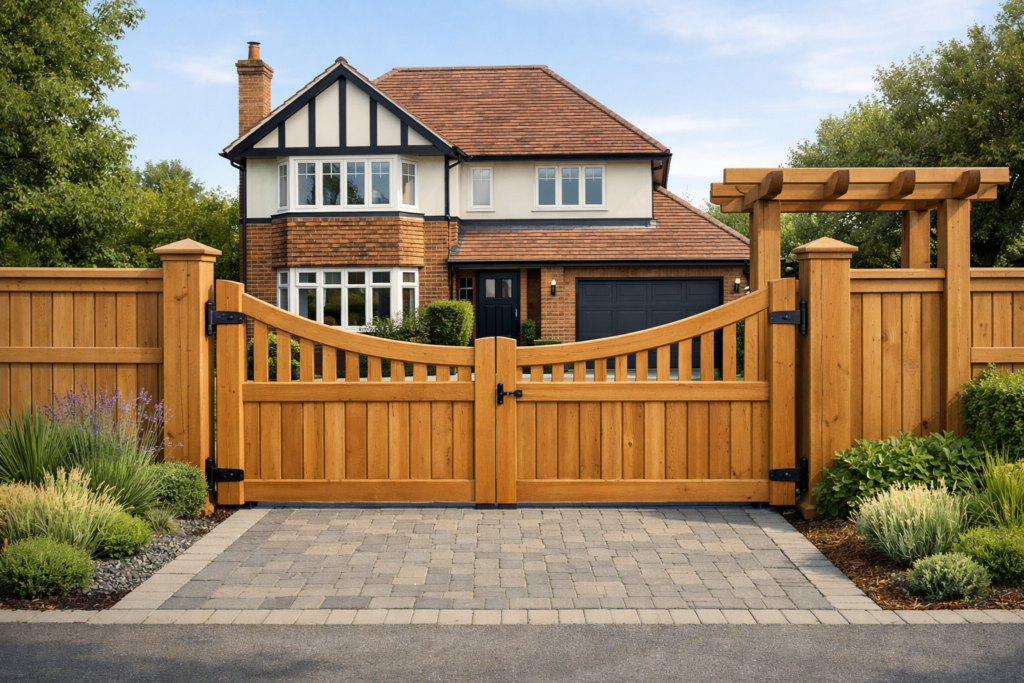
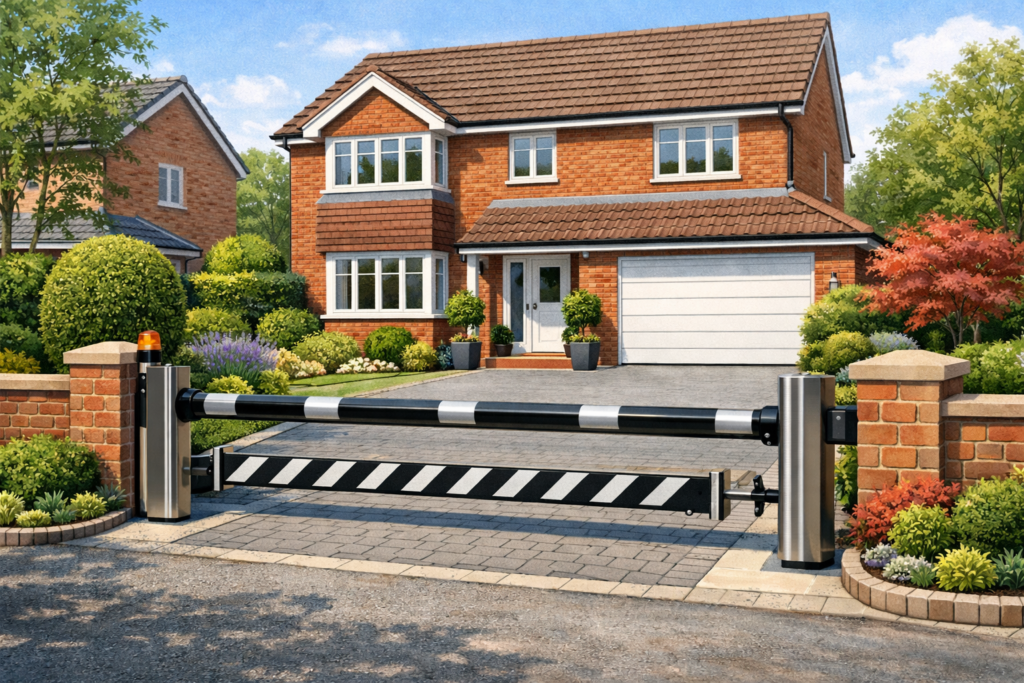
When planning a wider front-of-house upgrade, driveway bricks can work well alongside features like lighting and access control. For ideas on finishing touches, see driveway gates and consider how they might complement the paving.
Maintenance: What You Need to Expect
Driveway bricks are often seen as low maintenance, but that does not mean maintenance-free. A little regular care keeps them looking better and helps avoid more expensive issues later.
Routine sweeping helps prevent debris from settling into joints and encouraging weed growth. Occasional washing can remove dirt, tyre marks and moss, although it is worth using the right pressure and technique to avoid disturbing the surface.
Joint maintenance is especially important. If the sand or jointing material starts to wash out, the bricks may loosen and movement becomes more likely.
Weed control should be managed early. It is easier to treat small growth before it becomes established across the driveway, particularly around the edges and between joints.
Stain management also deserves attention. Oil, leaf tannins and muddy water can all leave marks if left too long, so prompt cleaning is usually best.
If the driveway is exposed to winter weather, keeping an eye on surface condition matters even more. For cold months, our article on driveway salt explains what to consider before using de-icing products on different surfaces.
When Driveway Bricks Are a Strong Choice
Brick paving tends to suit homes where appearance matters as much as function. It is especially appealing if you want the driveway to feel like part of the overall design rather than a purely practical strip of hardstanding.
They are a strong choice for period homes, rural properties and houses with brick façades or traditional features. The material feels at home in those settings and can improve the sense of continuity from street to front door.
Driveway bricks also make sense if you value repairability. The ability to lift and replace individual units can be a real advantage over surfaces that need larger sections reworked when they are damaged.
They are often a good option when you plan to stay in the property for a long time. The up-front cost can be easier to justify when you think of it as a long-term improvement rather than a quick cosmetic change.
When You May Want to Consider Something Else
Brick paving is not always the most practical choice. If budget is tight, the total installed cost may steer you towards a simpler surface that still performs well without such a high initial outlay.
If the driveway is very large, the amount of labour involved in laying bricks can make the project considerably more expensive. In those cases, a different surface might offer better value for money.
You may also want to look elsewhere if your priority is very low maintenance. While brick driveways can be manageable, they usually need more care than some sealed or bonded surfaces.
Homes with complicated drainage issues or soft, unstable ground may also need a more carefully engineered solution. A specialist installer can assess whether brick paving is suitable or whether another system would be more reliable.
Common Mistakes Homeowners Make
One of the biggest mistakes is choosing bricks purely for appearance. A driveway needs to work in all weather, support vehicle loads and remain practical over time, not just look attractive during the first few weeks.
Another common error is underestimating the importance of preparation. The sub-base, edge restraints and bedding layers are what keep the driveway performing properly, and corners cut here usually show up later as movement or sinking.
Some homeowners also forget to plan for drainage. Water that sits on or near the driveway can shorten its life and create nuisance problems around the entrance.
It is also easy to overlook access needs. Think about parking angles, bin movement, turning space and how the driveway will work in wet or icy weather, not just how it will appear from the road.
What to Ask Before You Commit
Before choosing driveway bricks, it is worth asking a few practical questions about your property and how you use it. The answers will help you decide whether this material is genuinely right for your home.
Consider how much traffic the driveway will take, whether there are drainage concerns, and how much maintenance you are prepared to do each year. These details matter more than a brochure image or a single sample brick.
You should also ask about installation depth, sub-base materials and whether the chosen brick type is suitable for vehicle traffic. A reliable installer should be able to explain why the specification is appropriate for your site conditions.
If you are still comparing approaches, it may help to look at wider driveway service options as well. Our article on a driveways company can help you think about the kind of contractor support that suits a project like this.
What We Get Asked…
Do driveway bricks crack easily?
Not usually, provided they are installed on a stable base and the driveway is built for domestic vehicle loads. Problems are more often caused by poor ground preparation than by the bricks themselves.
Are brick driveways expensive?
They are generally more expensive than some simpler surfaces because of labour and materials. The cost can be worthwhile if you want a decorative, durable finish with long-term visual appeal.
Do brick driveways need sealing?
Not every brick driveway needs sealing, but some homeowners choose it for added stain resistance and colour enhancement. Whether it is worthwhile depends on the brick type, finish and exposure to weather.
Can weeds grow through driveway bricks?
Weeds usually grow in the joints rather than through the bricks themselves. Good installation, proper jointing and regular maintenance all reduce the risk significantly.
Are driveway bricks slippery in winter?
They can become slippery if moss, ice or standing water are left unchecked. A well-drained surface with sensible maintenance is much safer in cold weather.
Our Final Thoughts
Driveway bricks can be an excellent choice for the right home. They offer charm, flexibility and a solid, dependable finish that works particularly well where kerb appeal matters and the driveway is an important part of the property’s overall look.
They are not the cheapest option, and they do need proper installation and regular care, but those trade-offs are often worthwhile for homeowners who want something practical and attractive with lasting value. If you are comparing surfaces, think about your budget, the style of your home, drainage, maintenance and how you actually use the space day to day.
If brick paving sounds like a possible fit, the next step is to gather quotes, ask about foundations and review samples in natural light. A well-chosen brick driveway can improve the approach to your home for many years, so it is worth taking the time to get the details right.