
Choosing a new driveway is about far more than picking a surface that looks smart from the road. The right paving can make parking easier, improve drainage, support the style of your home and reduce maintenance over time. The wrong choice can leave you with cracking, standing water, awkward access or a finish that feels out of place.
That is why driveway paving deserves careful thought before any work begins. The best result depends on your home’s layout, the ground conditions, how the drive will be used and the look you want to achieve. Some homes suit block paving beautifully, while others need a more practical surface that can cope with heavier use or more limited space.
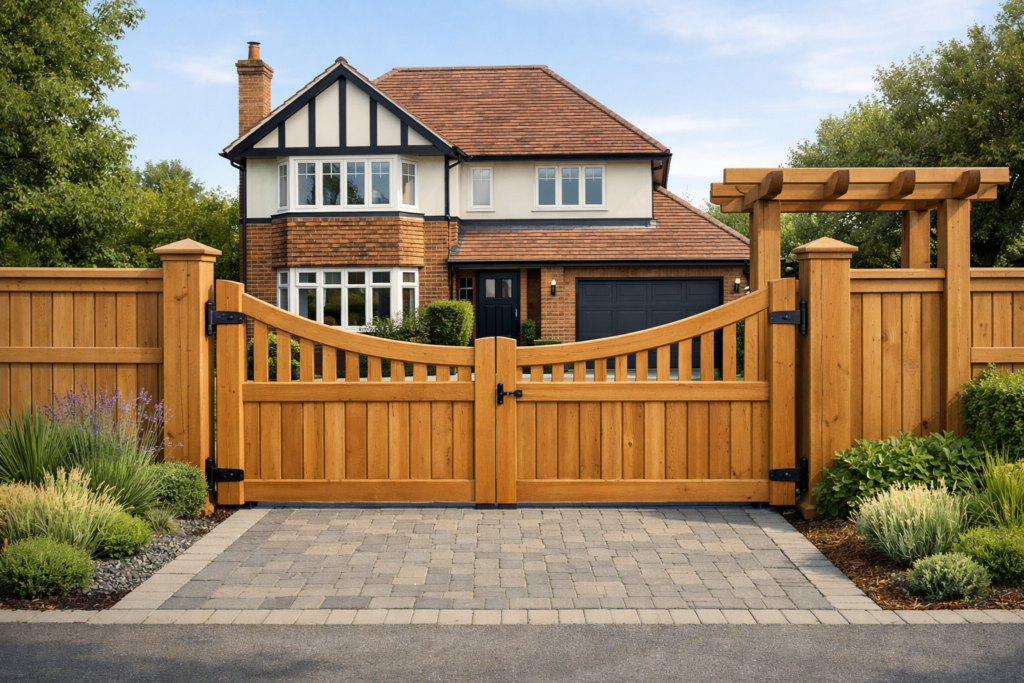
If you are weighing up whether paving is the right route, it helps to look at the full picture. The surface itself matters, but so do drainage, planning considerations, edge restraints, access, and how the driveway will work alongside other features such as landscaping or driveway gates.
What driveway paving can do for your property
Driveway paving is often chosen because it delivers a more finished and deliberate appearance than loose or basic surfaces. A paved drive can frame the front of a property neatly, creating a clearer boundary between parking space, garden and walkway. For many homes, that makes the whole frontage look better organised and better cared for.
It can also bring practical advantages. Paved surfaces are usually easier to sweep, easier to define, and often more comfortable underfoot than gravel. If the driveway is used daily, a solid surface can make loading the car, pushing prams or moving bins much simpler.
The value of paving is not just visual. A well-built driveway can help guide water away correctly, support better access in wet weather and reduce the mess that often comes with muddy or uneven ground. For older homes or properties with worn existing hardstanding, the improvement can be significant.
When paving is a strong choice
Paving is not automatically the best answer for every property, but it is often a strong option where appearance and structure both matter. It works particularly well where the drive is visible from the road and contributes to the first impression of the home. In these cases, the pattern, colour and finish of the paving can make a noticeable difference.
It is also well suited to homes where the driveway is expected to see regular use. Families with multiple cars, repeated visitor parking or frequent deliveries tend to benefit from a surface that is clear, stable and durable. If your current access feels rough or inconsistent, paving can bring order to the space.
Properties with defined borders, paths or landscaped front gardens can also suit paving very well. Matching the driveway finish to the house style, boundary walls and planting can create a cohesive look that feels intentional rather than purely functional. That balance is one of the main reasons homeowners choose paving over simpler alternatives.
Signs paving may suit your home:
- You want a smart, structured appearance at the front of the property.
- The driveway is used every day and needs a dependable surface.
- You want easier cleaning and clearer parking spaces.
- Your home benefits from neat lines and a defined entrance.
Where driveway paving can fall short
Although paving offers plenty of benefits, it is not the best fit in every situation. One common issue is cost. A properly installed paved driveway is usually more expensive than some simpler surface options, especially if the existing ground needs substantial preparation. For budget-conscious projects, that can make a big difference.
Another consideration is maintenance. While paving is relatively straightforward to look after, it is not maintenance-free. Joints may need occasional attention, weeds can appear if the structure is poor, and some surfaces may need sealing depending on the chosen material. If a homeowner wants the least possible upkeep, another driveway type may suit better.
Drainage is also important. If paving is installed without the correct fall, sub-base or permeable approach, water can pool at the front of the house or run where it should not. That can lead to long-term problems and may create compliance issues depending on the layout and local rules.
Common drawbacks to think about:
- Higher installation cost than simpler finishes.
- Need for proper groundwork and drainage design.
- Possible weed growth if the build quality is poor.
- Some finishes can become slippery if not chosen carefully.
How the right paving material changes the result
The phrase driveway paving covers several different materials, and each one behaves differently. The right choice will depend on your priorities, whether that is style, strength, budget or upkeep. It is worth comparing the options carefully before settling on one solution.
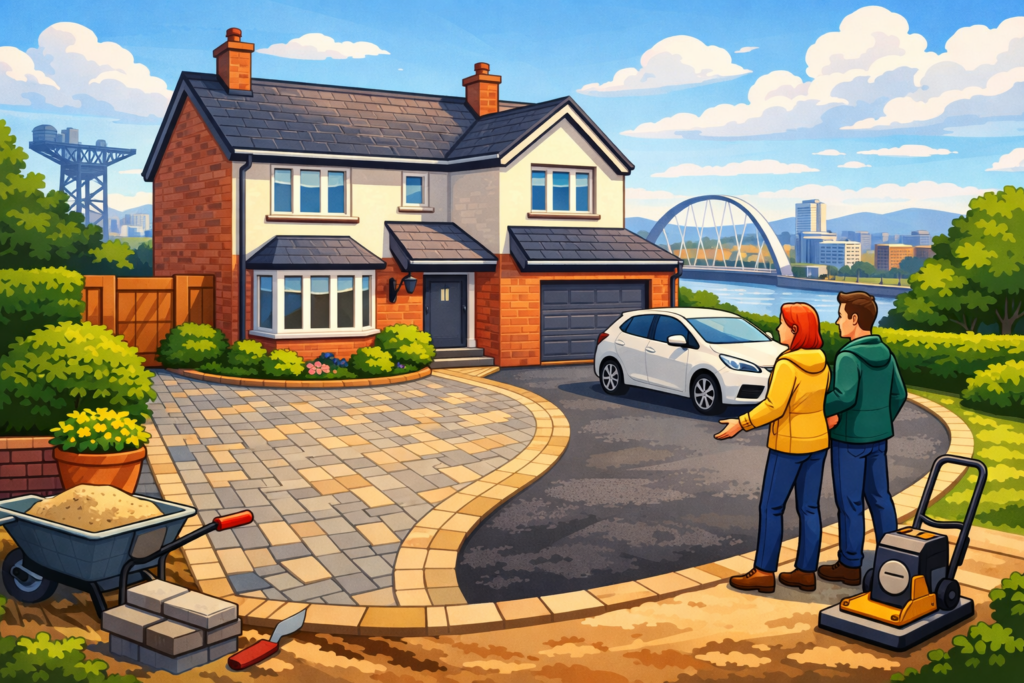
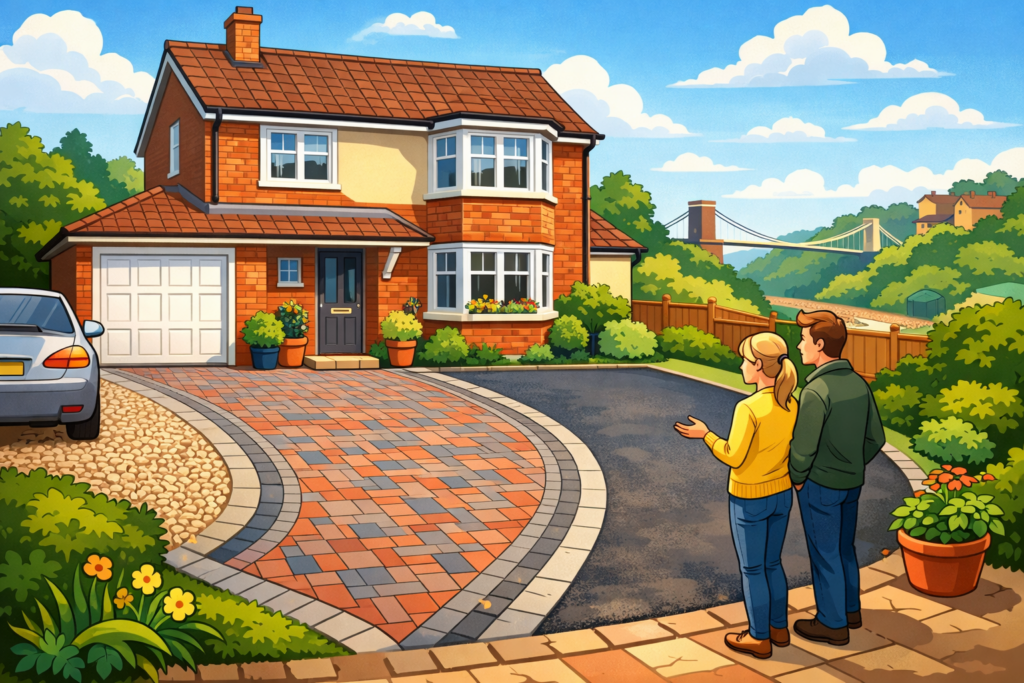
Block paving is often chosen for its versatility. It can be laid in many patterns, repaired locally if needed and tailored to different styles of property. However, it must be installed well or the joints and edges may not hold up as expected.
Tarmac offers a cleaner, more uniform finish and can be a practical choice for homeowners who want something robust and straightforward. For properties where appearance needs to balance with affordability, it is worth exploring whether a tarmac driveway fits the site and the intended use.
Resin-bound surfacing can provide a smooth, contemporary appearance with good permeability when installed correctly. It is often considered by homeowners who want a lower-maintenance finish and a lighter visual feel. If that sounds appealing, it may be useful to compare it with a resin driveway before making a decision.
Matching material to property style
Traditional homes often suit paving with a more classic tone, such as rich block colours or textured finishes. Modern homes may look better with cleaner lines and more restrained colouring. The surface should feel like part of the property, not an afterthought.
It can help to think about roof colour, brick tone, window frames and boundary treatments. A driveway does not need to match everything exactly, but it should sit comfortably within the wider exterior palette. That is often where the most successful results come from.
Practical factors to assess before you decide
Before you commit to paving, it is worth looking closely at the day-to-day realities of your site. The shape of the land, the amount of slope, turning space and vehicle size all affect how well a paved driveway will work. A surface that looks beautiful on paper may still be awkward if the layout is tight.
Ground condition matters as well. If the existing base is unstable, soft or poorly drained, the installation may need more excavation and build-up than expected. That affects cost and timing, but it also affects the finished performance of the driveway.
Access for the installation team is another practical issue. Narrow side passages, shared access or limited storage space for materials can all make a project more complex. These factors should be discussed early so the scope and cost are realistic.
Questions worth asking yourself:
- Does the driveway need to support one car or several?
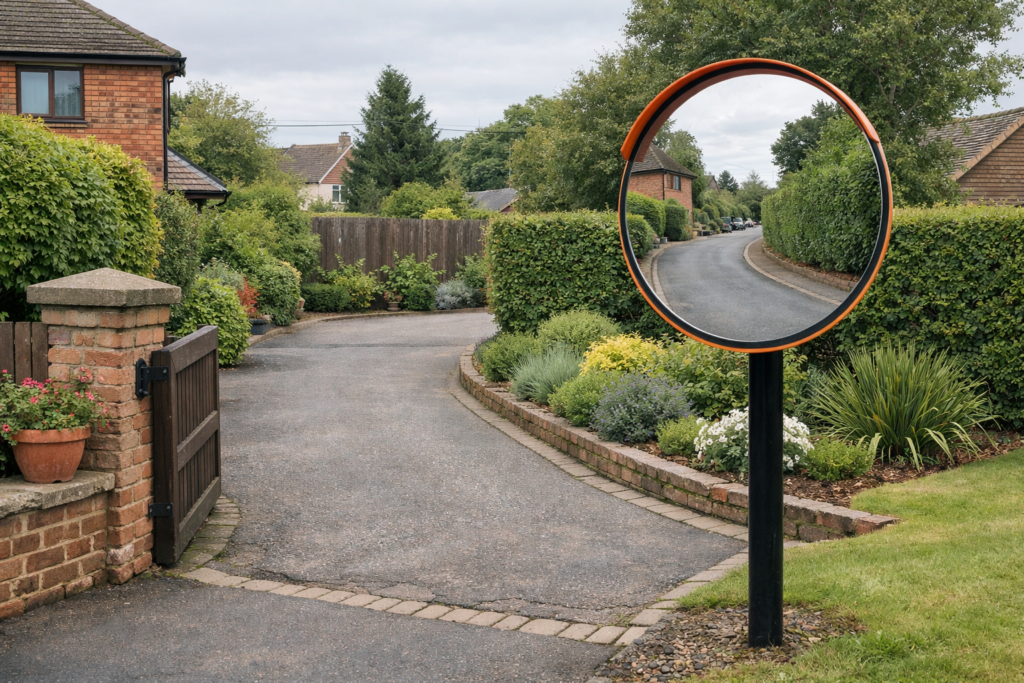
- Is there enough room to park and reverse comfortably?
- Will rainwater drain away naturally or need a designed solution?
- Is the front garden better suited to a fully paved or partly landscaped approach?
Drainage, regulations and long-term performance
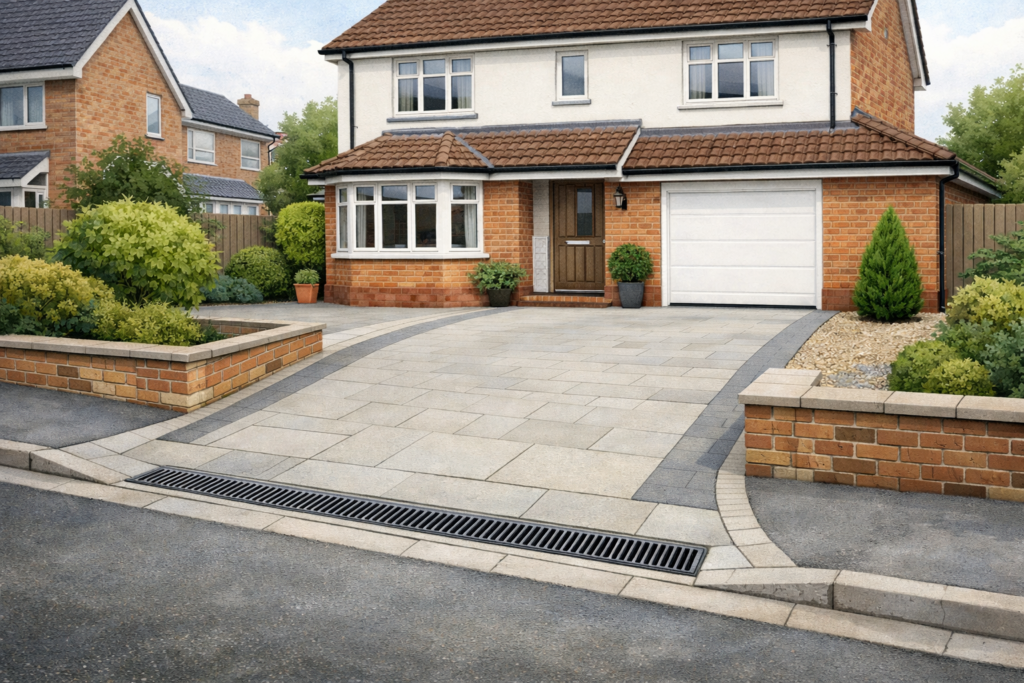
Drainage is one of the most important parts of any driveway project, yet it is often overlooked by homeowners focused on appearance. A paved driveway must be designed so water does not sit on the surface or run towards the house. That is essential for both performance and peace of mind.
In many cases, permeable paving or drainage features such as channels or soakaways may be needed. The best approach depends on the size of the drive, the materials used and where the water naturally flows. Getting this right at the start can prevent much bigger issues later.
It is also wise to check whether planning considerations apply, particularly if you are paving a large area at the front of the property. Rules around surface water runoff can affect what is acceptable, especially when impermeable materials are involved. A good installer should be able to explain the practical requirements clearly.
Long-term performance also depends on the quality of the base beneath the paving. A well-prepared sub-base, correct compaction and proper edge restraint are what allow the surface to stay level and stable. Without that groundwork, even attractive paving can fail earlier than expected.
How to avoid the most common driveway mistakes
Many problems with driveway paving are caused not by the surface choice itself, but by poor planning. Choosing a style that looks good without considering drainage, load-bearing needs or site conditions is one of the most frequent mistakes. Another is comparing quotes without checking what is included beneath the surface.
Homeowners also sometimes underestimate how much maintenance certain finishes need. Even a durable driveway benefits from occasional cleaning, weed control and inspection of the edges. If those tasks are ignored, the driveway can start to look tired long before it should.
It is equally important not to focus only on price. A very low quote may leave out essential groundwork or use thinner materials than are appropriate. That can lead to movement, sinking or surface failure, which is far more expensive to fix later.
To reduce the risk of problems:
- Ask what preparation work will be done below the surface.
- Check how rainwater will be managed.
- Look at examples of previous work, not just material samples.
- Make sure the design suits your home and daily use.
Is paving the right answer for a front garden makeover?
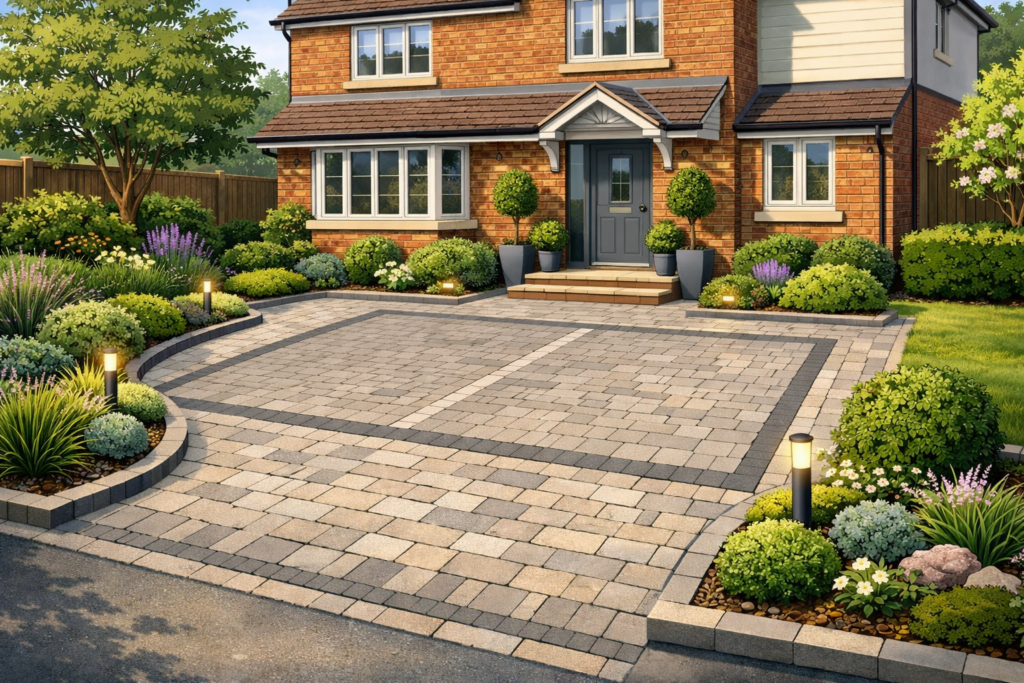
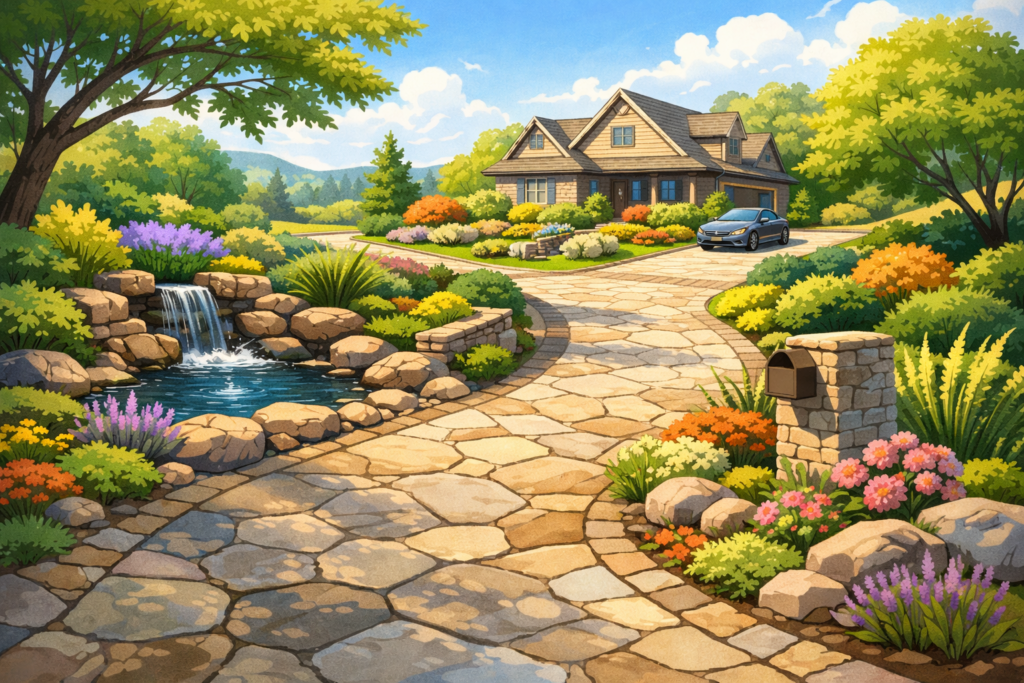
For some homes, driveway paving is part of a broader front garden transformation rather than a stand-alone project. If you want the whole frontage to feel more usable and more attractive, paving can create a strong foundation for planting, lighting and paths. It can also help define where cars should park, which keeps the overall layout tidier.
This is where wider design thinking matters. A paved drive can be paired with borders, edging, steps or access paths to create a balanced look. For ideas on how the driveway fits into the bigger picture, it may help to explore driveway ideas for front gardens.
If the aim is to improve kerb appeal, paving can make a very strong contribution. It gives structure and consistency, which often makes the rest of the frontage easier to design. That said, the best results usually come when hard landscaping and planting are considered together rather than separately.
What We Get Asked…
Does driveway paving add value to a home?
A well-designed paved driveway can improve kerb appeal and make a property easier to use, both of which can support value. The result depends on quality, suitability and how well it complements the house.
Is paving better than gravel?
That depends on what matters most. Paving usually gives a cleaner, more stable surface, while gravel can be cheaper and more informal in appearance.
How long does a paved driveway last?
A properly installed driveway can last many years, but the lifespan depends on the material, the ground preparation and the level of maintenance. Good drainage and a strong sub-base are key to durability.
Do all paved driveways need maintenance?
Yes, although the level varies. Most need occasional cleaning, inspection and minor upkeep to keep the joints, edges and drainage working properly.
Our Final Thoughts
Driveway paving can be an excellent choice for the right home, but it works best when the design, budget and site conditions all line up. A surface that looks appealing at first glance should also suit the way you park, the way water moves across the land and the overall character of the property.
If you are considering a new driveway, start with the practical questions rather than the finish alone. Think about drainage, daily use, maintenance and how the driveway will sit alongside the rest of the front of your home. That approach usually leads to a more satisfying result and fewer surprises later.
If you are still deciding, compare materials carefully and look at how each one would work with your property, not just how it looks in isolation. A professional assessment can help you understand whether paving is the smartest option, or whether another surface would serve you better.