A new driveway can change how your home feels from the moment you arrive. It can make parking easier, improve kerb appeal and reduce the daily hassle of sharing road space or struggling with a muddy frontage.
That said, not every property in Wolverhampton is suited to the same type of driveway, and not every household needs the same level of surfacing, drainage or layout. The best result comes from matching the driveway to the way you use your home, the shape of the plot and the local conditions around it.
For many homeowners, the real question is not simply whether a driveway would look better, but whether it would solve a genuine practical problem. If you are weighing up the options, it helps to understand the benefits, the limitations and the details that often get overlooked until work is already underway.
What makes a driveway worth considering?
A driveway is more than a place to park. It can improve access to the property, keep vehicles off the road and make the front of the house feel more organised and secure.
In an area like Wolverhampton, where properties range from older terraces to newer family homes, driveways can be especially useful when on-street parking is limited. They also help reduce wear on grassed areas and can make day-to-day routines feel much simpler.
The strongest reasons to consider one usually include:
- safer and easier parking close to the house
- better use of front garden space
- reduced pressure on nearby street parking
- a tidier and more attractive entrance
- potential support for property value and buyer appeal
If those points sound relevant, then a driveway may be a sensible investment rather than a cosmetic upgrade. The key is checking whether your property can support it properly before moving ahead.
Is your home a good candidate?
Some properties are naturally suited to a driveway, while others need more planning or may not be suitable at all. The size and shape of your frontage matters, but so do access, boundaries and the height difference between the house and the pavement.
Homes with generous front gardens, side access or a wide plot often make the clearest candidates. Even smaller properties can sometimes work well if the layout is efficient and the chosen material suits the available space.
Consider the following before deciding:
- Can a vehicle enter and leave safely without awkward manoeuvres?
- Is there enough room to park without blocking windows, paths or bin access?
- Would the new surface affect drainage or existing landscaping?
- Are there trees, utility covers or walls that could complicate the build?
If your frontage is tight, the design will need to be carefully planned. That is where speaking to a reputable driveways company can help, as they can assess practical limits rather than simply focusing on appearance.
Local conditions in Wolverhampton that matter
Choosing a driveway in Wolverhampton is not only about style. Local weather, ground conditions and typical property layouts all affect how well a surface will perform over time.
Rainfall, freeze-thaw cycles and regular vehicle use all put stress on driveways, especially if the base is not built correctly. A surface that looks neat on day one can quickly become problematic if drainage is poor or the sub-base has not been installed to the right standard.
Factors that often matter locally include:
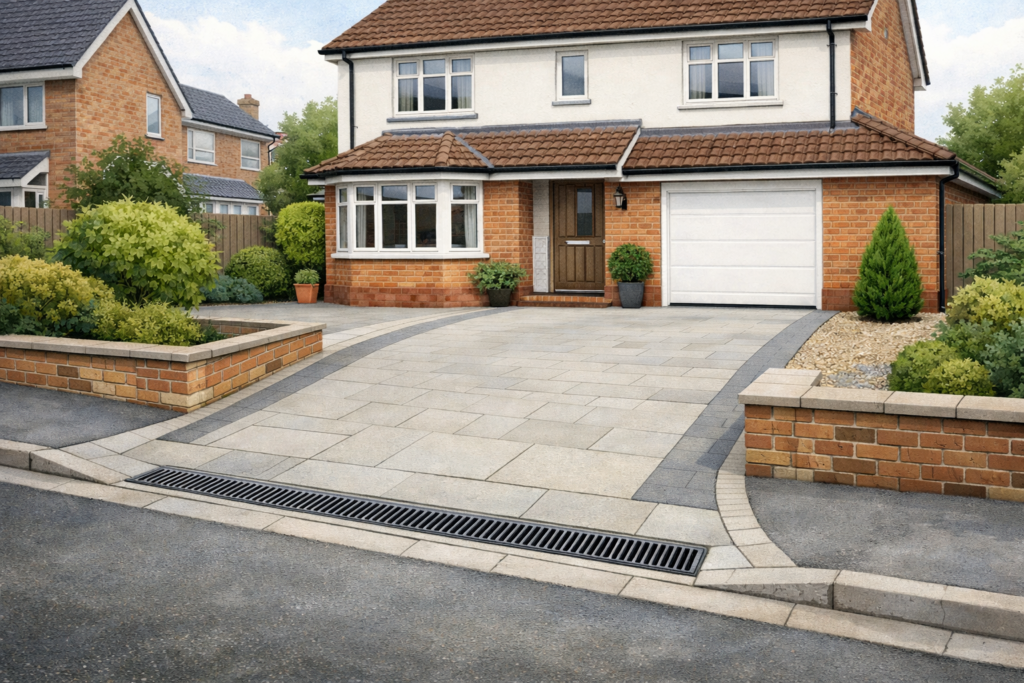
Drainage – Surface water needs a route away from the property. Poor drainage can lead to puddling, staining, moss growth and in some cases planning issues.
Soil and ground stability – Some plots need extra preparation if the ground is soft or uneven. This affects long-term performance more than many homeowners realise.
Frontage width – Older homes may have narrower entrances that need a more compact design or a surface that makes visual space feel larger.
Neighbouring properties – The appearance of a new driveway should work with the surrounding street, especially where homes share a similar character.
These considerations are why a local approach is important. The right driveway is not just the one that looks best online, but the one that fits the realities of your plot.
Which driveway types suit different homes?
There is no single best surface for every Wolverhampton home. The right choice depends on budget, appearance, maintenance and how heavily the driveway will be used.
Concrete can be a strong option if you want a durable, low-maintenance surface with a clean finish. It is particularly useful where parking demands are high and long-term practicality matters more than decorative detail, and you can explore the pros and cons in our article on whether a concrete driveway suits your home.
Gravel is often chosen for its character and affordability. It can work well on larger frontages or rural-edge homes, though it may not suit households that want a very neat or quiet surface, as discussed in the benefits of a gravel driveway.
Tarmac offers a tidy and practical finish that suits many modern and traditional homes. It is popular where homeowners want a reliable surface without too much visual complexity, and it can be a sensible option if you are looking at a tarmac driveway for your property.
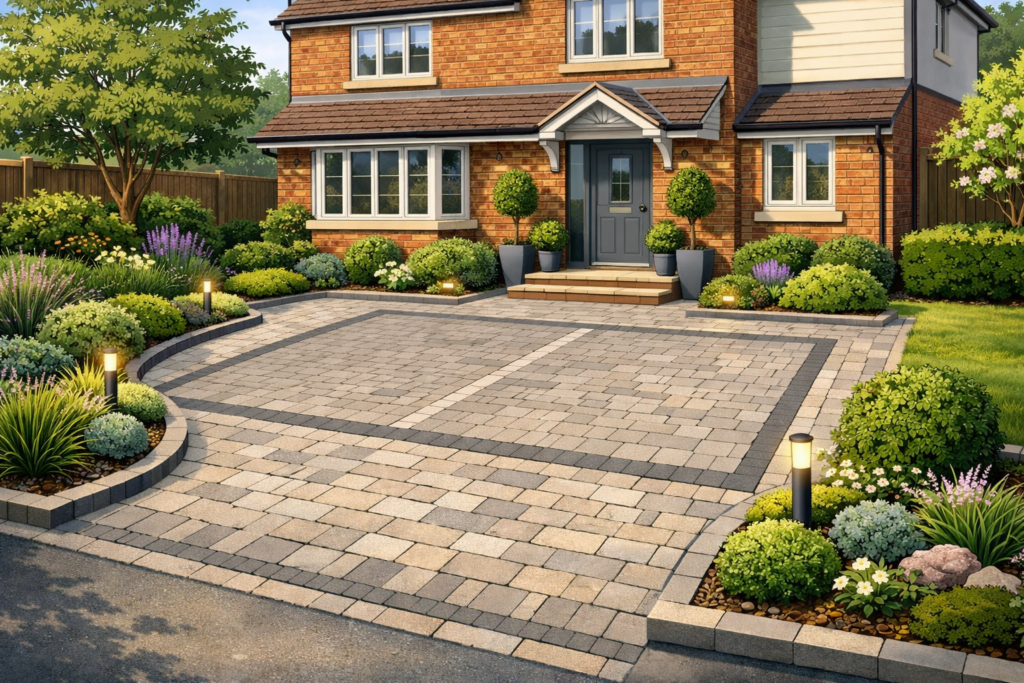
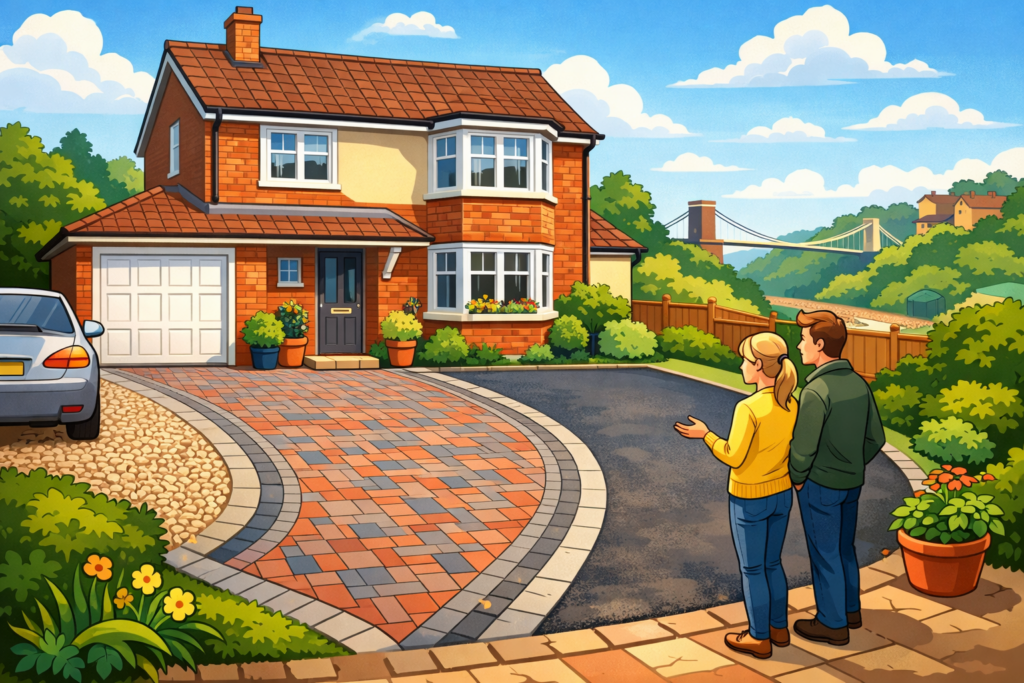
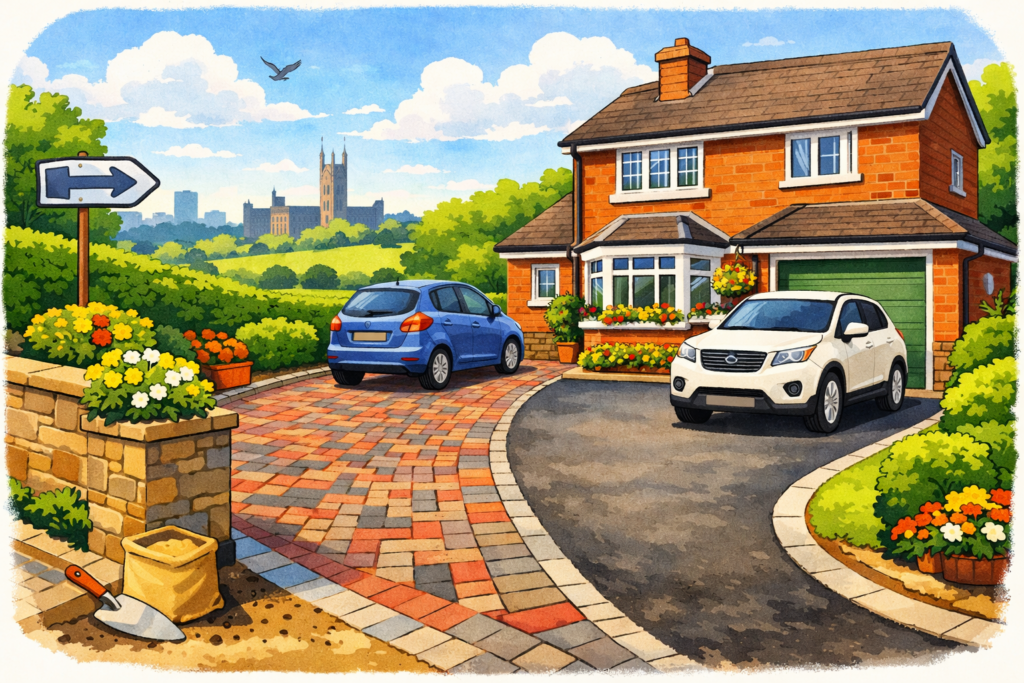
Paving gives more choice in colour, pattern and edge detail. It is often chosen where kerb appeal matters, although the quality of the installation is crucial if the driveway is to stay level and stable.
Brick and stone can create a more distinctive finish, especially on older or character properties. If you are interested in a more textured look, it is worth considering driveway bricks for a neat finish or a stone driveway for added character.
The practical benefits beyond appearance
Many people first think about how a driveway will look, but the everyday benefits are often more important. A good driveway can make routines smoother, especially for families, commuters and households with more than one car.
Convenience is usually the biggest gain. Instead of circling for parking or carrying shopping across a wet pavement, you can pull in and step straight to the door.
Safety also improves when vehicles are kept off busy roads. This is especially useful where children, older residents or frequent visitors use the front of the property regularly.
Kerb appeal matters too. A smart entrance can make the whole house feel better cared for, which can be important if you plan to sell in future.
Front garden management is another overlooked benefit. A well-designed driveway can reduce muddy patches, prevent rutting and make the outside space easier to maintain through the seasons.
Common mistakes homeowners make
A driveway can be a very worthwhile improvement, but it is easy to get the details wrong. The most common issues usually come from rushed planning rather than poor materials.
One common mistake is choosing a surface based on appearance alone. A driveway that looks attractive may still be unsuitable if it does not handle drainage, traffic levels or the amount of maintenance you are prepared to do.
Another problem is underestimating the importance of the base. The top surface is only as good as what sits underneath it, and poor ground preparation often leads to sinking, cracking or uneven edges.
Other mistakes to avoid include:
- ignoring how water will run off the surface
- failing to check whether permission or planning restrictions apply
- not allowing enough space for turning or opening car doors
- choosing a finish that clashes with the house style
- skipping maintenance planning for weeds, staining or loose material
Getting these details right from the start can save a lot of repair work later. It also means the driveway will feel like a genuine improvement rather than a compromise.
Planning permission, drainage and regulations
Before installing a driveway, it is sensible to understand the rules that may apply. Some projects fall within permitted development, but others may need permission, particularly if you are changing access points or working on a larger frontage.
Drainage is especially important. Many surfaces must allow water to drain into a suitable soakaway, permeable area or designed system rather than flowing straight into the road.
It is worth checking:
- whether your property has a dropped kerb or needs one
- if your chosen material is permeable enough for the site
- whether any part of the frontage is protected or restricted
- if nearby trees, walls or services could be affected
If you are unsure, get advice before any ground is broken. A small amount of early planning can prevent costly delays and avoid awkward changes later in the process.
How to judge long-term value
A driveway should be judged on more than the installation price. The better question is how well it will serve the property over the next ten to twenty years.
Lower-maintenance surfaces may cost more initially, but they can save time and money later. On the other hand, a more decorative surface may suit your home better if kerb appeal is your main priority.
Ask yourself these questions:
Will the surface cope with the weight and frequency of your vehicles?
How much maintenance are you realistically willing to do each year?
Does the design fit the character of the house and street?
Will the driveway still look smart after regular use, winter weather and everyday parking?
These questions help shift the focus from short-term cost to long-term value. That is usually the best way to decide whether the project truly suits your home.
When a driveway may not be the best choice
There are situations where a driveway is not the right answer, even if it would be convenient. Some homes have frontages that are simply too small, too steep or too constrained by access limitations.
If creating parking would remove too much garden space, affect privacy or leave the front of the property looking cramped, the trade-off may not be worthwhile. Similarly, if access requires major changes to the kerb or boundary, the cost and disruption can outweigh the benefit.
Homes with limited frontage may still improve access through smaller changes, such as better hard landscaping, smarter turning space or a more durable path. In some cases, the best decision is to leave the area as it is and focus on other improvements.
It can also be useful to compare your needs with other driveway types and layouts. For example, if you want a broad overview of how surfacing choices affect suitability, our article on whether driveway paving is right for your home may help you narrow down the options.
What We Get Asked…
Do I need planning permission for a new driveway?
Not always, but it depends on the size of the area, drainage arrangements and whether you are changing access to the road. It is best to check the local requirements before work starts.
Which driveway surface is easiest to maintain?
That depends on the material and the site. Concrete and tarmac are often lower maintenance, while gravel and block paving may need more regular attention.
Can a driveway add value to my home?
It can, particularly where off-street parking is valuable and the driveway is well designed. The effect on value depends on the neighbourhood, the quality of the finish and how practical it is for buyers.
How do I know if my front garden is large enough?
There needs to be enough room for safe access, parking and turning without making the frontage awkward. A site visit from a local specialist is usually the easiest way to judge this properly.
Is gravel a good option for Wolverhampton homes?
It can be, especially where you want a cost-conscious and attractive finish. It is less suitable if you want a very quiet surface or minimal day-to-day upkeep.
Our Final Thoughts
A driveway can be a strong choice for many Wolverhampton homes, but only when it genuinely fits the property and the way you live. The best results usually come from balancing appearance, drainage, maintenance and access rather than focusing on one feature alone.
If you are still unsure, take time to assess your frontage honestly and compare the practical benefits against the space you would give up. A well-planned driveway should make life easier, not create fresh complications.
If your home seems like a good match, the next step is to speak with a trusted local specialist who can assess the site and recommend the most suitable solution. That way, you can choose a driveway that works well now and continues to perform for years to come.