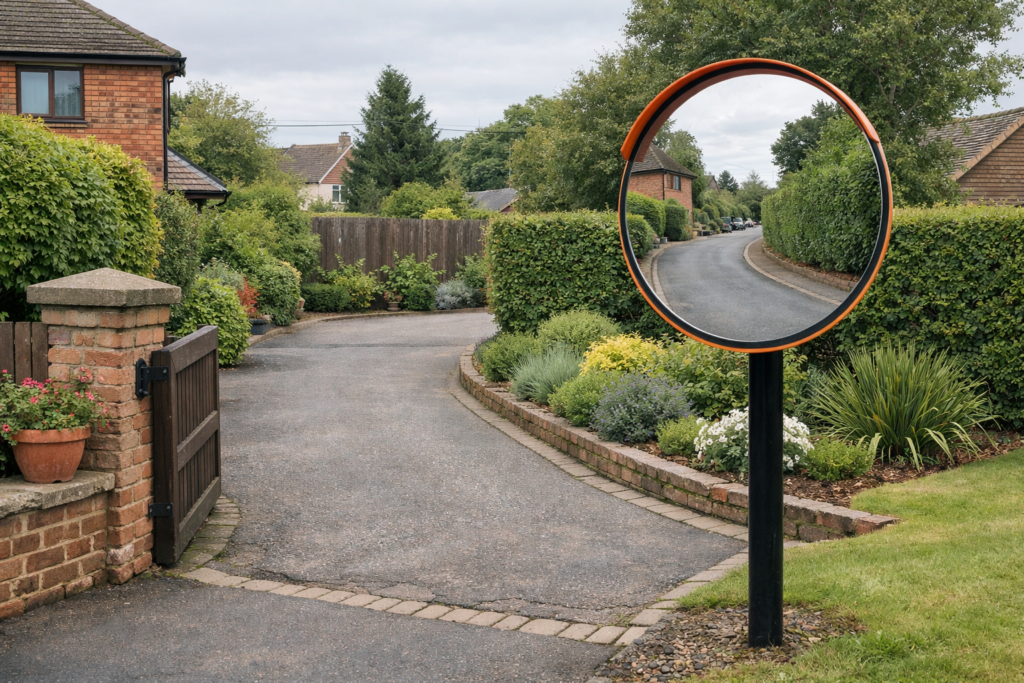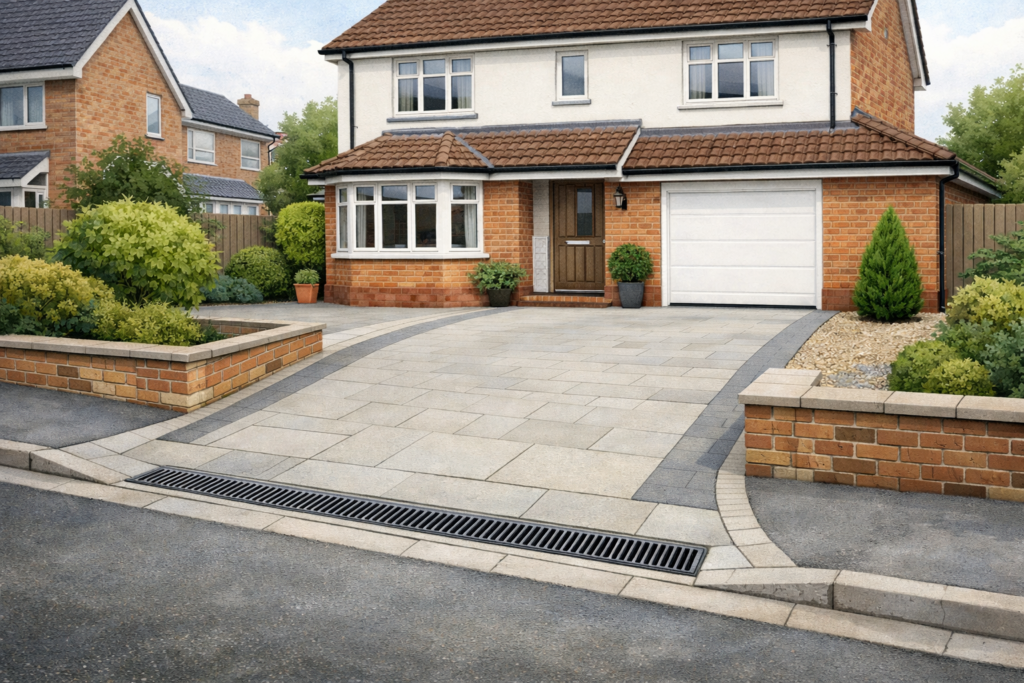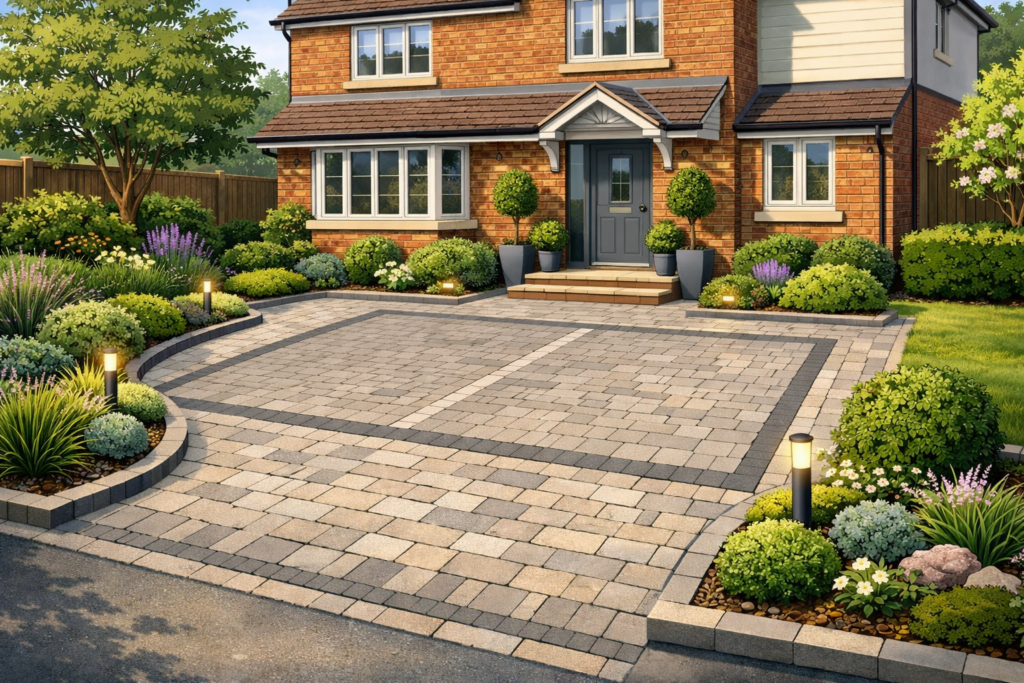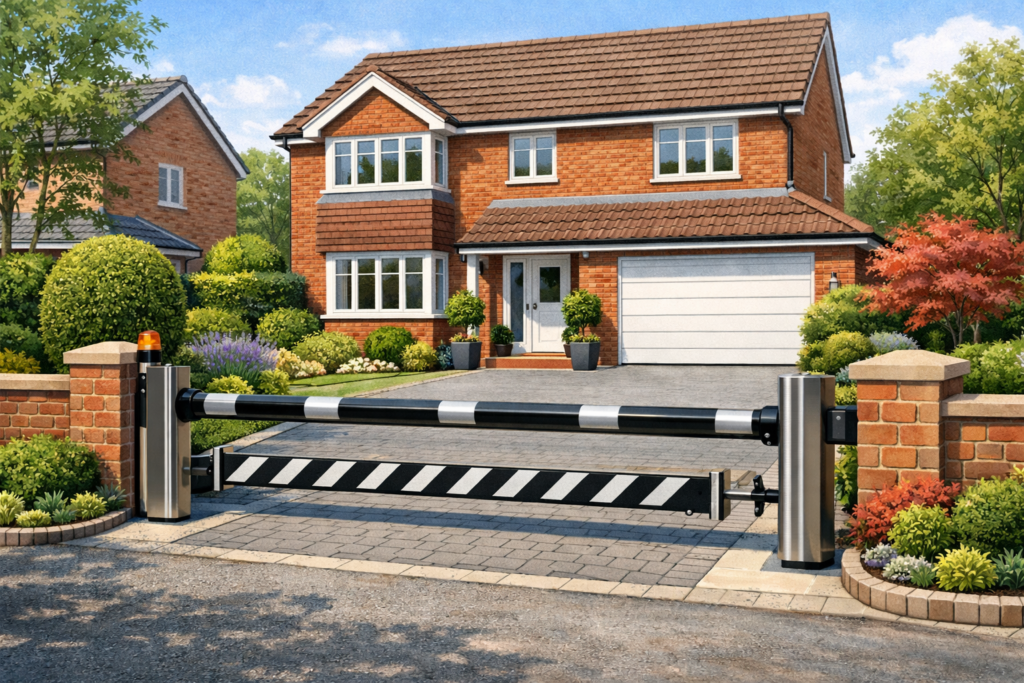

Driveway bollards are one of those front-of-property features that often get overlooked until they become necessary. They can stop unwanted parking, protect vehicles, define access and give a driveway a more finished look without making the entrance feel heavy or overbuilt.
For many homeowners, the challenge is not deciding whether bollards are useful, but deciding which type suits the space, the budget and the way the driveway is used day to day. A good choice should feel secure without being awkward, and smart without creating maintenance headaches.
That balance matters because driveway bollards are doing several jobs at once. They need to fit the property, withstand regular use, and support the wider look of the frontage, especially where kerb appeal matters alongside practical access.
They also need to be chosen carefully if you already have other features in place, such as driveway gates, security lighting or a particular paving style. When all the elements work together, the entrance looks intentional rather than pieced together.
Why driveway bollards matter
The simplest reason to install bollards is to control access. A visible barrier can discourage unwanted parking, reduce the chance of vehicles entering where they should not, and help protect vulnerable areas such as garage doors, walls or boundary edges.
They are also useful where a driveway opens directly onto a busy road or shared access route. In those settings, bollards can help define where the vehicle space ends and where pedestrians, visitors or neighbouring traffic should stay clear.
Beyond security, bollards can improve day-to-day practicality. They can guide reversing, protect planted borders, and make it easier to keep the front of the property tidy and organised.
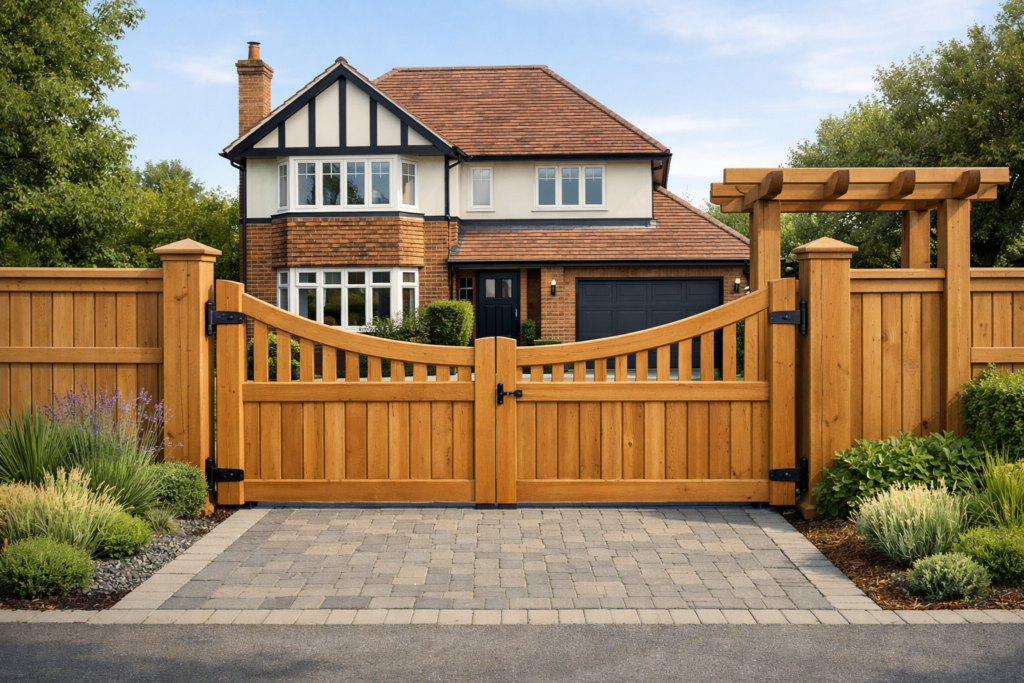
Homeowners often pair bollards with other access features to create a layered approach. For example, a driveway may use bollards as a visible deterrent while also benefiting from driveway gates with real purpose for stronger control.
Choosing the right type of bollard
Not all bollards serve the same purpose, and that is where many people make the first mistake. The best choice depends on whether you want permanent protection, occasional access control or something that blends more discreetly into the setting.
A fixed bollard is usually the most secure option. It is anchored into the ground and remains in place, which makes it suitable for preventing vehicle access or protecting a specific point from impact.
Removable bollards are a good option when you sometimes need full access across the entrance. They can be lifted out when required, which works well for larger vehicles, occasional deliveries or shared drives.
Retractable bollards sit lower in the ground when not in use and rise when needed. They are neat and convenient, though they usually cost more and need careful installation to avoid issues with drainage or sticking mechanisms.
Decorative bollards are more about marking boundaries and improving appearance than creating a strong barrier. They can still play a useful role, especially where the driveway needs gentle definition rather than overt restriction.
Materials and finish: what to consider
The material you choose affects appearance, durability and maintenance. It also influences how well the bollards suit the rest of the driveway, which is important if you want the installation to look integrated rather than added as an afterthought.
Steel bollards are popular because they are strong and can be finished in various colours or coatings. Galvanised and powder-coated options tend to perform well outdoors, provided they are maintained and protected from chips or corrosion.
Stainless steel can suit modern properties where a cleaner, more contemporary finish is preferred. It can look smart in the right setting, though fingerprints, salt and grime may still need regular cleaning.
Timber bollards may work well in more rural or natural-looking settings. They soften the appearance of the driveway, but they usually need more upkeep and may not offer the same level of impact resistance as metal options.
Plastic or composite bollards are typically lighter duty. They can be suitable for visual marking or low-risk areas, but they are rarely the best choice where security or impact resistance is the priority.
The finish also matters. A glossy surface may look sharp at first, but a more durable coating can be a better long-term choice if the bollards are exposed to weather, road spray or repeated handling.
Security, visibility and everyday use
A good driveway bollard should do its job without creating inconvenience. If it is awkward to use, people will stop using it properly, and that undermines the very reason it was installed.
Visibility is especially important. Bollards should be easy to spot when reversing, manoeuvring or walking near the entrance, particularly in poor light or at night. Reflective bands, contrasting colours or integrated lighting can help.
If the bollards are meant to stop vehicle entry, spacing and height matter. Too low, and they may not provide enough presence; too close together, and they may make the entrance feel cramped or difficult to use safely.
That is why layout should be considered alongside other driveway features. A well-planned entrance, similar to the thinking behind driveway lights for better visibility, tends to perform better than a standalone fitting that has not been matched to the site.
Matching bollards to driveway style
Bollards should complement the property, not compete with it. A sleek modern home often suits slim metal posts with a simple finish, while a period property may look better with something more traditional or understated.
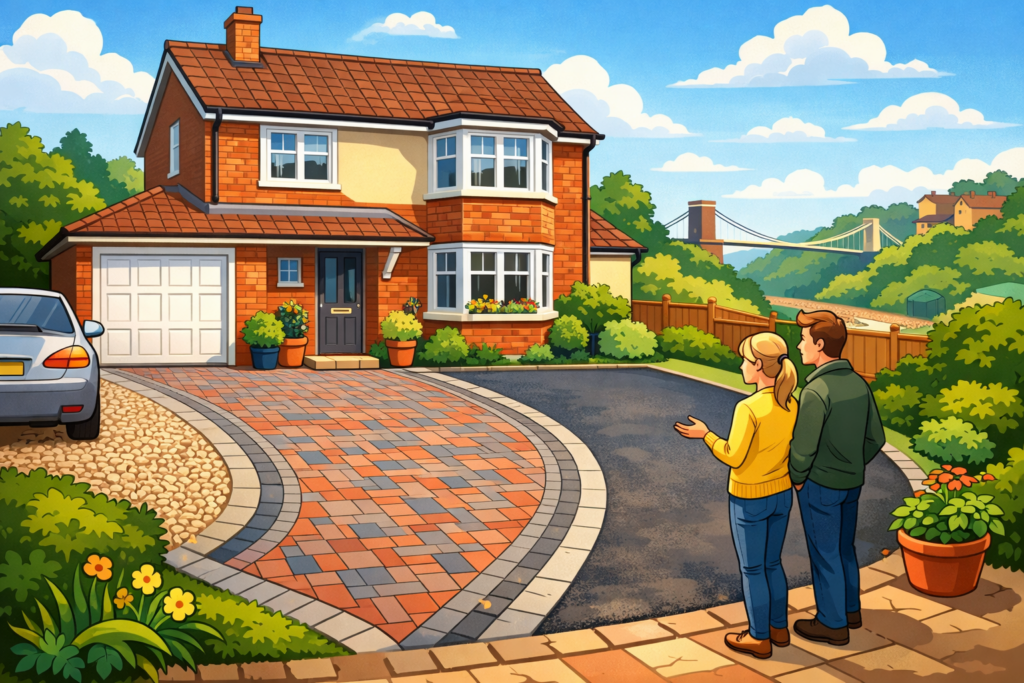
The driveway surface should also influence the choice. On block paving, a carefully aligned set of bollards can reinforce the geometry of the entrance. On gravel, a more robust style may be needed to maintain definition and avoid a makeshift appearance.
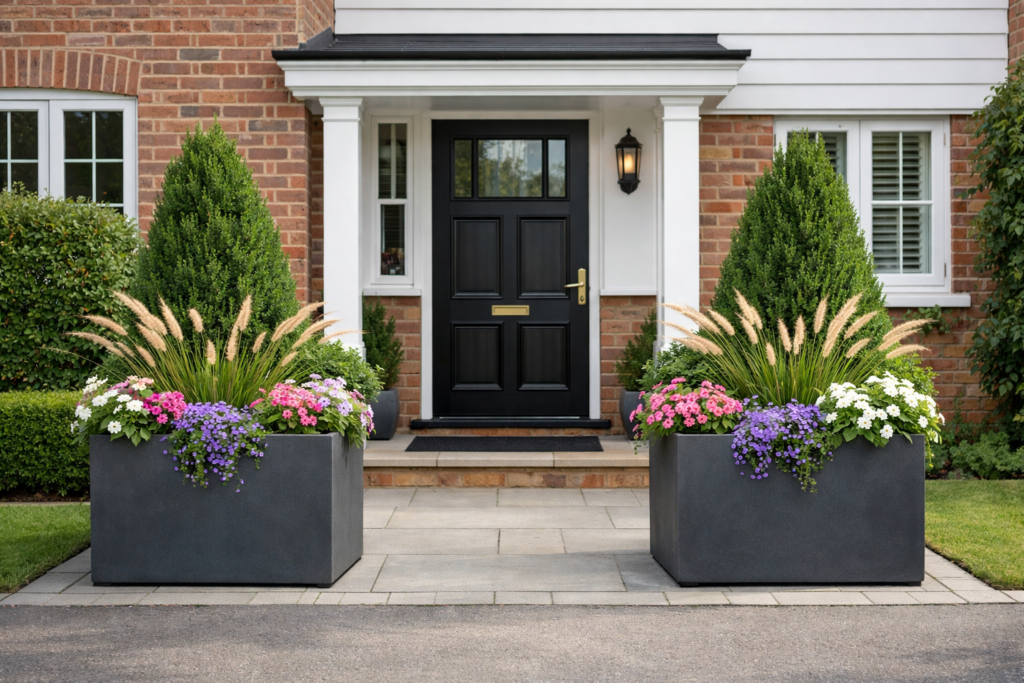
If the frontage already includes decorative planting, stonework or fencing, try to echo those materials or colours. This helps the entrance feel cohesive and can make even a practical security feature appear well designed.
Many homeowners make the mistake of treating bollards as purely functional objects. In reality, they are part of the front-of-house presentation, just like paving, lighting and planting, so the visual effect deserves proper thought.
Installation and groundwork
Installation quality has a direct effect on performance. Even a strong bollard can become a nuisance if the base is poorly set, if the depth is wrong or if water collects around the fixing point.
For fixed bollards, the footing needs to be suitable for the ground conditions and the type of load it may face. If a bollard is intended to resist vehicle movement, the foundation should be specified accordingly rather than treated as a simple surface fitting.
Retractable and removable bollards need even more care because the housing or socket must be level, accessible and protected from debris. If not, they can seize up or become difficult to remove when needed.
Drainage is another common issue. Standing water around a bollard can affect mechanisms, encourage corrosion and make the area look neglected, so the surrounding surface should be planned with runoff in mind.
Where the driveway already has a made-up surface, especially paving or concrete, the installation process should take account of existing levels and finishes. Careful cutting and reinstatement help preserve the look of the entrance, particularly where you want the bollards to sit neatly within a wider design.
Common mistakes to avoid
One of the biggest mistakes is choosing bollards that are too rigid for the way the driveway is used. If family vehicles, deliveries or visitors need regular access, a fixed solution may become more hassle than help.
Another common problem is underestimating the visual impact. A set of heavy industrial-looking posts can overwhelm a small front garden, even if they are technically effective.
Buying on price alone can also lead to disappointment. Cheaper fittings may save money at the outset, but poor finishes, weak fixings or awkward mechanisms can cost more over time in repairs and replacement.
Some homeowners also forget to think about operating space. A bollard that can be opened or removed in theory may still be frustrating in practice if it is awkwardly positioned, especially in wet weather or low light.
Finally, it is easy to overlook how bollards interact with the rest of the access plan. If the driveway already has smarter front garden ideas in place, the bollards should support that layout rather than interrupt it.
Costs, value and long-term upkeep
Price varies widely depending on the material, design and installation method. A simple decorative or fixed bollard will usually cost less than a retractable, lockable or custom-finished option, especially once groundwork is included.
When judging value, look beyond the purchase price. Consider the cost of fitting, the likely maintenance needs, how often the bollards will be used and whether they may need replacement parts later on.
Maintenance is usually straightforward, but it should not be ignored. Metal bollards may need occasional checking for chips, rust or loose fixings, while moving parts should be kept clean and lubricated as needed.
Wooden bollards may require more frequent treatment or replacement, particularly in exposed locations. Even durable materials benefit from regular inspection after severe weather, accidental knocks or seasonal changes.
If you are also weighing up wider driveway improvements, it can help to understand the broader investment first. A better sense of the overall budget, such as the factors discussed in driveway cost planning in the UK, makes it easier to judge whether bollards are a standalone upgrade or part of a larger project.
When bollards are the right choice
Bollards are often the right answer where the priority is clear boundary control without fully closing off the entrance. They are especially effective on smaller front drives, exposed entrances and properties where cars need occasional protection rather than full enclosure.
They can also suit homeowners who want an extra layer of deterrence without installing large gate systems. In some cases, a modest set of bollards is enough to solve a parking or access issue while keeping the driveway open and easy to use.
If your main concern is discouraging casual misuse rather than creating a hard security barrier, bollards may be the most proportionate option. They are visible, practical and often easier to integrate than more substantial alternatives.
That said, bollards are not always the best standalone solution. Where privacy, complete access control or high-security protection is needed, they work better as part of a wider scheme that may include gates, lighting and surface design.
What We Get Asked…
Do driveway bollards actually stop unwanted parking?
They can be very effective because they create a clear physical and visual barrier. Their success depends on height, spacing, placement and whether they are used consistently.
Are retractable bollards worth the extra cost?
They can be, especially where you need flexibility and want a tidier appearance when the driveway is in use. The extra cost is easiest to justify if the space needs to switch between open access and secure restriction.
Can bollards damage a driveway surface?
They can if they are badly installed or if the base is not suited to the surface. Proper groundwork, drainage and correct fixing methods reduce that risk significantly.
What is the best material for a front driveway?
For most homes, galvanised or powder-coated steel offers a strong balance of durability and appearance. The right choice still depends on the style of the property and the level of use.
Do bollards need planning permission?
Sometimes, but not always. It depends on the property, the location and whether the installation affects visibility, access or local rules, so it is sensible to check before work begins.
Our Final Thoughts
Driveway bollards can be a smart addition when security, access control and appearance all matter. The best results come from matching the type of bollard to the way the driveway is actually used, rather than choosing the most robust option by default.
If you get the material, placement and installation right, bollards can solve practical problems while still looking neat and considered. They are most effective when they are part of a broader driveway plan that takes in the surface, lighting and overall frontage design.
If you are weighing up whether bollards suit your home, start with the use case, not the product brochure. Compare the level of control you need, think about maintenance, and make sure the final choice supports both the practical and visual side of the property.
For homeowners planning a wider update to the entrance, it is worth looking at the driveway as a complete system. When bollards are chosen alongside the right surface, lighting and access features, the whole front of the property feels safer, sharper and easier to live with.