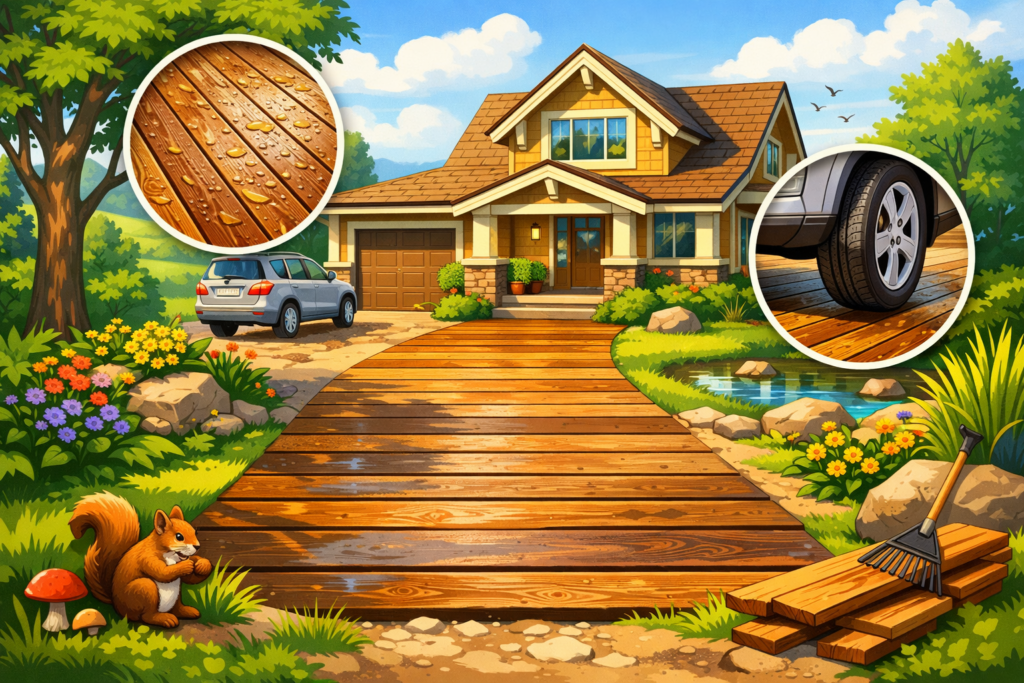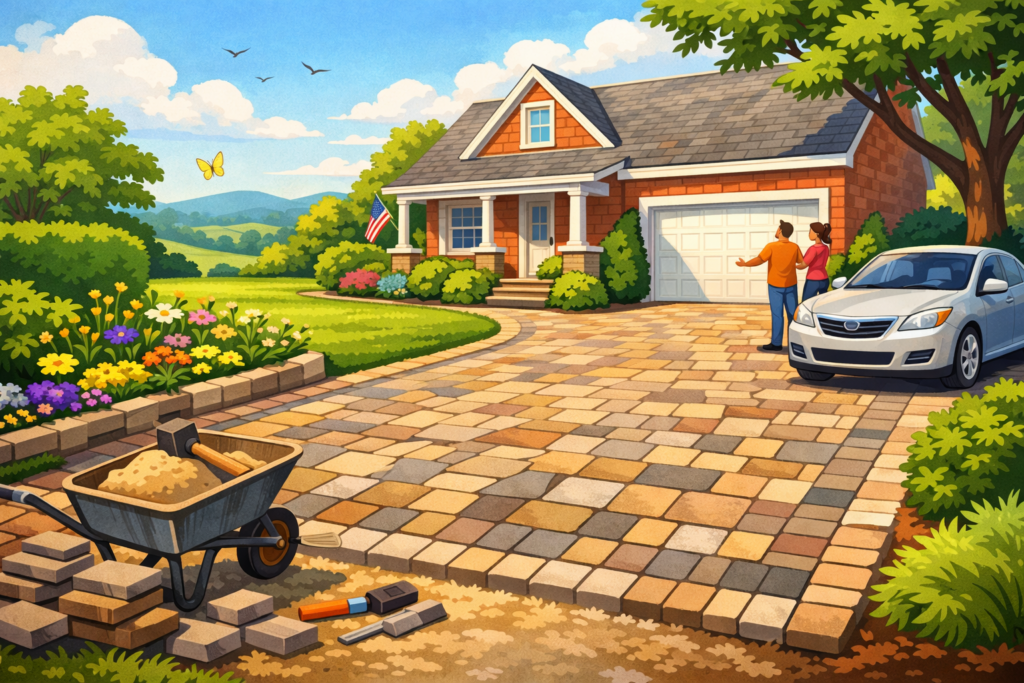
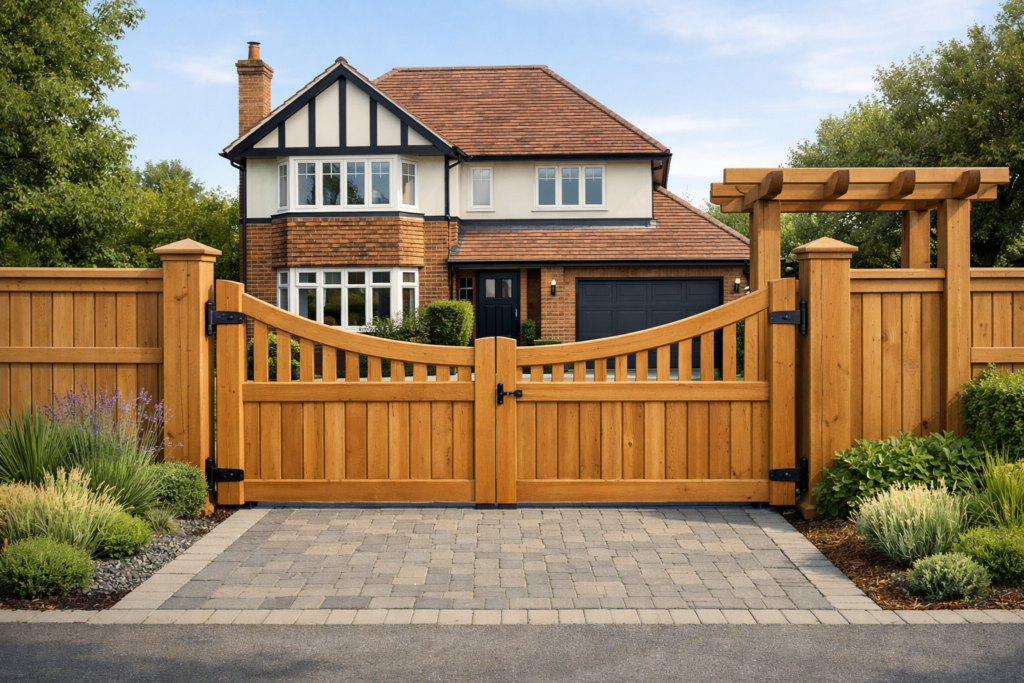
A wood driveway can be a striking alternative to more familiar surfacing options. It brings warmth, texture and a softer look that many homeowners find appealing, especially on properties where natural materials suit the architecture and surroundings.
That said, timber is not a universal solution. A driveway has to cope with daily vehicle traffic, changing weather, water runoff and long-term wear, so the surface needs to be chosen for appearance and performance in equal measure.
The right answer depends on how you use the space, the style of your home and how much maintenance you are willing to accept. It also depends on whether you want the driveway to be a showpiece, a practical parking area, or a bit of both.
What a wood driveway really involves
When people talk about a wood driveway, they usually mean a timber surface, timber-effect system or a driveway that uses wood as a visible design element. In practical terms, that can range from treated timber boards to engineered products designed to handle outdoor loading more reliably than ordinary garden decking.
The key point is that a driveway is not the same as a patio or garden path. It needs to support heavier loads, cope with turning wheels and resist movement caused by moisture and ground conditions.
Wood can look exceptional when it is used in the right way. It can soften hard landscaping, complement period homes and sit naturally beside planting, gravel borders or darker materials.
However, timber needs careful specification. Not every wood species, treatment or installation method will be suitable for vehicles, and poor detailing can quickly lead to rot, warping or unsafe movement.
Why homeowners are drawn to timber
The main appeal of timber is visual. A wood driveway has a natural quality that many other surfaces struggle to match, particularly if you want an entrance that feels welcoming rather than harsh or overly engineered.
It can also work well in settings where conventional block paving or plain concrete would feel too severe. For cottages, rural homes, barn conversions and properties with extensive planting, timber can help the front of the house feel more balanced and less utilitarian.
Another benefit is that wood can be used creatively. It may be paired with gravel, set within framed edging or combined with other materials to create a more bespoke finish.
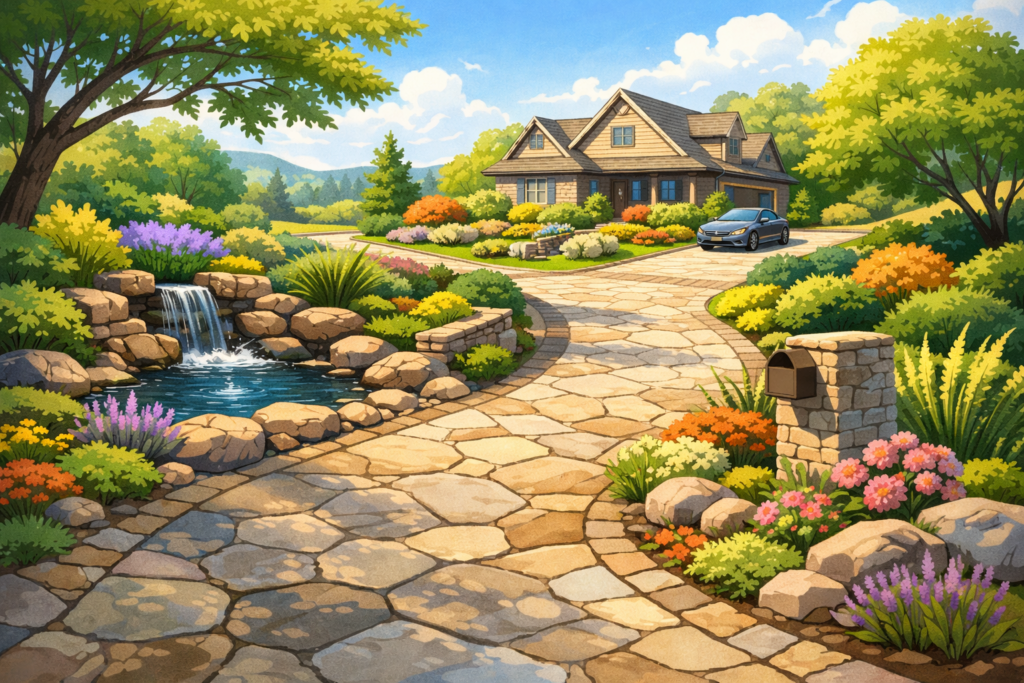
For homeowners exploring wider design choices, it can be useful to compare the effect with an is a landscape driveway right for your home approach, where planting, edging and surface texture all work together.
The practical side of timber driveways
Style matters, but a driveway still has to function day after day. Timber can perform well in some situations, but only if the structure beneath it, the material selection and the drainage design are all properly planned.
Load-bearing performance is one of the first questions to ask. Cars create concentrated pressure, especially when turning or braking, and the surface needs enough strength to avoid flexing or shifting.
Moisture management is equally important. Wood exposed to standing water is much more likely to deteriorate, which means drainage and ventilation are critical from the outset.
Surface traction should also be considered. Wet timber can become slippery, so the finish, grain, spacing and maintenance regime all matter more than many homeowners expect.
Where a wood driveway works best
Timber is usually best suited to homes where appearance is a major priority and the driveway is not subject to exceptionally heavy use. A single-family home with light to moderate vehicle traffic may be a better candidate than a busy property with frequent turning and deliveries.
It can also work well in sheltered or partially covered areas where the timber is less exposed to prolonged rain. If the entrance is naturally protected by trees, walls or rooflines, the material may have an easier life.
Wood often suits homes with character. Think of properties where brick, stone, render and planting already do much of the visual work. In those settings, timber can feel intentional rather than surprising.
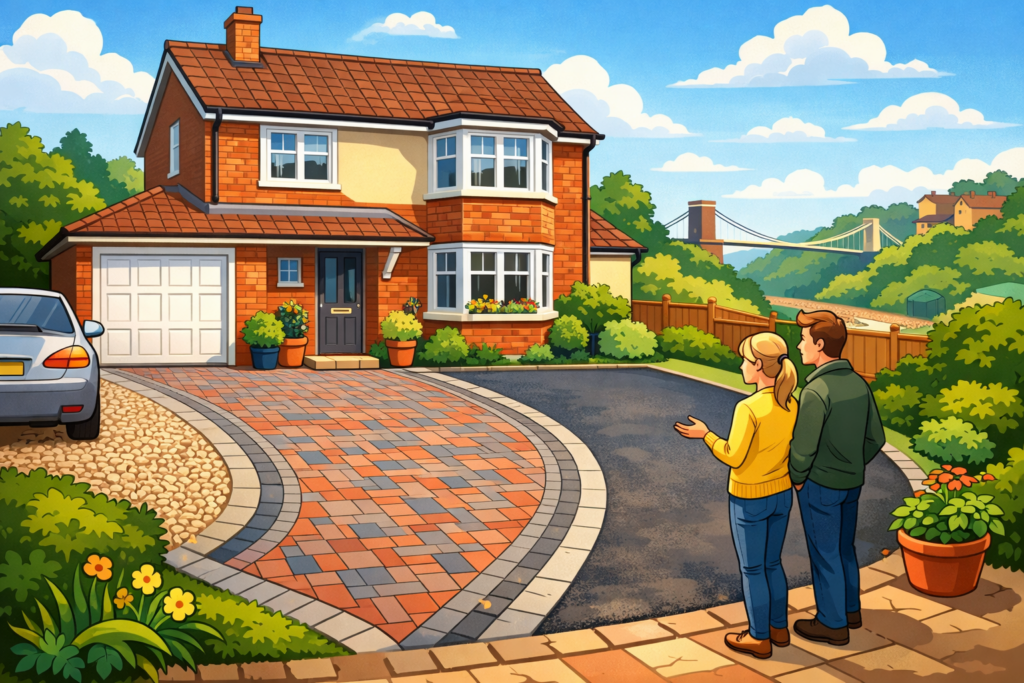
By contrast, on a steep, exposed or heavily trafficked drive, another surface may be more suitable. If you are weighing different hard landscaping options, the broader decision-making process described in is a new driveway right for your home can help frame the trade-offs more clearly.
Advantages of choosing wood
One of the biggest advantages of wood is its appearance. Timber brings warmth and a tactile quality that can make the frontage feel more inviting and less cold than concrete or tarmac.
It can also support a more designed look. Used carefully, wood can make the driveway feel like part of the overall garden scheme rather than a purely functional parking space.
Other potential advantages include:
- A natural appearance that suits green surroundings
- The ability to create a bespoke or handcrafted feel
- Good visual pairing with gravel, planting and stone
- A softer aesthetic for heritage or rural properties
Some homeowners also appreciate the environmental angle, although that depends heavily on sourcing, treatment and lifespan. A short-lived timber installation is rarely a sustainable choice in practice, so durability should always come before marketing claims.
The limitations you need to accept
Timber is more demanding than many other driveway materials. It needs periodic inspection, cleaning and maintenance to remain attractive and safe.
Weather is the biggest challenge. Repeated wetting and drying can cause movement, fading, splitting or surface wear, while shaded areas may encourage algae and moss growth.
There is also the question of cost. Although the material itself may seem straightforward, a properly built timber driveway can require specialist detailing, robust substructure work and ongoing upkeep, all of which affect the overall budget.
Replacement cycles matter too. If the timber is expected to last far longer than it realistically can, the long-term cost may be less favourable than a surface that needs less attention.
Maintenance expectations before you commit
A wood driveway should be viewed as a living part of the property, not a fit-and-forget surface. That means regular cleaning, inspection and occasional treatment are part of ownership.
Leaves, mud and organic debris should not be left to accumulate, because trapped moisture shortens the lifespan of timber. In autumn and winter, this becomes especially important.
Depending on the product used, you may also need to reseal or treat the wood at intervals to maintain water resistance and appearance. If you prefer a driveway that demands very little routine care, timber may not be the best match.
Be honest about your habits. A beautiful material becomes a frustration if you do not have the time or inclination to maintain it properly.
Design details that make or break the result
Many timber driveway problems are caused not by the material itself, but by poor design. The sub-base, edging, drainage and transitions to other surfaces all need careful planning.
A well-prepared foundation is essential if the driveway is expected to stay level and stable. Without it, boards or timber elements can move, which quickly leads to an uneven surface.
Drainage should never be an afterthought. Water needs somewhere to go, particularly at the edges, beside walls and near thresholds. Standing water is one of the fastest ways to shorten timber’s lifespan.
Edging is another detail that deserves attention. It helps keep the structure neat, supports the boundary of the surface and stops adjacent materials from creeping into the drive.
When wood may not be the right choice
There are situations where a timber driveway is simply not the most practical option. If your home experiences frequent vehicle movements, regular commercial deliveries or repeated turning in one spot, a tougher surface may be more sensible.
Exposed properties can also be problematic. Constant rain, shade and limited airflow create a difficult environment for wood, even when it has been treated well.
If long-term simplicity is your priority, materials such as block paving, resin-bound surfacing or brick may be easier to live with. For example, homeowners comparing material character and durability often find it useful to look at are driveway bricks a good choice for your home before making a decision.
Wood is also less suitable if you want the lowest possible maintenance burden. In that case, appearance may not justify the extra care required.
How to assess whether your home suits timber
Start by looking at the property itself. Does the architecture support a natural, textured surface, or would timber feel out of place against the house and frontage?
Then consider the practical conditions. Is the driveway sheltered or exposed? Is the ground well drained? Will the surface need to carry one family car or multiple vehicles each day?
Use your routine as a test. If you already struggle to keep soft landscaping tidy or outside areas clean, a timber driveway may feel more demanding than rewarding.
It also helps to think about the wider front garden. Timber tends to look best when the surrounding planting, edging and boundary treatments are equally well considered.
Common mistakes to avoid
One frequent mistake is assuming that all wood is suitable for vehicle use. Decorative timber products and structural timber systems are not interchangeable, and the wrong choice can fail quickly under load.
Another common issue is underestimating maintenance. A driveway may look excellent on installation day, but that is only the beginning of its life.
Poor drainage is a costly error. If water sits against the surface or beneath it, the material can deteriorate far faster than expected.
It is also worth avoiding the temptation to prioritise appearance over specification. A timber surface that looks beautiful but is badly engineered will not remain attractive for long.
Alternatives worth considering
If you like the natural feel of wood but are unsure about the upkeep, there are alternatives that can achieve a similar atmosphere with less risk. Gravel, for example, can feel informal and sympathetic to the landscape while offering easier maintenance and drainage benefits.
Brick or block paving can also provide warmth and texture, especially when you choose tones that echo timber or natural stone. Resin-bound surfacing may suit homeowners who want a neat, low-maintenance finish with good permeability.
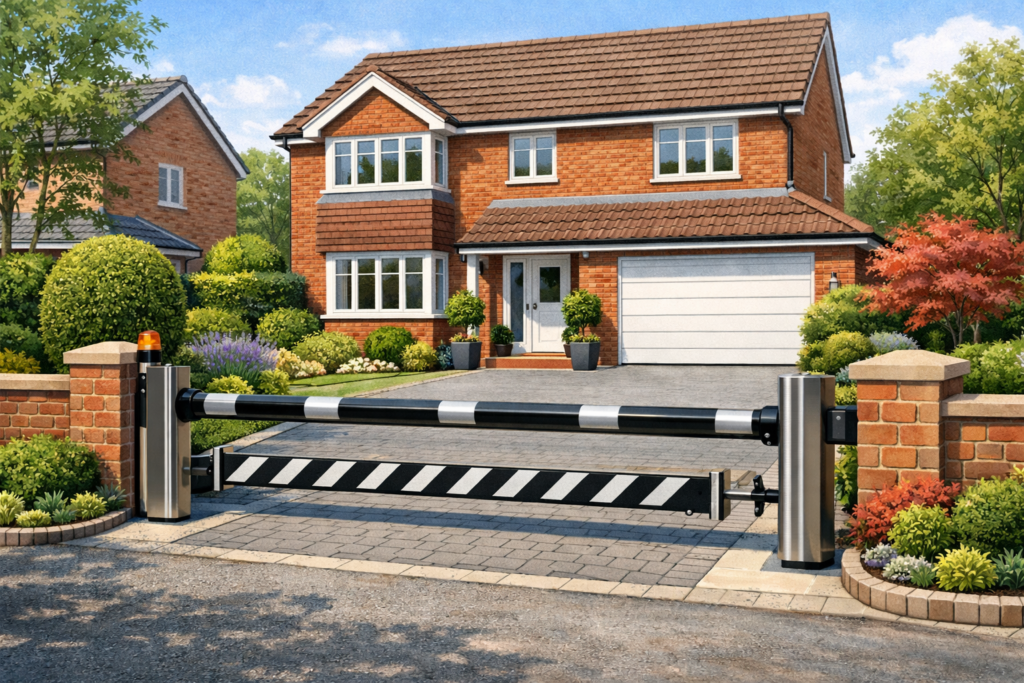
For properties where access control or security matters as much as appearance, it may also be worth considering how the driveway works alongside boundaries and entrances, as discussed in are driveway barriers a good choice for your home.
The right alternative is the one that meets your practical needs without losing the look you want.
What to ask before you go ahead
Before committing to a wood driveway, ask how the material will be protected from water, how it will be supported underneath and how often it will need maintenance. Those three questions often reveal whether the project is realistic or merely appealing in principle.
You should also ask how the driveway will age. Some timber develops an attractive silvered finish, while other products may fade unevenly or stain if not cared for properly.
If you are speaking to a specialist, ask for examples of similar installations and be clear about your expectations for longevity, appearance and upkeep. The more specific your brief, the better the result is likely to be.
What We Get Asked…
Can a wood driveway handle cars safely?
It can, but only if the system is designed for vehicle loading and installed with the correct sub-base, fixings and drainage. Ordinary timber decking is not the same thing as a driveway surface.
Does a timber driveway need a lot of maintenance?
Usually, yes. Expect cleaning, inspection and periodic treatment to form part of normal ownership, especially in damp or shaded areas.
Will wood become slippery when wet?
It can, particularly if algae or moss build up. Good detailing, suitable finishes and regular cleaning help, but slip resistance should be considered carefully from the start.
Is wood more expensive than other driveway materials?
It can be, especially once specialist installation and ongoing maintenance are included. The real cost depends on the product, site conditions and expected lifespan.
What is the best type of home for a wood driveway?
Timber is often best for character properties, sheltered settings and homes where visual impact matters more than minimal upkeep. It is less suitable for high-traffic or heavily exposed sites.
Our Final Thoughts
A wood driveway can be a distinctive and attractive choice, but it suits some homes far better than others. If you value natural character, are happy to maintain the surface and have a site that supports timber’s needs, it can create a beautiful entrance with real personality.
If you want something low-maintenance, highly durable and less sensitive to weather, another material may be more sensible. The best decision is the one that balances style, performance and long-term practicality rather than chasing appearance alone.
If you are still weighing up your options, compare timber with other driveway materials and think carefully about how your home is used. A well-chosen surface will serve your property for years, whereas the wrong one will quickly become expensive to live with.