
Manchester homes face a particular set of demands at the front of the property. Heavy rain, frequent use, limited space in some neighbourhoods, and the need for a tidy, practical entrance all influence whether a new driveway is a smart investment.
The right driveway can improve parking, reduce mess at the front door, and make day-to-day life easier. The wrong one can lead to puddles, cracking, maintenance headaches, or a finish that looks out of place on the street.
If you are weighing up a driveway Manchester installation, the key is not simply whether you like the look. It is whether the surface, drainage, layout, and long-term upkeep genuinely suit your home, your routine, and your budget.
Manchester properties vary widely, from terraces with compact front areas to larger detached homes with generous access. That means there is no single best answer, but there are clear signs that a driveway could be a good fit, along with situations where you may need to think more carefully before starting work.
Why a driveway can make sense in Manchester
For many homeowners, the biggest benefit is practicality. A driveway gives you a dedicated place to park, which can be especially valuable where on-street parking is tight or unpredictable.
Manchester weather also plays a major role. A well-designed driveway helps manage rainwater, keeps mud off shoes, and reduces the amount of grime tracked into the house.
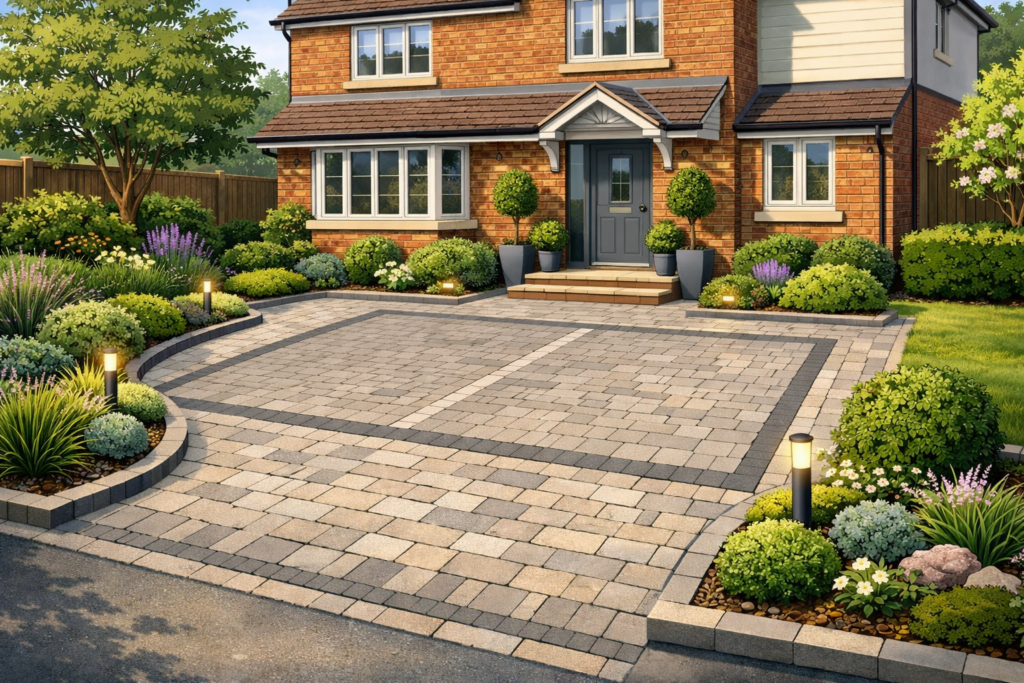
There is also the question of kerb appeal. A neat, well-finished entrance can make a home look more cared for, which matters whether you are planning to stay long term or may sell in the future.
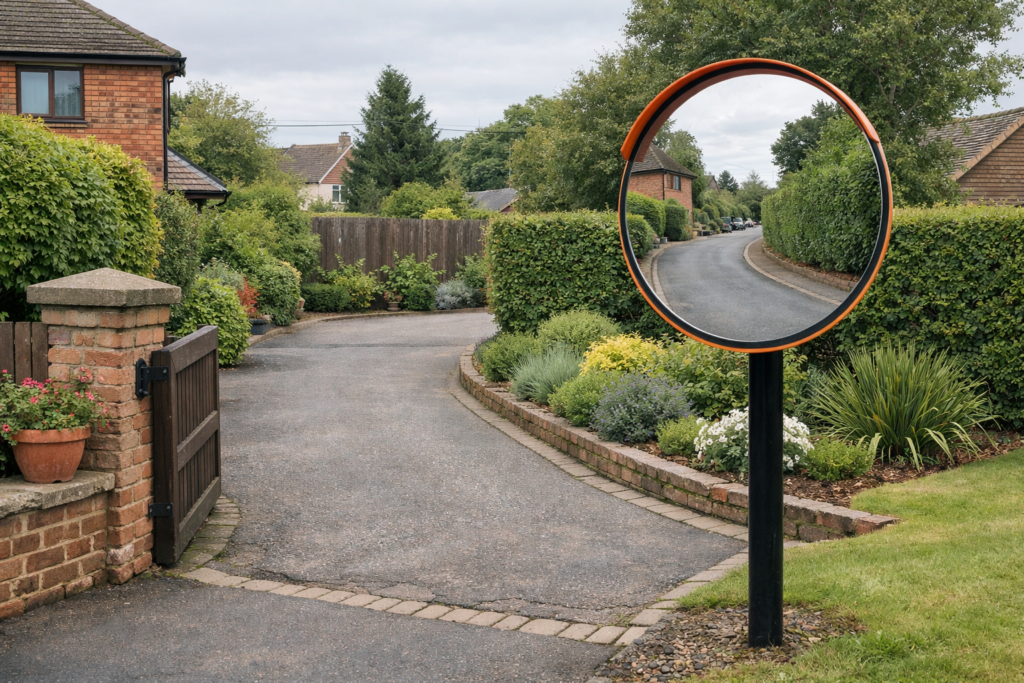
In the right setting, a driveway can also support safer access. That is useful for families with children, older residents, or anyone who wants a clearer, more organised front entrance.
What makes a Manchester property suitable
Some homes are naturally better suited to a driveway than others. Space, access, slope, and the condition of the front garden all influence how successful the finished result will be.
If your front area has enough width for a vehicle to park without blocking the pavement or awkwardly clipping walls, you are already in a stronger position. Homes with straightforward access from the road are generally easier and more cost-effective to convert.
Ground conditions matter too. Older properties can have soft or uneven sub-base layers, while some plots sit on clay-heavy soil that needs careful preparation to avoid movement and drainage problems.
Signs your home may be a good candidate include:
- adequate space for safe vehicle access
- a front area that can be excavated and prepared properly
- a layout that allows water to drain away effectively
- a driveway surface that will complement the property style
- a realistic maintenance plan for the years ahead
If you are unsure about the suitability of your plot, it is worth getting professional advice before committing. A good installer will assess not just the appearance of the area, but also the ground structure and drainage requirements.
Surface choices that work well locally
Choosing the right surface is just as important as choosing to install a driveway in the first place. In Manchester, the best options usually combine durability, good drainage, and manageable maintenance.
Tarmac is often a practical option for busy homes. It is neat, hard-wearing, and well suited to frequent vehicle use, which is why many homeowners explore whether a tarmac driveway fits their needs.
Resin can be a strong contender if you want a smarter decorative finish with a smoother look. It can work well when installed on a properly prepared base and is often chosen for its contemporary appearance, as discussed in whether a resin driveway suits your home.
Concrete offers strength and a clean, functional surface, especially where longevity and low movement are priorities. It is worth considering if you need a robust solution and are comparing it with a concrete driveway for your property.
Gravel can suit some homes, particularly where you want a softer look or lower upfront cost. However, it is not always ideal for steep drives, limited mobility, or high-traffic entrances, so it is sensible to weigh up whether a gravel driveway is suitable.
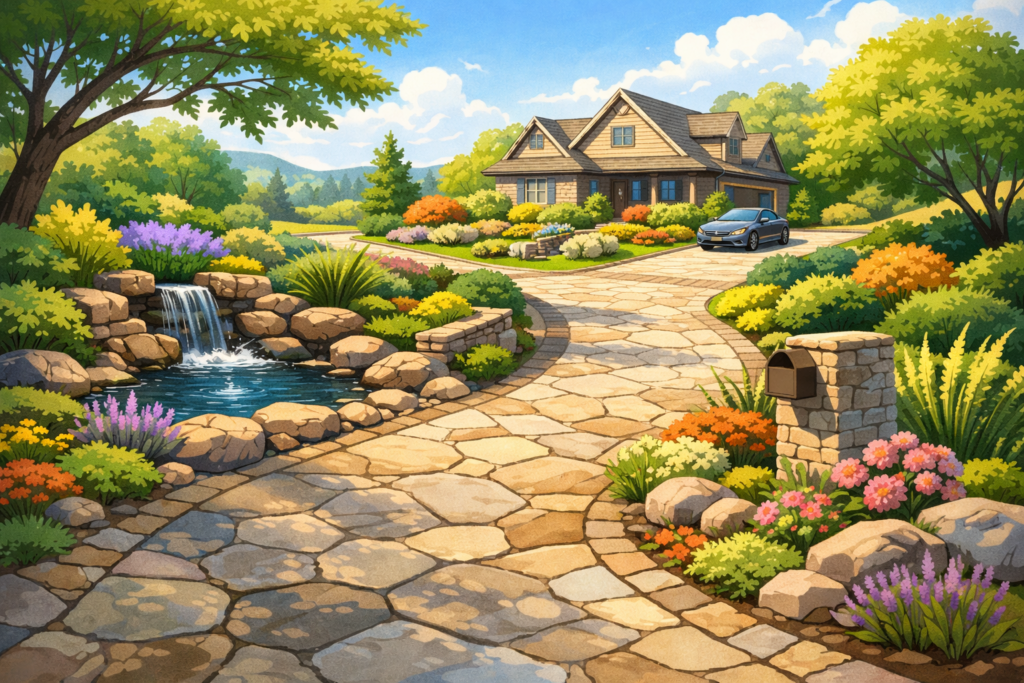
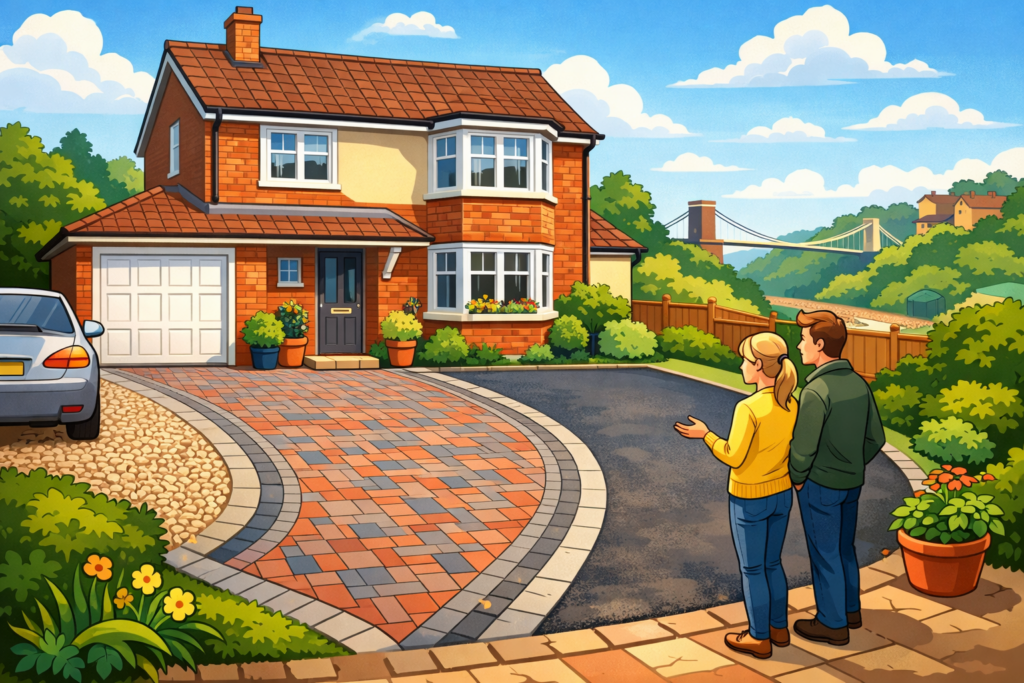
Paving provides a decorative and versatile finish, but it needs proper installation to avoid sinking or weed issues. If you like patterned or block-style finishes, consider whether driveway paving matches your home.
Drainage should never be an afterthought
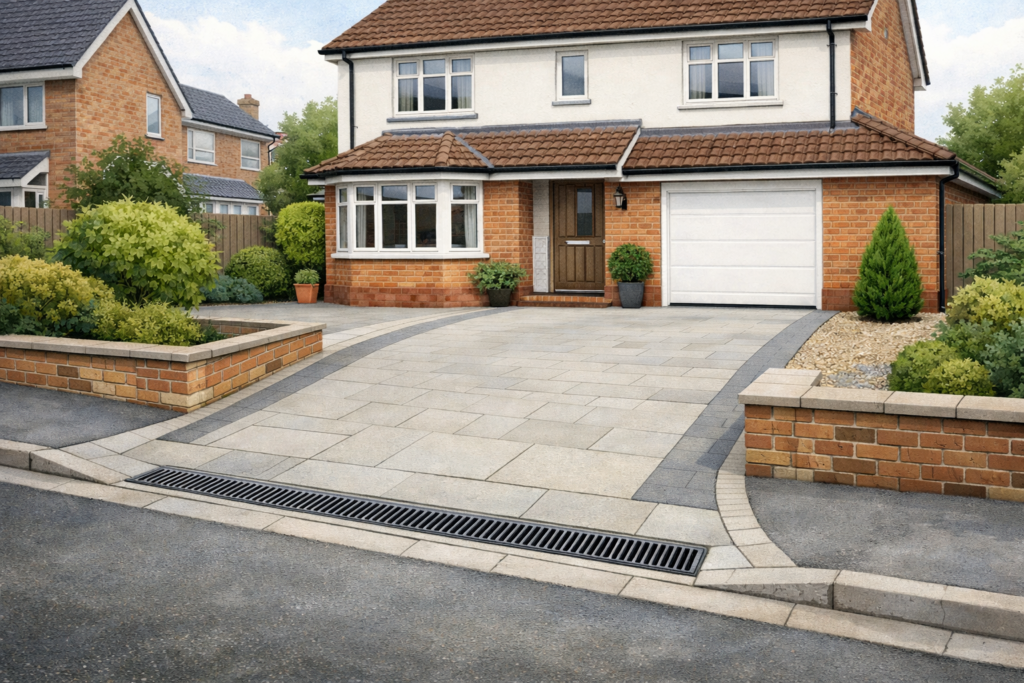
Manchester’s rainfall means drainage is one of the most important parts of any driveway project. A surface that looks good but holds water will quickly become inconvenient and may cause longer-term damage.
Proper drainage helps reduce pooling, protects the surface structure, and lowers the chance of water being directed towards the house or neighbouring properties. This is particularly important on sloped plots, clay soils, or driveways that sit close to walls and thresholds.
Many homeowners focus on the visible finish, but the sub-base and drainage layers often determine how well the driveway performs over time. If water cannot move through or away from the area, even a high-quality surface can struggle.
Good drainage planning may include:
- permeable materials where appropriate
- careful falls and gradients
- channels or soakaways
- edge restraint to keep the surface stable
- correct levels at the entrance and threshold
If you are thinking about parking on the drive every day, drainage becomes even more important. A driveway that doubles as parking should be planned as part of the wider driveway parking planning process, not treated as a simple cosmetic upgrade.
Practical benefits beyond appearance
A driveway can do more than improve the front of the house. The right design can make your daily routine smoother and reduce small frustrations that build up over time.
For example, having a dedicated parking space may save time when coming home late or leaving early. It can also reduce the stress of searching for a street space, especially in busier parts of the city.
There may also be benefits for households with more than one vehicle. A well-planned layout helps avoid awkward manoeuvres and makes it easier for everyone to come and go.
Other everyday advantages may include:
- less mud carried into the house
- better access for deliveries or visitors
- clearer routes for bins, bikes, and prams
- an improved sense of order at the front of the property
These practical gains often matter more than the initial visual improvement. A driveway is used every day, so it should feel comfortable, durable, and easy to live with.
When a driveway may not be the best choice
Not every property benefits equally from a new driveway. Some homes have front areas that are too small, too awkwardly shaped, or too constrained by planning rules to make the project worthwhile.
Terraced houses, in particular, can be challenging if the frontage is narrow or if the pavement access would be difficult to manage. In those cases, the cost and disruption may outweigh the benefits unless the design has been carefully thought through.
There may also be planning or practical restrictions to consider. Dropping a kerb, altering the frontage, or working near existing drainage may require permissions or specialist input.
It may be worth pausing if:
- the front garden is too small for safe parking
- the ground is likely to need major reconstruction
- drainage options are limited
- the style of the house would be poorly matched by a hardstanding finish
- the likely maintenance does not suit your lifestyle
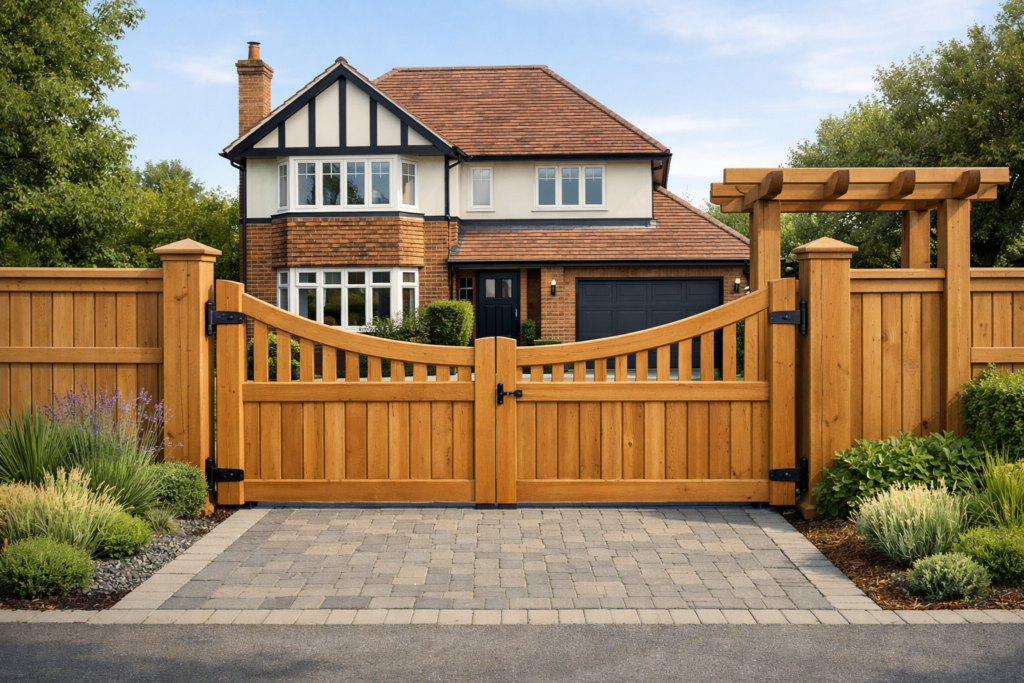
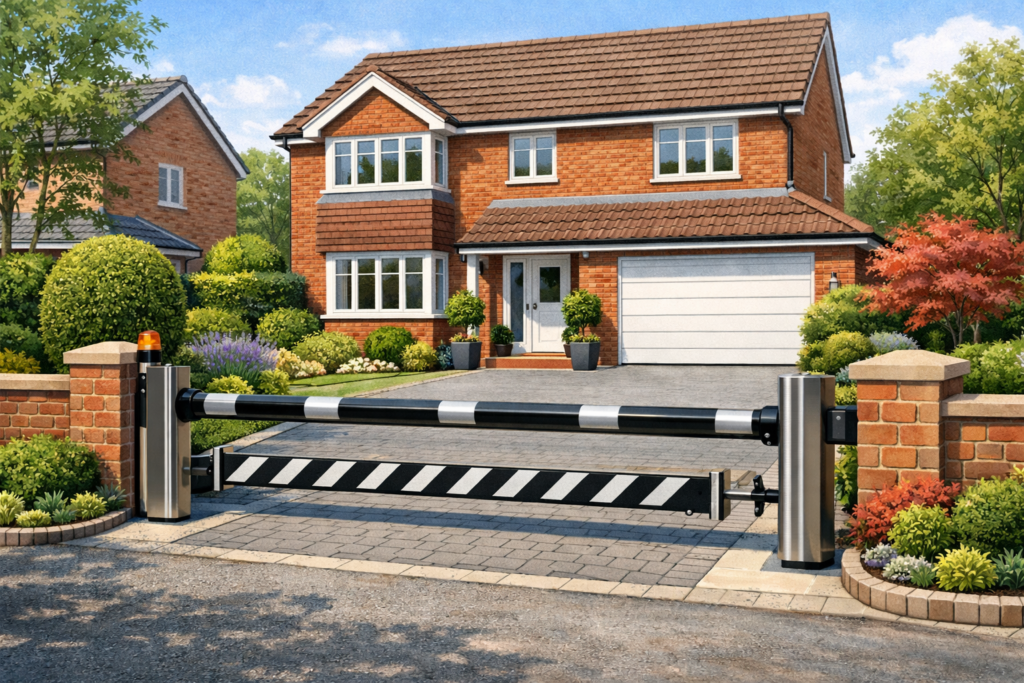
In some cases, a different improvement may be better value. For example, if the main issue is security or privacy rather than parking, driveway gates or lighting may offer a more targeted solution than a full surface replacement.
Common mistakes to avoid
One of the most common mistakes is choosing a driveway surface based on appearance alone. A finish that looks smart in a showroom may not perform well on a sloping or weather-exposed Manchester frontage.
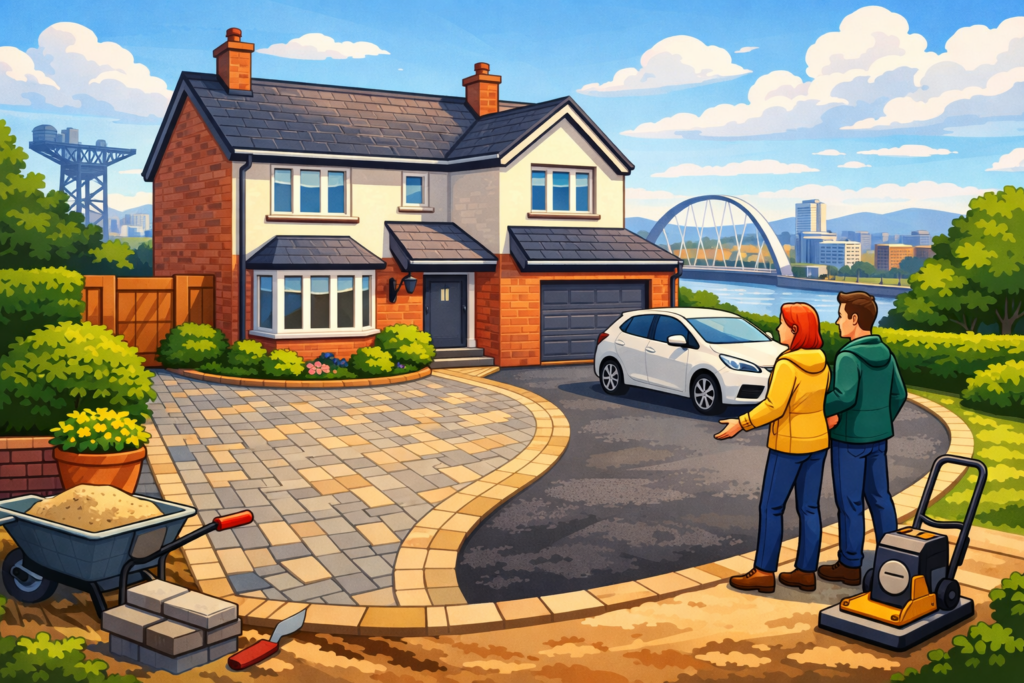
Another issue is underestimating preparation work. A driveway is only as good as the base beneath it, and cutting corners there often leads to sinking, cracking, or loose edges later.
Drainage errors are also common. If water has nowhere to go, it can sit on the surface, run towards the property, or cause ongoing moss and algae problems.
Other mistakes to watch for include:
- ignoring access width and turning space
- forgetting about bins, bikes, or pedestrian routes
- choosing a finish that is hard to maintain
- failing to match the driveway to the property style
- not checking whether specialist works are needed beforehand
These mistakes can be avoided with careful planning and a realistic assessment of how the driveway will be used. That usually saves money and disruption in the long run.
How to choose the right contractor
Even the best driveway material will underperform if the installation is poor. Choosing an experienced contractor is essential, particularly where drainage, gradients, and ground preparation are involved.
Look for someone who is willing to inspect the site properly and explain the process in plain language. They should be able to discuss base preparation, edging, drainage, and surface suitability without rushing the conversation.
It is also sensible to compare more than one quote, but avoid making price the only factor. The cheapest option can end up costing more if the work needs redoing or starts failing early.
If you are still at the stage of deciding who should handle the project, it may help to explore whether a contractor driveway approach suits your home. The right contractor should add clarity, not confusion.
Thinking about style and kerb appeal
Function comes first, but style still matters. A driveway should feel like part of the property rather than an afterthought pasted onto the front garden.
The colour, texture, and layout of the surface should complement the brickwork, windows, and boundary treatments. On a traditional Manchester property, a more understated finish can often look better than a highly decorative one.
On a more modern home, cleaner lines and subtle detailing may be the right choice. If you are also considering borders, edging, or decorative details, these should support the overall design rather than compete with it.
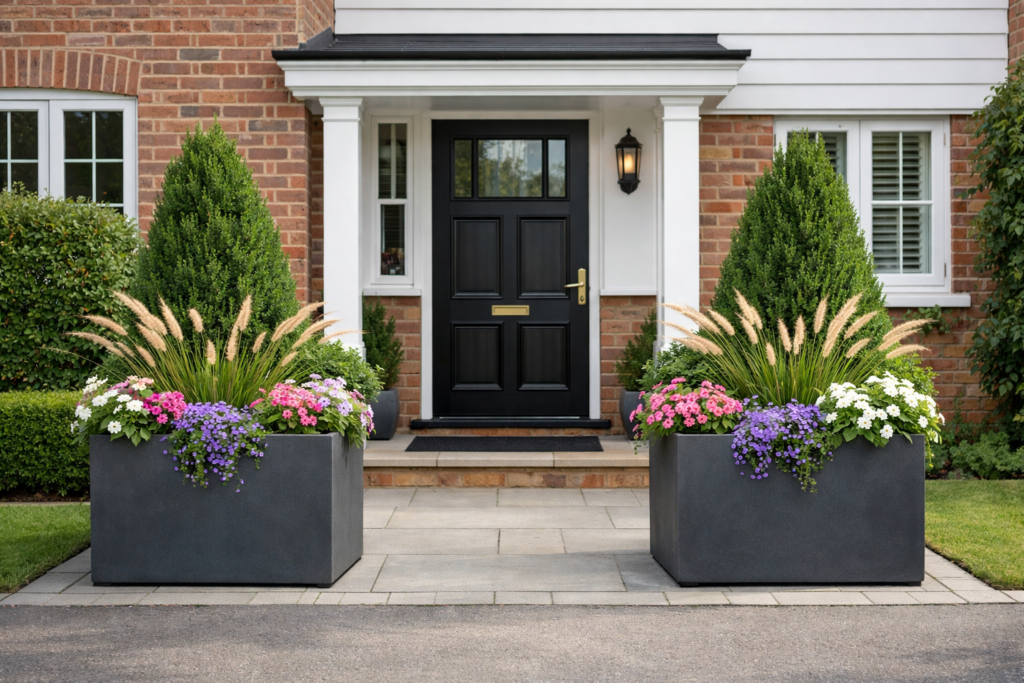
It is worth thinking about the front garden as a whole. Sometimes a modest driveway combined with planting, lighting, or gates creates a better result than a very large hard surface with no visual balance.
Signs the investment could pay off
A driveway tends to make the most sense when it solves a real daily problem. If parking is difficult, access is awkward, or the front of the house is regularly messy, the improvement may be worthwhile.
There can also be indirect value. A neat, well-built driveway often helps a home feel better maintained, which can matter if you ever decide to sell.
That said, value is not guaranteed simply because a driveway has been added. The result needs to be appropriate for the property and properly installed if it is to make a positive impression.
It is usually a stronger investment when:
- the driveway solves a daily parking issue
- the property and surface are well matched
- drainage and ground preparation are handled properly
- maintenance needs are realistic for your household
What We Get Asked…
Do I need planning permission for a driveway in Manchester?
Not always, but it depends on the size of the area, drainage design, and whether you are altering access to the road. It is worth checking local requirements before work begins.
Which driveway surface is best for wet weather?
That depends on the plot, but surfaces with proper drainage design usually perform better than those chosen purely for looks. The base and levels matter just as much as the visible finish.
Will a driveway reduce maintenance at the front of my home?
Often yes, especially if it replaces lawn or soft ground that gets muddy in rain. However, some surfaces still need cleaning, weed control, or occasional repair.
Is a driveway worth it for a smaller property?
It can be, provided the layout is practical and does not make the frontage feel cramped. The key is balancing parking needs with access and appearance.
How do I avoid choosing the wrong driveway?
Start with how the space is used, then consider drainage, ground conditions, and maintenance. A professional assessment will usually make the best option much clearer.
Our Final Thoughts
A driveway Manchester project can be a very sensible choice, but only when it suits the property and is properly planned. The best results come from matching the surface to the space, the drainage to the climate, and the design to how you actually live.
If your current front area causes parking stress, mud, poor access, or an untidy appearance, a driveway may offer a clear improvement. If the space is tight or the ground conditions are complex, it is even more important to get advice before moving ahead.
Take time to compare materials, assess drainage, and think about long-term upkeep rather than focusing only on the initial look. If you are ready to explore your options, speak to a trusted specialist who understands local conditions and can help you choose the most suitable solution for your home.